
Endometriosis – abdominal pain and other symptoms, pregnancy, treatment
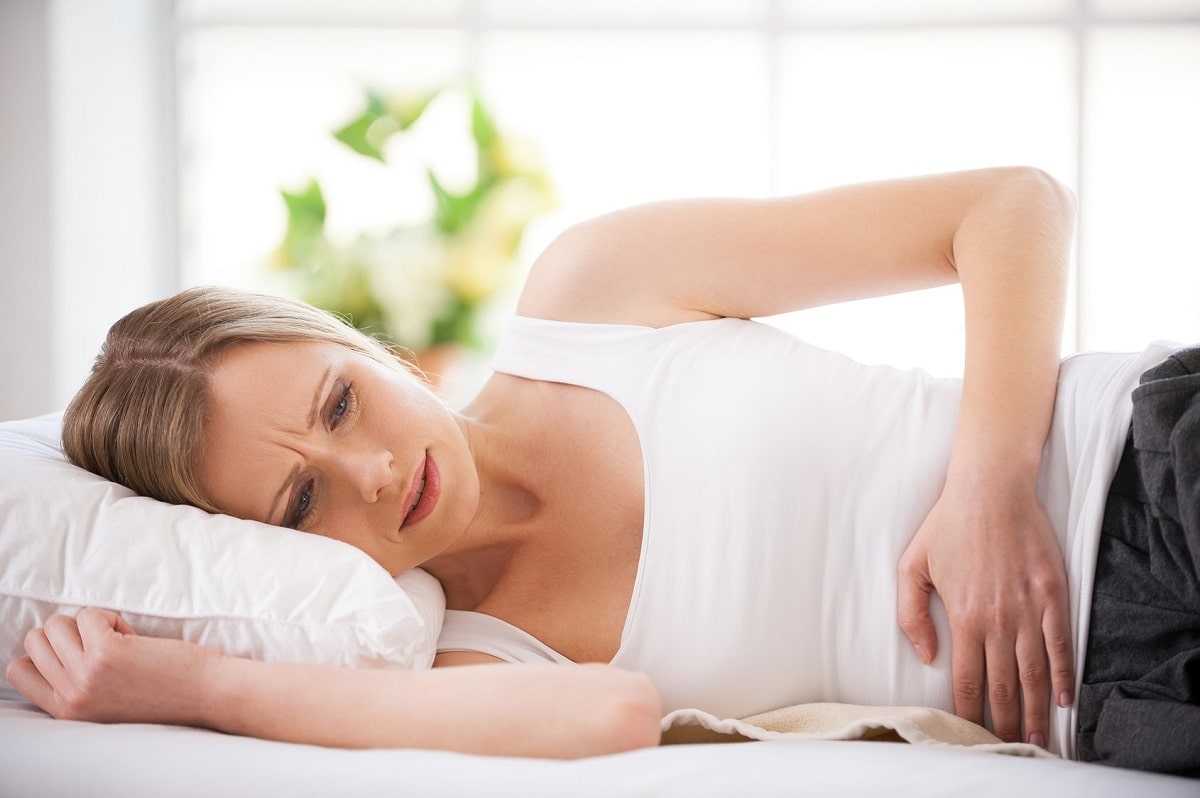
Endometriosis affects up to 15% of women, primarily during their reproductive years, but also younger women and those who have gone through menopause. It manifests as varying degrees of abdominal pain, often associated with menstruation. Menstrual bleeding is very painful and heavy. Spotting occurs between periods and after intercourse. Patients often experience back pain, bowel dysfunction, and painful urination, and complain of pain during intercourse.
Unfortunately, diagnosing this condition is challenging, as similar pain symptoms also occur with other conditions. I often encounter patients with endometriosis who are incorrectly treated for spinal conditions, irritable bowel syndrome, or urinary tract infections, says gynecologist in LublinDr. Dariusz Swatowski, a. "The lack of treatment results leads to frustration and even depression. Painful intercourse disrupts marital life."
We're hearing about endometriosis more and more often. What exactly is it, and what symptoms should cause concern?
Endometriosis is the presence of tissue similar to the lining of the uterine cavity, but located outside it. Ovarian hormones stimulate this tissue to grow and shed, similarly to the uterine cavity. Therefore, small menstrual bleeding occurs at the site of endometriosis, irritating pain receptors. As the disease progresses, more and more endometrial tissue is present, leading to increased symptoms.
When located in the ovaries, cysts containing dark blood, called "chocolate cysts," can develop, which destroy the structure of the ovaries. Endometriosis also causes adhesions to form, which can lead to occlusion of the fallopian tubes and result in infertility.
There are many symptoms. Is endometriosis really that difficult to diagnose?
A medical history is crucial to diagnosing endometriosis. A history developed by the Endometriosis Section of the Polish Society of Gynecologists and Obstetricians can be helpful. The following information is essential:
- periodic pain that turns into continuous pain
- painful menstruation
- pain during intercourse
- painful urination or stool
- age at which menarche occurred
- length of menstrual bleeding
- number of births
- number of multiple pregnancies
- length of breastfeeding
- diagnosed hyperestrogenism, i.e. excess estrogens – female sex hormones – estrone, estradiol, estriol and estetrol
A gynecological examination during menstruation increases the chance of finding foci of deeply infiltrating endometriosis.
Currently, there is no simple, non-invasive test that can definitively diagnose endometriosis. Many centers around the world are searching for sensitive markers of the disease, but finding them proves to be challenging, as each woman is unique and experiences different illnesses and ailments.
Diagnosis is possible after a gynecological examination, supplemented by ultrasound or magnetic resonance imaging , explains Dr. Swatowski. The "gold standard" in diagnostics is laparoscopy for diagnosis and simultaneous treatment by excising endometriosis lesions, removing adhesions, and restoring normal anatomical conditions.
We now know that surgical intervention may be necessary to treat endometriosis. So how is endometriosis treated?
Hormonal medications, anti-inflammatory medications, and painkillers are used in the treatment of endometriosis. The type of therapy is tailored to the stage of the disease and the patient's reproductive plans. In my opinion, says Dr. Dariusz Swatowski, after ruling out other causes of pain, treatment with contraceptive pills should be initiated, administered cyclically or continuously. An improvement in symptoms confirms the presence of endometriosis.
In summary, delaying the diagnosis of endometriosis leads to its further progression, resulting in increased pain and even reduced fertility. Therefore, prompt diagnosis and treatment of this disease are essential.
Thank you for the interview.
Frequently asked questions – FAQ
What is endometriosis?
Endometriosis is a disease in which tissue similar to the lining of the uterus occurs outside the uterine cavity, e.g. in the ovaries, fallopian tubes, peritoneum, or other pelvic organs.
What are the symptoms of endometriosis?
Symptoms of endometriosis may include severe menstrual cramps, chronic lower abdominal pain, pain during intercourse, painful bowel movements, difficulty urinating, heavy periods, and difficulty getting pregnant.
Can painful periods mean endometriosis?
Yes, very painful periods can be one of the symptoms of endometriosis, especially if the pain interferes with daily functioning, requires frequent use of painkillers, or worsens over time.
Does endometriosis affect fertility?
Endometriosis can make it difficult to get pregnant, including through inflammation, adhesions, endometrial cysts, and ovarian or fallopian tube dysfunction. However, this does not mean that every woman with endometriosis will have fertility problems.
How is endometriosis diagnosed?
Endometriosis diagnosis includes a medical history, a gynecological examination, and imaging tests such as ultrasound. In some cases, additional tests or laparoscopy may be necessary.
Can endometriosis be cured?
Endometriosis is a chronic disease, but appropriate treatment can alleviate symptoms, improve quality of life, and support reproductive plans. Treatment is tailored to the individual's needs.
How is endometriosis treated?
Endometriosis treatment may include pain medication, hormonal therapy, and surgery. The choice of treatment depends on the patient's age, the severity of symptoms, the location of the lesions, and pregnancy plans.
When should you see a gynecologist?
It is worth seeing a gynecologist if you experience severe menstrual pain, chronic lower abdominal pain, pain during intercourse, heavy periods, problems getting pregnant or other symptoms suggesting endometriosis.