
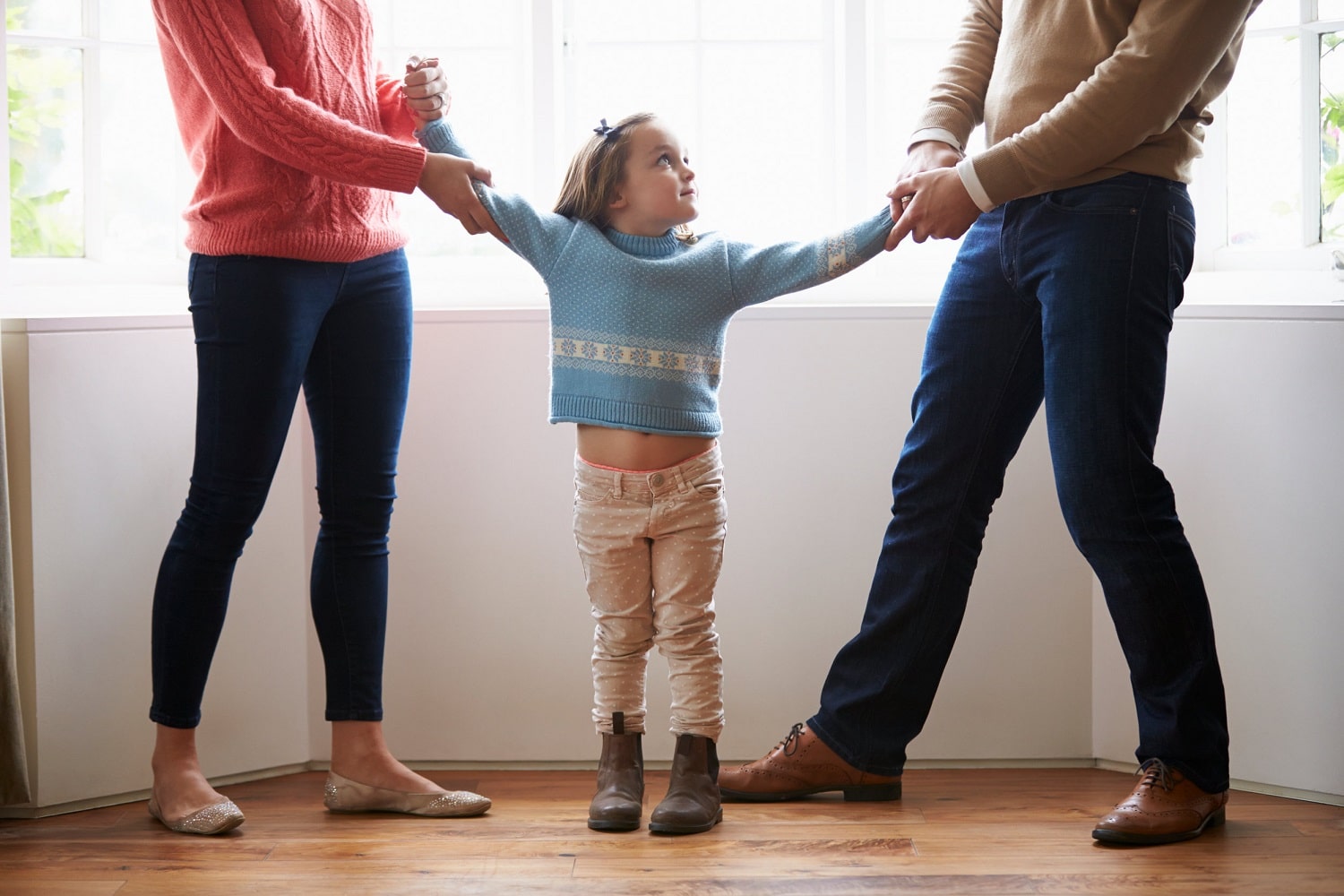
How to prepare a child for their parents' divorce
How to prepare a child for their parents' divorce? Divorce, separation, or one parent moving out is an extremely difficult experience, not only for the two adults. It's traumatic, especially for the child. Couples rarely separate without conflict, in a peaceful atmosphere with acceptance from all parties. This is no surprise, as extreme emotions influence effective reactions, but not necessarily rationalization. So, is it possible to minimize losses and prepare a child for divorce?
As you can probably imagine, this is very difficult. Why? Because when you're in the midst of a world that was supposed to last, falling apart, it's natural to look for someone to blame. You want to punish those you believe contributed to this catastrophe. After all, nothing has a more punitive effect on a partner than playing with the only remaining shared asset—a child…
It doesn't matter who is the victim and who is the culprit
The game usually has only one purpose: to inflict pain. The self-perpetuating spiral of mutual accusations and hatred during a parents' divorce draws the child in. It leaves them with a severely scarred psyche and a trauma that will never heal. So should you force yourself to save your relationship for the sake of your child? No! There are situations in which the only good solution, conducive to a child's development, is the separation of their parents (e.g., in abusive families). However, it's worth asking yourself what to do to separate with the least possible loss of your family's psychological resources.
How to prepare for a divorce?
First, before you decide to divorce, try to control your emotions and analyze your relationship calmly. Before leaving, consider whether this is your final decision; don't make it suddenly or hastily. Second, familiarize yourself with the law. Seek legal advice and learn about your parental rights and responsibilities. Third, take care of the most pressing matters.
No matter how cold it sounds, it's better to plan everything than to leave abruptly. Give your child a chance to adjust to the situation. Prepare them for divorce. Few things are worse for a child than waking up in the morning and finding out their dad (or mom) is gone. And all their belongings are gone. Your child needs to know what's happening as much as they can at their age. Infants don't understand the situation, but two-, three-, and preschoolers already understand that one parent isn't living with them. They just don't understand why. Older children understand what divorce is, but they may be more likely to show disapproval or blame themselves for the family breakdown. Therefore, both of you should explain to your child what's happening in your relationship.
Although this moment is difficult, it often helps the child accept the situation because of the parents' unity. It's important to communicate in a non-blaming manner, and especially not to make children feel guilty. Try to use "we" to emphasize the community you still represent to the child.
Negative emotions during divorce
During a divorce, situations will often arise that exceed your adaptive capacity. You'll often lose your temper and express your anger or despair. This isn't good for anyone, but you certainly won't avoid difficult moments and negative emotions. When you're struggling, try not to show your child your fear, helplessness, or anger, especially when you know that once the emotions subside, your child will be left with them, unsure how to cope.
If you do or say too much, explain to your child why it happened. Suggest how to cope. Only emotional maturity allows you to cope with difficult moments; children are still learning this, and they'll learn best from their parents. Try to avoid disputes that your child witnesses. If, despite everything, you can't reach an agreement, consider family mediation. The goal of such mediation is to reach and adopt a mutual, voluntary agreement. The sooner this agreement is reached, the fewer harsh words will be said. This way, you won't get dragged into a long and exhausting legal process, which always involves a huge waste of time, energy, and health.
Child after divorce
Divorce, and what next? Divorcing parents often involve their child in their own affairs, turning them into a spy, a messenger, or an ally in the fight against their husband or wife. This places their offspring in a specific position, opposing the other parent.
Don't ask your child who they want to live with or go on vacation with. When a child is young, they need to love and be loved by both parents and want to spend time with both. As they get older, they'll make their own decisions about whom and how much time they want to spend with. You can be sure your child will recognize which parent is manipulating them. If you see these signs, talk to your ex-husband/wife. This will prevent your child from withdrawing from both of you. Try to keep the conversation focused on one topic, one issue, and don't dwell on the past. If the matter requires further discussion, meet with your ex-partner on neutral ground without the child present.
Try to make parenting decisions together (school, activities, trips, healthcare, etc.), and ensure regular meetings with the other parent. Never speak negatively of the other parent in front of the child, nor lure the child with the possibility of returning. Don't promise something you know won't happen. What seems obvious to you must also seem obvious to the child.
What effect does divorce have on children?
Depending on their age, a child may experience their parents' separation differently. Always try to address any signs of developmental regression. If a child around the age of 3-5 begins to wet the bed, suck their thumb, or has an increased need for cuddles and refuses to be separated even for a moment, these are signs of regression. It's worth seeking psychological counseling for children in Lublin.
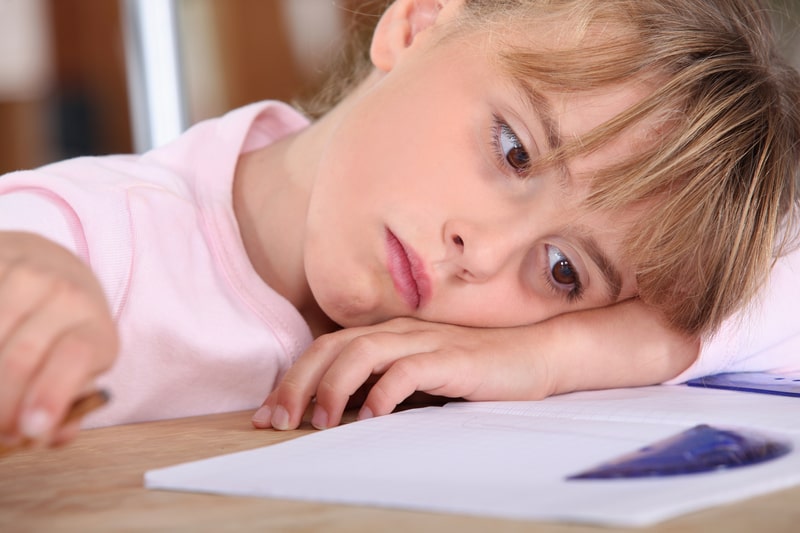
Children aged 6-12 are more likely to experience anxiety, longing, crying, and anger toward the parent they blame for the breakup. They may experience deep grief and loss. They may also behave aggressively in an attempt to release pent-up emotions. Pain of unspecified origin (headache, stomachache) may sometimes occur. Self-esteem may decline. The child loses confidence in their own abilities, which translates into lower academic achievement.
Adolescents aged 13-18 are more likely to experience emotional distress, which sometimes leads to impaired self-regulation and even self-harm. A sense of responsibility for the parent who is left alone may also arise. Adolescents may become distrustful of other people and the stability of relationships. Chronic fatigue, concentration problems, and sleep problems can develop. All of these symptoms insidiously impact functioning, leaving a lasting psychological scar. Skillful support and the re-establishment of a secure relationship can aid the child's and the parent's recovery. A sense of responsibility and awareness for yourself and your child will make it easier to accept the new situation.
Don't delay if you can't cope on your own. Seek support from psychological counseling centers and family psychotherapists.
You can also try to help your child by enrolling him or her in a child psychology clinic.
Author of the text:
Sylwia Krasowska, M.A. – psychologist
Frequently asked questions – FAQ
How to prepare a child for their parents' divorce?
It's important to calmly and clearly explain to your child what will change, using age-appropriate language. Children should know that their parents' separation isn't their fault and that they are still loved by both parents.
Should a child know about a divorce in advance?
Yes. The sudden departure of a parent can be very difficult for a child. It's best to give them time to adjust to the situation and explain what will happen in the near future.
How to talk to your child about divorce?
It's best to speak calmly, without blaming the other parent or going into detail about the conflict. Communications that emphasize that the parents still care for the child together are helpful.
What not to say to a child during a divorce?
It's not worth speaking ill of the other parent, blaming them in front of the child, making empty promises, or suggesting that the child choose sides. A child shouldn't be a messenger, a spy, or an ally for one parent.
Can a child blame themselves for their parents' divorce?
Yes, older children, especially, may find fault with themselves. Therefore, it's important to clearly emphasize that the decision to separate concerns the adult relationship and is not based on the child's behavior.
What reactions might a child experience after divorce?
The child may experience anxiety, sadness, anger, longing, a sense of loss, and difficulty sleeping or concentrating. Younger children may also experience regressive behaviors, such as bedwetting, thumb sucking, or a strong need for cuddles.
How to support a child after divorce?
Consistency, predictability, regular contact with both parents, and calm discussions about emotions are important. Parents should jointly make important decisions regarding their child and avoid arguments in their presence.
When to seek help from a psychologist?
It is worth seeking the support of a psychologist when a child experiences long-term severe anxiety, sadness, anger, becomes withdrawn, has problems with sleep, learning, behavior, or when symptoms of regression or self-aggression appear.