
Get ready for winter break 7 tips for winter
If you're planning a winter vacation to enjoy the unique atmosphere of winter sports, be sure to prepare well in advance. Mountain holidays are particularly popular, and we also enjoy trips abroad. However, this currently requires meeting the requirements described on the Ministry of Foreign Affairs website and the entry requirements for the destination country.
Whether you spend your holidays in Poland or abroad, prepare appropriately, take care of yourself and your loved ones, and make your holidays a time of rest and relaxation. If you'd like to discuss your health, medications, or any disturbing symptoms before your departure, make an appointment with a general practitioner in Lublin.
The following tips and tricks will help you!
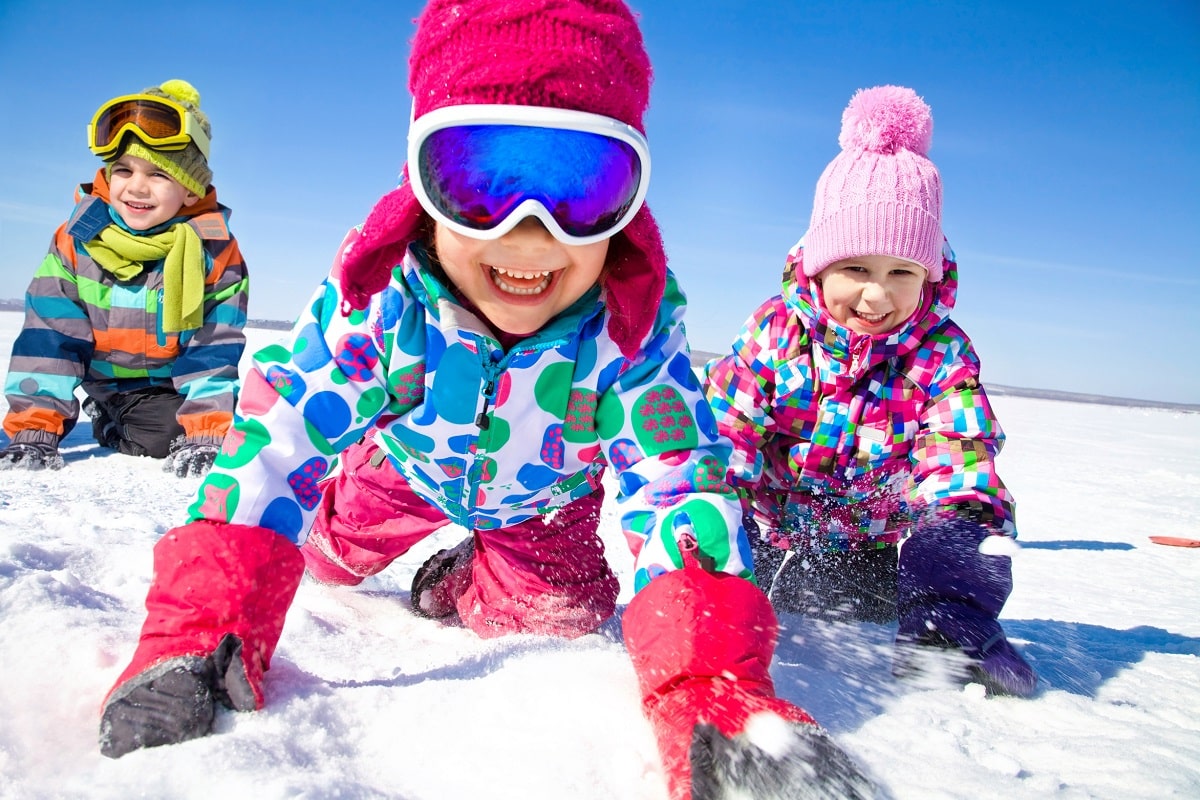
- Good travel gear is essential, especially when practicing winter sports. It should be waterproof and provide warmth and comfort. The "layering" rule works well, as it allows you to adjust your clothing layers to the conditions:
- thermal underwear,
- socks - thicker and higher than standard,
- sweatshirt – providing thermal insulation and circulation of air and water vapor, wicking moisture away from the body,
- trousers and a jacket, preferably with a membrane that will ensure waterproofness during activity,
- gloves (two pairs – outer, waterproof and the second – for insulation),
- a hat, scarf or multifunctional shawl,
- hiking boots.
When engaging in "normal" activities, don't dress too warmly. During the first few minutes of exercise, you should feel some slight thermal discomfort, which will subside after a few minutes as your heart rate increases.
2. If your child is going on a winter camping trip , make sure there will be qualified medical staff on site. Inform them about any illnesses, allergies, and medications they are taking. Place a first aid kit in your child's suitcase – painkillers, ice spray, bruise ointment, throat lozenges, and bandages.
3. Take care of your skin – exposed to wind, cold, and low temperatures in winter, it reacts with dryness and tension, and is very susceptible to irritation. Remember to moisturize it intensively and regularly. Stay hydrated and drink at least 2 liters of water daily.
Take care of:
– the delicate skin of the lips – for example, use protective lipsticks with beeswax and rich creams,
– the skin of the hands – their basic protection is primarily… gloves; also pay special attention to choosing the right hand cream, replacing delicate, moisturizing emulsions with thick, lubricating balms,
– the skin of the face – remember to gently cleanse to preserve the natural protective coating created by the so-called water-lipid barrier, avoid coarse, aggressive scrubs and irritating gels, and buy a cream suitable for your skin type,
– the skin of the whole body – it is worth switching your balm for a nourishing butter or caring oil and exfoliating the skin regularly, for example with an oil-based scrub.
4. Remember that the sun's rays affect your skin and eyes year-round, so it's important to protect yourself from their harmful effects. Apply sunscreen to exposed skin even in autumn and winter, and protect your eyes by wearing good sunglasses and a hat.
5. Be aware that heating and air conditioning can worsen skin condition. Furthermore, devices—phones, computers, printers, etc.—disrupt the air's ionic balance. This often causes skin to become rough, dull, and dry. Maintain an appropriate level of air humidity.
6. Take care of your physical fitness and that of your family. The Ministry of Health recommends that every student be physically active for at least 60 minutes every day, engaging in a variety of activities: morning exercise, walking, climbing stairs, individual and group sports, and dancing. The WHO recommends that people aged 18-64 spend at least 150 minutes a week on moderate physical activity or 75 minutes on vigorous exercise.
7. Think about acclimating your body to temperature changes. We primarily associate hardening with winter swimming, but there are other ways your body can adapt to temperature changes. The simplest method is spending time outdoors – you can walk, run, or engage in various activities. You can also exercise at home, but with the window open. It's important to remember that we need to be healthy during this time.
And finally, one important thing: Vacation is a time for rest. Don't plan on catching up on work or learning new things during these days. Rest!
Frequently asked questions – FAQ
How to prepare for winter break?
Before leaving, it's important to ensure you have appropriate clothing, a first aid kit, skin and eye protection, physical fitness, and a restful rest plan. If your trip is abroad, you should also check the current entry regulations for your destination country.
How to dress for a winter trip?
It's best to dress in layers, or "layers." Thermal underwear, warm socks, a sweatshirt, a jacket and pants with a membrane, gloves, a hat, a scarf or shawl, and appropriate hiking shoes are all good.
What to pack for a child for winter camping?
It's a good idea to prepare appropriate clothing, hygiene products, and a basic first aid kit, such as painkillers, bruise medication, throat lozenges, and bandages. Caregivers should be informed about the child's illnesses, allergies, and medications.
How to care for your skin in winter?
In winter, skin is exposed to cold, wind, and dry air, so it's important to moisturize and nourish it regularly. Lips, hands, face, and the entire body require special protection.
Is it necessary to use sunscreen in winter?
Yes. Solar radiation affects the skin year-round, even in winter. During the holidays, it's worth protecting exposed skin with sunscreen and protecting your eyes with sunglasses.
How does heating affect the skin?
Heating and air conditioning can dry out the skin, causing tightness, roughness, and a loss of comfort. Regularly moisturizing the skin and maintaining an appropriate humidity level are helpful.
How to keep fit before the holidays?
It's worth gradually increasing your daily activity, for example, through walking, calisthenics, climbing stairs, dancing, or other forms of exercise. Improved fitness can make it easier to enjoy winter activities.
What is body hardening?
Hardening involves gradually acclimating the body to temperature changes. This can involve regular outdoor activities, walking, running, or exercising with an open window, but only if we're healthy.