
Take care of your pelvic floor muscles
We often forget about the existence of these muscle groups. We don't know what they actually do or why we should exercise them regularly. The pelvic floor muscles, also known as Kegel muscles, should be in good condition. They perform many important functions not only in women. Maintaining a healthy and functional pelvic floor is crucial in everyday life.
Learn about the function of the pelvic floor and how to care for it.
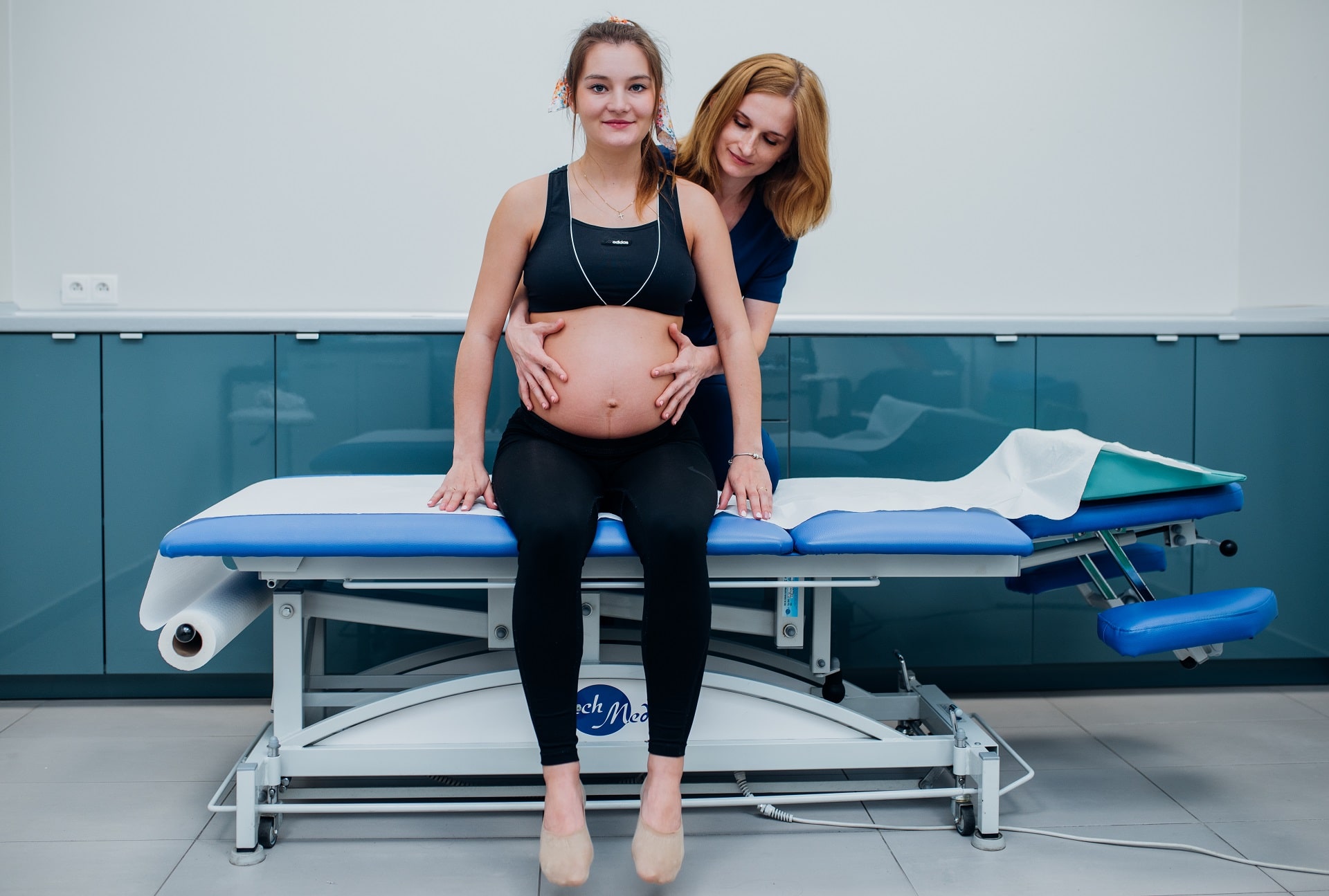
We talk to Monika Czubacka-Bryła, a physiotherapist who deals with patients with urogynecological problems, e.g. urinary incontinence, pregnant women and those who have just given birth.
Where are the pelvic floor muscles, or the so-called Kegel muscles?
It's easier to find them than to see them, so start by finding your pelvic floor. It covers the opening formed by the pelvic bones from below. Simply put, the pelvic floor muscles, or muscle fibers, are attached to four bony points: the two ischial tuberosities (where we sit), the pubic bone (the hard, perpendicular area below the navel), and the coccyx (tailbone). You can find your pelvic floor by placing your flat hand in the space defined by these points.
What are the pelvic floor muscles responsible for?
The pelvic floor muscles are responsible for supporting the pelvic organs. During sneezing, coughing, or jumping, they reduce intra-abdominal pressure, reflexively closing the urethra and anus. This is one of the mechanisms responsible for continence (holding urine, stools, and gas).
Together with other muscles they stabilize the torsoand are responsible for micturition and defecation, or bowel movements. They also influence sexual function. Well-functioning, active muscles improve the quality of intercourse and enhance sexual sensations and experiences. The ability to relax these muscles is crucial for women preparing for childbirth.
Considering the functions of the pelvic floor, we should understand how important prevention and care are to keep it fit and healthy.
What might be troubling?
Initially, disturbing symptoms can be easily overlooked. They relate to everyday difficulties, such as constipation. However, when the pelvic floor stops functioning properly, many more problems can arise. Without a doubt, the most distressing symptom is incontinence, or a partial loss of bodily control. This occurs when urine, stool, or gas escapes uncontrollably. An example is the now-common condition of urinary incontinence. Equally distressing are frequent urges to urinate, constipation, pelvic organ prolapse, painful intercourse, dissatisfaction with intercourse, and painful periods.
What are the causes of pelvic floor dysfunction?
- past childbirths,
- genetically inherited collagen quality,
- performing heavy physical work,
- inappropriate physical activity that burdens the pelvic floor,
- obesity (BMI>30),
- estrogen deficiency (poor tissue quality),
- unhealthy habits and lifestyle,
- long-lasting cough.
What to do to keep your pelvic floor healthy?
For the pelvic floor to function properly, it must maintain a balance between tension and relaxation. The first signs of pelvic floor dysfunction should not be ignored! Losing even a few drops of urine can mean that symptoms will worsen over the next few years if appropriate action is not taken.
Remember proper posture! When you're upright, your pelvic floor is relieved of pressure.
Take care of proper toilet habits
It may come as a surprise, but even activities as natural and basic as visiting the toilet can be harmful if done too often.
Here are some tips to help you correct poor toilet habits:
- Don't rush to the toilet. Too frequent toileting leads to an overactive bladder and an increased need to pee (also, avoid saying the following to children: pee before you go, rush to the toilet, or hurry up – this causes your child to strain and develop unhealthy habits).
- Don't hold your urine. Using the toilet too infrequently can overstretch your bladder.
- Do not hold your urine stream while urinating.
- During urination and defecation, avoid straining and try to relax.
- When defecating, place a small stool under your feet so that your knees are higher than your hips.
- Don't blow your nose on the toilet.
- Don't use the toilet while squatting. This position requires increased pressure, which weakens the pelvic floor muscles. Therefore, if you use a public restroom, use special pads or toilet paper.
How to take care of your pelvic floor in everyday life?
Remain upright when coughing and sneezing. If you experience leakage, you can twist your torso to the left or right. This position will keep your pelvic floor active, which should reduce uncontrolled urine leakage. You can also cross your legs to support pelvic floor muscle function.
When lifting heavy objects, keep your back straight, your knees bent, and the object being lifted as close to you as possible. This is possible if you can properly activate your pelvic floor.
Remember to stay properly hydrated and eat a healthy diet. This will help you avoid constipation, which contributes to pelvic floor muscle dysfunction.
Ensure appropriate, moderate physical activity and exercise.
Start breathing from your diaphragm – it relaxes and reduces stress, and has a beneficial effect on our organs.
Train your pelvic floor muscles to keep them strong and efficient, and to relax when needed. Perform exercises that are appropriate for you. A urogynecological physiotherapist, who specializes in all types of pelvic floor problems and in restoring proper tone in the body, especially in this area, will help you choose the right exercises.
If you notice any disturbing symptoms, you can consult a specialist during urogynecological therapy in Lublin..
Frequently asked questions – FAQ
What are pelvic floor muscles?
The pelvic floor muscles, also known as the Kegel muscles, are a group of muscles that close off the pelvis from below. They are responsible for, among other things, supporting the pelvic organs and controlling urination, bowel movements, and gas.
What are the pelvic floor muscles responsible for?
The pelvic floor muscles support the pelvic organs, help hold urine, stools and gas, stabilize the torso, participate in micturition and defecation, and influence sexual function.
What symptoms may indicate pelvic floor weakness?
The incontinence of urine, stool or gas, frequent urge to urinate, constipation, feeling of organ prolapse, painful intercourse, lack of satisfaction with intercourse and painful periods may be disturbing.
What can weaken the pelvic floor muscles?
Childbirth, heavy physical work, inappropriate physical activity, obesity, estrogen deficiency, long-term cough, unhealthy habits and genetic predisposition may contribute to the weakening of the pelvic floor muscles.
How to care for your pelvic floor muscles?
It is important to maintain proper posture, avoid constipation, maintain adequate hydration, exercise regularly, breathe from the diaphragm, and perform exercises tailored to your needs.
What toilet habits are important for the pelvic floor?
It's not a good idea to use the toilet "in a pinch," hold your urine, or try to hold back the stream of urine while urinating. Avoid straining and try to relax during urination and defecation.
Are Kegel exercises for everyone?
Pelvic floor muscle exercises should be tailored to the individual. It's important to not only be able to contract but also relax these muscles, so if you experience any discomfort, it's worth consulting a urogynecological physiotherapist.
When should you see a urogynecological physiotherapist?
It is worth seeing a urogynecological physiotherapist if you experience urinary incontinence, frequent bladder pressure, constipation, a feeling of organ prolapse, pain during intercourse, after childbirth, or if you experience other disturbing symptoms related to the pelvic floor.