
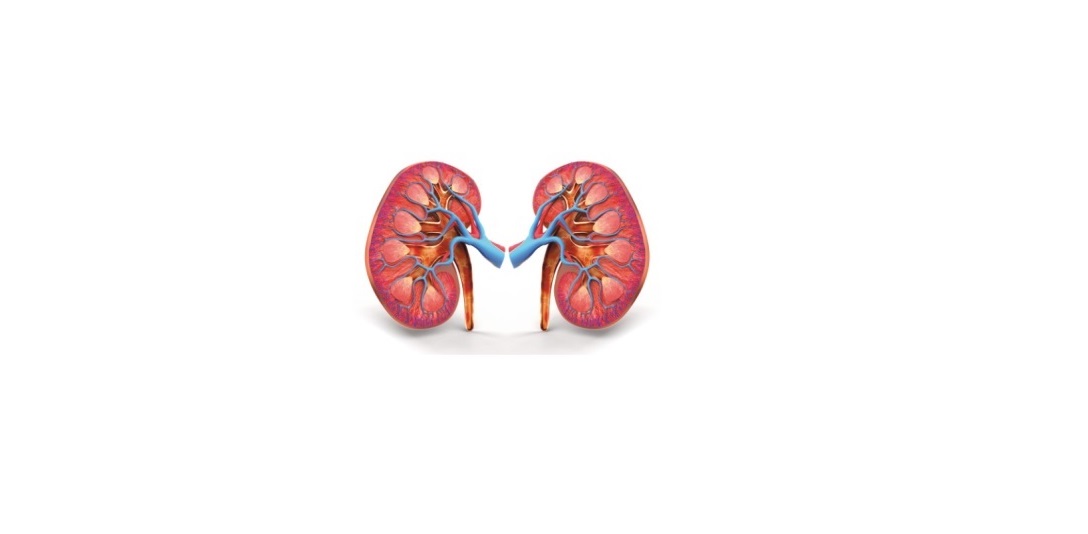
Kidney diseases – symptoms, causes, treatment
The kidneys are an organ that performs many functions essential for proper human functioning. They are the main cleansing organs, filtering the blood, regulating the body's pH, and helping to monitor red blood cell production—to name just a few.
Many of us don't even realize that our kidneys are ailing. When they're sick, they don't hurt. Various bodily functions are disrupted. Therefore, maintaining kidney health is crucial.
Kidney disease, symptoms that may suggest a kidney problem.
Kidney dysfunction can lead to many illnesses. Unfortunately, we're not always aware that our kidneys aren't functioning properly. A diseased kidney can cause a range of symptoms, including:
- problems with urination: hematuria, oliguria,
- complete urinary retention,
- changes in the color and smell of urine,
- abdominal pain,
- severe pain in the lumbar spine,
- heart disorders,
- vomiting and nausea,
- fever,
- shortness of breath,
- cough.
- Some symptoms that may indicate kidney disease are not obvious, and include:
- insomnia,
- swelling and edema of the feet,
- constant tiredness and feeling of exhaustion,
- problems with concentration and memory,
- dry and itchy skin,
- deterioration of skin condition.
The most common kidney diseases
Kidney disease is a broad group of conditions. These include:
- kidney stones,
- glomerular diseases,
- tubulopathies,
- cysts,
- kidney cancer.
One of the most common kidney diseases is nephrolithiasis, which develops into stones. Common diseases include bacterial nephritis (acute pyelonephritis), usually preceded by cystitis. Due to the lack of symptoms, chronic kidney disease, which ultimately leads to end-stage renal failure, deserves attention.
Kidney diseases – causes
Kidney disease can have numerous causes, including improper body function, bacterial infections, and genetic predispositions. Kidney damage can occur as a result of chronic illnesses such as diabetes or chronic hypertension. Bacterial nephritis, a common condition, is usually caused by E. coli, staphylococci, and streptococci. Nephritis, in turn, can be a complication of inflammation in the lower urinary tract, such as the bladder.
Who is at risk of kidney disease?
The risk group includes people with diseases that can damage the functional structures of the kidneys. These include diabetes, hypertension, and atherosclerosis. Additionally, there is a group of kidney diseases caused by genetic defects. People who are overweight or obese, over 60 years of age, or have a history of kidney problems should be especially cautious.
When and what tests should be performed? Kidney disease diagnosis
Kidney diagnostics most often include a general urinalysis and ultrasound. Additionally, renal function tests and a complete blood count are performed. These are essential tests that can be performed at the Luxmed Medical Center laboratory. Preventive kidney screening should be performed every 2-3 years. People over 50 should have the test performed annually. If you experience any alarming symptoms or suspect your kidneys are not functioning properly, you should consult a nephrologist in Lublin or a urologist.
Kidney failure is a serious condition, how can it be prevented?
We can reduce the risk of kidney disease through various measures. Regular blood pressure checks, physical activity (at least half an hour daily), monitoring blood sugar levels, and regular urine testing are important. Additionally, you should:
- drink plenty of water (2 – 2.5 liters a day),
- limit salt in your diet to reduce the risk of hypertension (4-5 g a day, i.e. one flat teaspoon, is enough),
- enrich your diet with vegetables and fruits that support the kidneys (i.e. cranberries, oranges, blackcurrants, gooseberries, parsley, celery, cucumbers),
- maintain a normal weight, as overweight and obesity contribute to diseases that can damage the kidneys,
- use painkillers sparingly, as their overuse often damages the kidneys,
- use the toilet without delay to prevent the multiplication of bacteria,
- consume alcohol sensibly,
- quit smoking.
The kidneys play a crucial role in our bodies, fulfilling numerous important functions, such as blood filtration and pH regulation. It's concerning that many people are unaware of health problems affecting their kidneys. Symptoms of kidney disease are varied, and sometimes it's difficult to connect them to a diseased kidney, such as fatigue or difficulty concentrating. Kidney disease has various causes—it can result from chronic diseases like diabetes, bacterial infections, or genetic predispositions. Therefore, it's important to know the risk factors and symptoms that indicate potential kidney problems. Prevention and education are key to kidney health. Regular checkups, a healthy lifestyle, a proper diet, and avoiding medication overuse can significantly reduce the risk of serious complications. Remember that kidney health affects our entire body. By taking care of them, we take care of our overall health.So don't wait until symptoms appear. You can check whether your kidneys are functioning properly at any time. Your doctor will refer you for the appropriate tests.
Medical consultation
with doctor Aneta Łącz,
specialist in nephrology and pulmonology
Frequently asked questions – FAQ
What functions do the kidneys perform?
The kidneys filter the blood, help remove waste products, regulate the body's water and electrolyte balance and pH, and participate in supervising the production of red blood cells.
What symptoms may suggest kidney disease?
Problems with urination, hematuria, oliguria, changes in the color or odor of urine, abdominal pain, severe pain in the lumbar region, fever, nausea, vomiting, swelling, fatigue and problems with concentration may be disturbing.
Do diseased kidneys always hurt?
No. Kidney disease can progress for a long time without pain or obvious symptoms. Therefore, preventive screenings are important, especially for people with risk factors.
What are the most common kidney diseases?
Kidney diseases include kidney stones, glomerular disease, cysts, kidney tumors, bacterial nephritis, and chronic kidney disease, which can lead to kidney failure.
What are the causes of kidney disease?
Kidney diseases can result from bacterial infections, chronic diseases such as diabetes and hypertension, genetic conditions, urinary tract defects, and other disorders affecting kidney function.
Who is particularly at risk of kidney disease?
People with diabetes, hypertension, atherosclerosis, overweight or obesity, people over 60 years of age and patients who have previously had kidney problems are at greater risk of kidney disease.
What tests help assess kidney function?
Kidney disease diagnosis most often involves a urinalysis, renal function tests, a complete blood count, and a urinary tract ultrasound. The scope of testing should be tailored to the patient's symptoms and health status.
How to take care of your kidneys?
It is important to drink adequate amounts of water, limit salt, control blood pressure and sugar levels, maintain a healthy body weight, be physically active, not overuse painkillers and undergo regular preventive check-ups.