
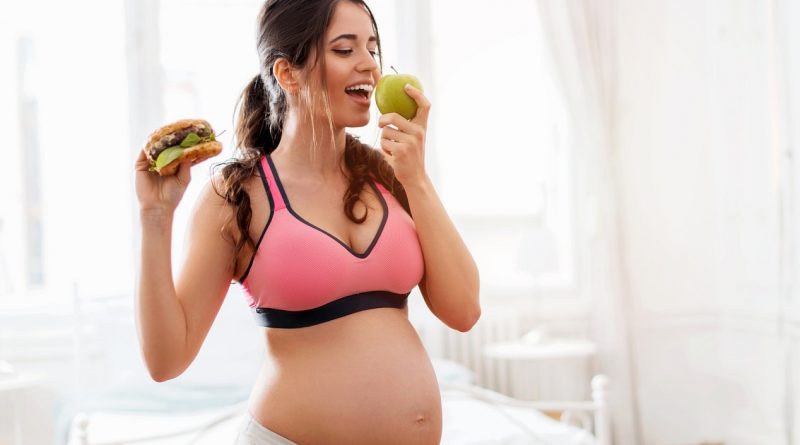
Diet of the future mother
The Expectant Mother's Diet. Pregnancy is a magical, unforgettable time when a new life develops. A woman's entire body changes and adapts to new conditions, and the new person growing inside her needs everything they can to be healthy and strong. So what should an expectant mother eat to meet this need?
It's important to know that during pregnancy, you're shaping your child's eating habits months, even years, before conception. Through amniotic fluid, your baby learns to recognize the flavors of foods and products.
The need for nutrients increases significantly during pregnancy. Some nutrients can be obtained from the body's own reserves, while others must be supplied daily through food. Therefore, if you have any questions about your diet, deficiencies, or safe supplementation, it's worth seeking the help of a dietitian in Lublin, who will help you tailor your diet to the needs of the expectant mother and her developing baby.
Particular attention should be paid to: protein, omega-3 fatty acids, iron, folate, iodine, zinc, niacin (vit. B3), riboflavin (vit. B2), thiamine (vit. B1), vitamins A, C, B6, B12.
Prevent anemia
Most women experience iron deficiency for the first time during pregnancy. Demand for this element doubles, which is associated with increased hemoglobin production. The body produces additional blood necessary for both mother and baby. Therefore, it's important to include iron-rich foods in your diet : green leafy vegetables, lentils, egg yolks, dried apricots and prunes, parsley, and, if you eat them, grass-fed meat. Iron-rich foods should be combined with those containing vitamin C (sauerkraut and cucumbers, tomatoes, chokeberry, blackcurrant, and rosehip preserves, etc.). Anemia usually resolves after the baby is born, but it's dangerous during pregnancy, as it can lead to premature birth or contribute to low birth weight.
Protein requirement
During the second and third trimesters of pregnancy, the need for protein increases, as it is essential for the formation of tissues and fluids in the body. Rich and safe sources of protein include legumes, leafy greens, nuts, and seeds. If the expectant mother is concerned about the gas-inducing properties of legumes, she should soak them overnight with a pinch of baking soda, then pour off the water, add fresh water, and bring to a boil. Drain the water and add warm water and about 2 cm of kombu seaweed. Cook beans or other legumes until tender, then season with cumin, marjoram, thyme, or savory. Legumes cooked this way, combined with vegetables, will be well-digested.

Watch what you eat
Most animal products are heavily processed and loaded with chemical additives (dairy products, cold cuts, fish products), making them unsuitable for expectant mothers. She can eat meat and eggs, but only those raised naturally, as well as goat milk and products, preferably unpasteurized. Small fish are the least contaminated with heavy metals.
You should be careful with sugar and sweets, frozen and cold foods, beverages and ice cream, tropical fruits, excess dairy products, microwaved foods, and sandwich-style foods, without cooked dishes. It's worth consuming seasonal vegetables prepared using various methods.
It is worth replacing white bread and rolls with whole-grain sourdough bread, and replacing white wheat flour with spelt, oat or buckwheat flour.
Dairy products (cheese, yogurt, kefir) should be consumed in their minimally processed form, preferably without any additives (fruit, spices, thickeners, etc.). It's better to replace cow's milk with goat's milk or plant-based milk, such as rice milk, almond milk, oat milk, or tofu.
Consuming tropical fruits is not recommended as part of a healthy diet. They are usually picked before they ripen and liberally sprayed with chemicals. By choosing seasonal fruits, we can be sure that their journey from vine to store shelf is short, there's no need for excessive preservation, they're harvested at peak ripeness, and they retain the most valuable vitamins, minerals, and fiber.
Hard-to-digest products
Sugar and hard-to-digest foods (pork, cold cuts, canned goods, smoked fish, French fries, industrially produced dishes and sauces) should be eliminated from the diet. Black coffee and tea should also be eliminated from the diet. Instead, it's good to drink water, weak herbal teas (changing them frequently), green smoothies, and young barley juice.
Fermented foods, or pickles, should definitely be on the table of any expectant mother. They are incredibly beneficial for the digestive system's bacterial flora. The daily diet should include as much color as possible, as the substances that give plants their color possess powerful antioxidant properties. Known as antioxidants, they have anti-inflammatory and anti-cancer properties, protect the brain, and strengthen the immune system.
A well-balanced mother's diet will ensure the healthy development of her baby and will also help prevent overweight and obesity during pregnancy.
Substantive consultation:
Jolanta Gierszon, M.A. - dietitian
Frequently asked questions – FAQ
How to eat during pregnancy?
During pregnancy, it's important to maintain a well-balanced, varied diet. The menu should provide the nutrients needed by both the expectant mother and the developing baby.
What ingredients are particularly important in the diet of an expectant mother?
Protein, iron, folate, iodine, zinc, omega-3 fatty acids, B vitamins, vitamin C, and vitamin A are particularly important during pregnancy. The need for some nutrients increases during pregnancy.
Why is iron important during pregnancy?
During pregnancy, the need for iron increases because the body produces more blood. Iron deficiency can lead to anemia, so it's important to include foods rich in this nutrient in your diet.
What to eat during pregnancy to support healthy iron levels?
It's a good idea to include iron-rich foods in your diet, such as green leafy vegetables, legumes, egg yolks, dried apricots and prunes, parsley, and meat if the expectant mother consumes them. Iron-rich foods should be combined with vitamin C.
Why is protein needed during pregnancy?
Protein is essential for building tissues in the developing baby and the mother-to-be. Protein demand increases especially during the second and third trimesters of pregnancy.
What to avoid in the diet of an expectant mother?
It's important to limit sugar, sweets, highly processed foods, fatty and difficult-to-digest foods, and excess foods with low nutritional value. Your diet should be based on fresh, minimally processed foods.
What to drink during pregnancy?
Water should be the foundation of hydration during pregnancy. Gentle herbal infusions can also be consumed if they are safe for pregnant women. If in doubt, consult your doctor or dietitian about your beverage choices.
Does your diet during pregnancy affect your baby?
Yes. A mother-to-be's diet is crucial for the child's development and can influence their later eating habits. Therefore, it's important to ensure a varied, well-balanced diet during pregnancy.