
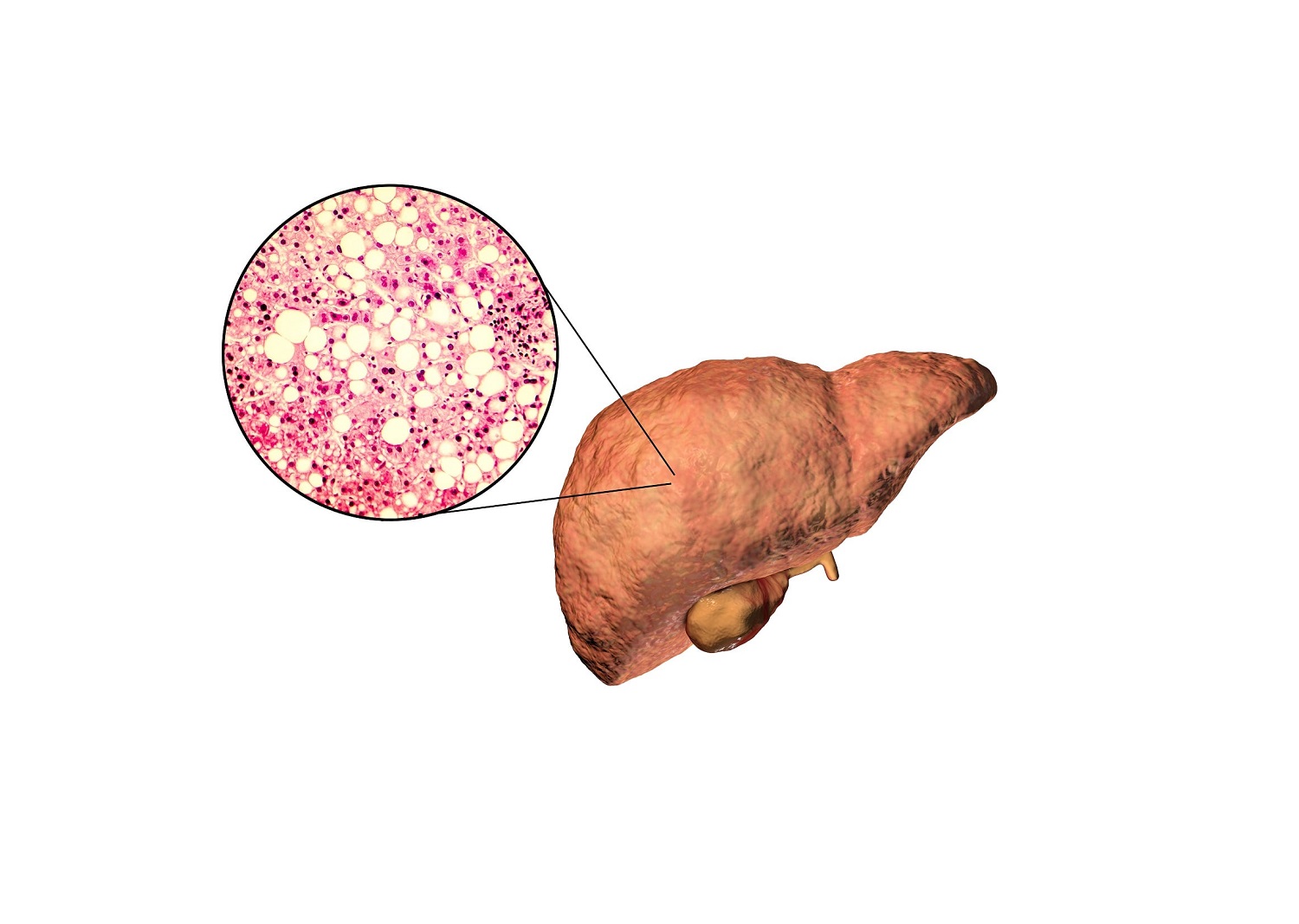
Fatty liver – is it a serious problem?
Fatty liver doesn't hurt. It may not cause any symptoms for a long time. However, if left untreated, it can lead to serious consequences – inflammation, fibrosis, and even cirrhosis of the liver – and increases the risk of hepatocellular carcinoma.
What does fatty liver mean?
Liver disease can affect more than just those who are overweight or consume alcohol. Non-alcoholic fatty liver disease (NAFLD Fattyliver disease can be accompanied by overweight or obesity and related metabolic disorders, most commonly insulin resistance or type 2 diabetes, dyslipidemia, hypertension, polycystic ovary syndrome (PCOS), and hypothyroidism.
How to recognize fatty liver disease?
The diagnosis is made by the doctor based on the assessment of risk factors, blood tests (ALT activity maintained >30 IU/l in men and >19 IU/l in women) and the presence of steatosis features in an ultrasound examination.
NAFLD has become an epidemic in recent years and is strongly linked to lifestyle. Therefore, the basis for NAFLD prevention is lifestyle changes, including: changing eating habits, maintaining a healthy body weight, increasing physical activity to a minimum of 150 minutes per week, getting 7-8 hours of sleep per night, and reducing stress.
Fatty liver diet
Research shows that the most beneficial diet for fatty liver disease is the Mediterranean diet, which, in individuals with excess body weight, involves a moderately reduced caloric intake, resulting in a weight loss of approximately 0.5 kg/week. Rapid weight loss is not recommended and may contribute to the progression of liver lesions. Importantly, benefits from following this diet can also be achieved without caloric restriction, by introducing only qualitative changes.
The basis of the Mediterranean diet are:
- vegetables – minimum 400 g per day,
- whole grain cereal products (coarse grain groats, whole grain flour, unprocessed flakes, e.g. oat flakes),
- low-fat, unsweetened dairy products,
- legumes (beans, soybeans, lentils, chickpeas, peas),
- fish and seafood, lean meat,
- vegetable oils (e.g. olive oil, linseed oil, rapeseed oil),
- fruit.
It is worth including green leafy vegetables (lettuce, spinach, rocket, arugula, corn salad, kale, parsley) in your diet every day, e.g. in the form of salads, green smoothies, vegetable juices, dishes generously sprinkled with greens.
Studies show that consuming 30g of unprocessed nuts daily may be beneficial for fatty liver disease. Nuts contain beneficial fats, as do seeds, pits, vegetable oils, and fatty fish (e.g., salmon, mackerel, herring, halibut).
What not to eat with fatty liver?
Sugar in all its forms should be eliminated from the diet : sweets, cakes, cookies, added sugar, honey, carbonated drinks, fruit juices, energy drinks, sweetened grain products such as granola, breakfast cereals, sweetened dairy products such as yogurt, flavored milk, and smoothies. Processed foods, fast food, instant foods, baked goods, chips, crackers, fatty meats and cold cuts, sausages, butter, lard, coconut oil, and palm oil are also discouraged . Alcohol should also be eliminated or at least severely limited, not only because of its liver toxicity but also because of its significant sugar content and/or increased sugar intake during consumption.
When caring for the liver, we mustn't forget about a proper diet, physical activity, mental hygiene, but also proper hydration. Water should be the basis of hydration, but nothing stops you from supplementing it with green tea and unsweetened coffee. A recent discovery is the beneficial effect on the liver of drinking 2-3 cups of coffee a day, preferably filtered or espresso.
If you need specialist , please contact
Dietitian Natalia Parulska, MA.
Frequently asked questions – FAQ
What is fatty liver disease?
Fatty liver disease is the excessive accumulation of fat in liver cells. It can develop over time without any obvious symptoms and is sometimes detected incidentally during laboratory tests or abdominal ultrasound.
Is fatty liver a serious problem?
Yes, fatty liver disease shouldn't be taken lightly. In some people, it can lead to inflammation, fibrosis, and cirrhosis, and increase the risk of metabolic and cardiovascular diseases.
What are the symptoms of fatty liver disease?
Fatty liver disease often has no symptoms. Some people may experience fatigue, weakness, discomfort or a feeling of fullness in the upper right abdomen, and abnormal liver function tests.
What causes fatty liver disease?
The most common causes include overweight, obesity, insulin resistance, type 2 diabetes, lipid disorders, low physical activity, a diet high in simple sugars and saturated fats, and excessive alcohol consumption.
How is fatty liver disease diagnosed?
Diagnostics may include a medical history, physical examination, liver function tests, lipid profile, glucose, insulin, abdominal ultrasound, and other tests recommended by the doctor depending on the patient's condition.
Can fatty liver disease be reversed?
For many people, improving their lifestyle, losing weight, exercising regularly, eating a healthy diet, and limiting alcohol consumption can reduce fatty liver disease and improve test results.
What diet is recommended for fatty liver disease?
A diet based on vegetables, whole grains, protein sources, healthy fats and limiting sugar, sweets, sweetened drinks, highly processed foods and alcohol is recommended.
When should you see a doctor for fatty liver disease?
It is worth seeing a doctor if you have abnormal liver function test results, steatosis described on ultrasound, pain or discomfort on the right side of the abdomen, obesity, diabetes, insulin resistance or high cholesterol.