
Vitamin A, or retinol. The modern elixir of youth.
Imagine this one vitamin reducing wrinkles, firming and brightening the skin, stimulating collagen production, regulating sebum production, accelerating epidermal renewal, lightening discolorations, treating inflammation, combating acne, supporting wound healing and treating frostbite and burns… It takes your breath away! Is that all that retinol (because that's what we're talking about) has to offer? No, that's definitely not all! Vitamin A is one of the most effective ingredients in cosmetics and beauty treatments, but it needs to be used properly.
We talk to cosmetologist Justyna Fuksa-Omiotek, MA, about when and how to safely use retinol.
What is retinol?
The spectrum of retinol's effects is vast. Retinol is an organic chemical compound, one of the derivatives of vitamin A. Of these, retinol, retinal, and beta-carotene are most commonly used in cosmetics. Retinoic acid, also known as tretinoin, is used in acne treatment. Besides retinol's significant impact on skin condition, it performs a number of other functions in the body. Vitamin A influences vision, steroid hormone synthesis, cell division, and immune responses.
Let's focus on the skin, after all, vitamin A has been hailed as "the modern elixir of youth"
That's right. It's the basic form of vitamin A, the most biologically active. Its action is based on its activity in differentiating epidermal cells and stimulating the production of collagen and elastin, the fibers responsible for maintaining the firmness and density of our skin. Furthermore, it deeply regenerates the skin, regulates the function of the sebaceous glands, preventing blackheads and imperfections. By stimulating the formation of new blood vessels, retinol improves blood circulation in the skin.
It's amazing how valuable a single vitamin is! Do women readily reach for retinol creams? When should they be used?
Yes, retinol cosmetics are quite popular. The skin aging process begins around age 25. Women around 30 can use retinol cosmetics to slow down the aging process. There's also a wide range of cosmetics for mature women who experience skin laxity, discoloration, uneven skin tone, and photodamage. The most important thing is to choose the right product for your skin type and needs.
How to choose a retinol cream? How to use it?
It's best to take it one step at a time. Initially, apply low-concentration retinol creams and products (0.2-0.3%) every 2-3 days to prevent possible side effects such as redness or irritation. Later, as your skin adjusts, you can use the retinol cream daily (with a higher concentration).
Does retinol have anti-acne properties?
I can confidently say that retinol is very effective in fighting acne. It's effective in treating both young, acne-prone skin and mature skin with acne symptoms. Using retinol products in these situations exfoliates the skin, regulates sebaceous glands, and clears pores of blackheads, thereby reducing sebum production. It also treats inflammation. It also lightens acne discolorations and reduces scarring. It certainly aids in acne treatment, but it's always best to consult a dermatologist beforehand.
How to use cosmetics with retinol?
Recommendations for using retinol cosmetics are very important. There are a few rules to keep in mind:
- It is important to remember that cosmetics and preparations containing retinol should be applied to the skin once a day, in the evening, avoiding the eye and mouth area.
- We also take care to regularly and intensively moisturize the skin.
- Because retinol can cause flaking and skin irritation, it is recommended to use it during periods of low sun exposure, i.e. in autumn and winter.
- During the treatment, it is absolutely necessary to use high sun protection, at least SPF 30, and in the case of hyperpigmentation lesions SPF 50.
Retinol is used in various cosmetic treatments. Are they safe?
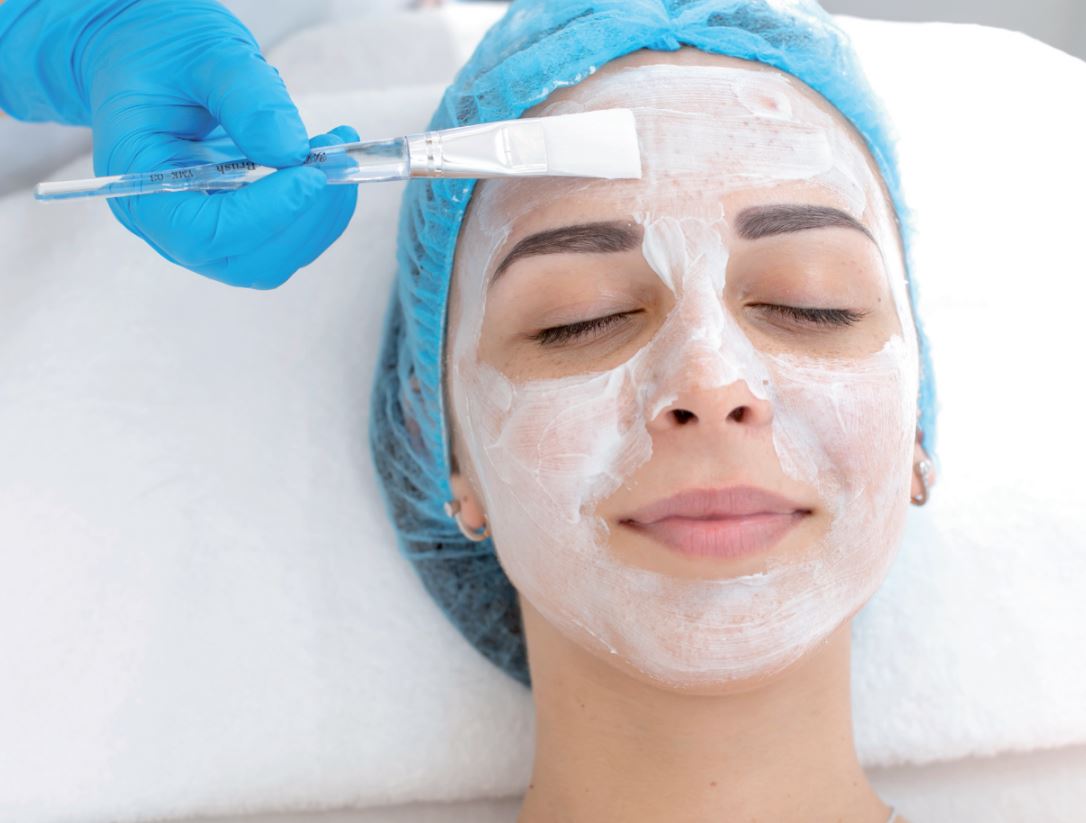
When planning a treatment that uses vitamin A or includes it as an ingredient, it's worth consulting a dermatologist or cosmetologist first. Despite its many benefits, it can cause irritation, dryness, and redness. Home care typically uses retinol at a concentration of 0.1 to 2%, while in-office treatments can reach up to 5%. Therefore, the choice of treatment center is crucial. Sometimes it's worth paying more, but entrust your skin to an experienced professional. Therefore, safety is key. You can check, for example, in the reviews of the treatment center to see if the treatments are performed by experienced and professional specialists and whether they use modern equipment. Familiarize yourself with the offer. The broader the range of services, the more accurately your cosmetologist will choose the right treatment for you. The offer should include, for example, combined therapies with chemical peels, which achieve spectacular anti-aging, brightening, and sebum-regulating effects.

Thank you for the interview
Frequently asked questions – FAQ
What is vitamin A?
Vitamin A is a group of fat-soluble compounds, including retinol. It supports healthy vision, immunity, the condition of the skin and mucous membranes, and cell regeneration processes.
What is retinol?
Retinol is a form of vitamin A, often used in cosmetology and dermatology. It can support skin renewal, improve its structure and elasticity, and reduce the appearance of fine lines.
How does retinol work on the skin?
Retinol stimulates epidermal renewal, supports collagen production, and can help smooth the skin, reducing the appearance of discoloration, wrinkles, and imperfections. The effects depend on the concentration, regular use, and skin tolerance.
Who is retinol for?
Retinol can be used by people with signs of aging, loss of skin firmness, discoloration, uneven skin texture, enlarged pores, or imperfections. It's best to consult a specialist before choosing a product.
How to start using retinol?
It's best to introduce retinol gradually, starting with a lower concentration and less frequent applications, for example, several times a week in the evening. It's important to monitor your skin, moisturize, and avoid too many irritating ingredients at once.
Can retinol irritate the skin?
Yes. When first starting retinol, you may experience dryness, redness, burning, or peeling. Gradually introducing the product, along with proper hydration and sun protection, usually helps.
Is it necessary to use SPF with retinol?
Yes. Daily sun protection, preferably SPF 50, is necessary when using retinol. Skin may be more sensitive to the sun and prone to irritation and discoloration.
When not to use retinol?
Retinol is not recommended during pregnancy or breastfeeding. Caution is also advised for severely irritated, damaged, or very sensitive skin. If in doubt, consult a dermatologist or cosmetologist.