
Testicle Pain
Testicular pain can be a warning sign that shouldn't be ignored, as it can indicate serious health problems. Many men don't realize how important regular testicular self-examinations are for early detection of abnormalities, such as lumps. Understanding when and why immediate medical attention is necessary is fundamental to maintaining men's urogenital health.
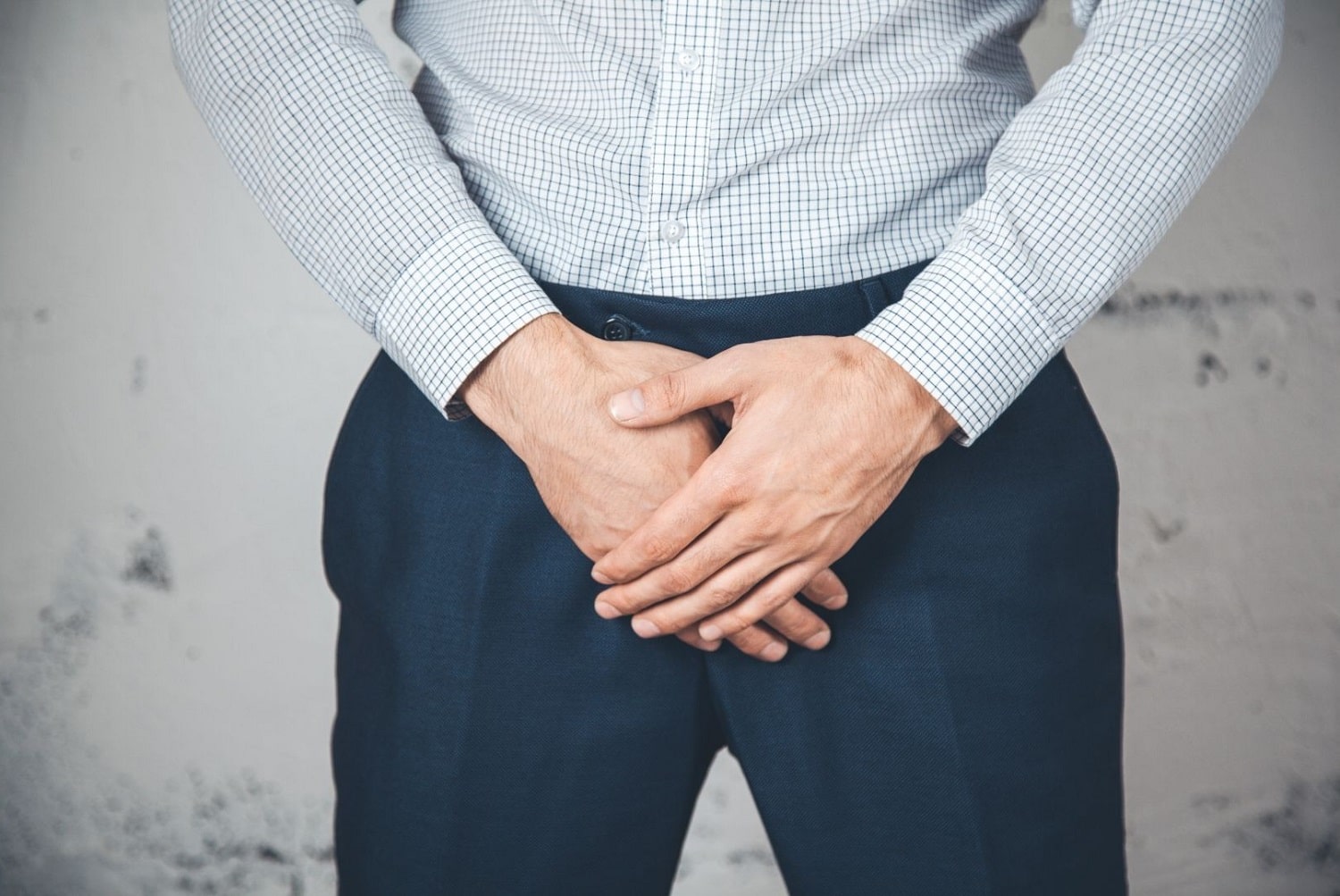
Testicular pain causes
Testicular pain can be caused by a variety of factors, both minor and serious. Common causes include injury, disease, or infection, such as epididymitis or cysts. Pain can also signal more serious conditions, such as testicular torsion, which requires immediate medical attention, or blood flow problems, such as a varicocele. Enlarged veins in the scrotum can also cause discomfort.
Testicular Pain – Accompanying Symptoms
Symptoms accompanying testicular pain can provide valuable diagnostic information. They include swelling, redness, increased tenderness, as well as general symptoms such as fever, nausea, or vomiting. Depending on the cause, symptoms may appear suddenly or develop gradually. It's important to be alert to any unusual symptoms and consult a doctor.
Diagnostics and research
Testicular pain diagnosis primarily involves a physical examination, which may be supplemented with imaging tests such as a scrotal ultrasound. In some cases, the doctor may also recommend blood or urine tests to rule out infections or other inflammatory conditions. It's important to thoroughly describe all symptoms and their duration to aid in making a correct diagnosis.

Testicular cancer
The initial symptoms of testicular cancer are mild and therefore often ignored. Sometimes, testicular pain is mild, accompanied only by discomfort in the scrotum that does not interfere with daily activities. The cancer manifests itself as a nodular lesion in the testicle or a change in its consistency. Severe pain only occurs when inflammation develops, which is rare.
A lumpy change in the testicle is palpable, which is why monthly testicular self-examination is so important. If you notice any change, consult a urologist.
Testicular pain treatment
Treatment for testicular pain depends on its cause. In cases of infection, antibiotics are used. In cases where the cause is trauma, rest and the use of cold compresses may be recommended. In more serious cases, such as testicular torsion, surgical intervention may be necessary. It's important not to ignore testicular pain and consult a urologist if necessary.
Preventing Testicular Problems
While not all testicular problems can be prevented, there are certain precautions that can reduce the risk of their occurrence. These include avoiding injury, regular testicular self-examination, and maintaining good personal hygiene. For athletes, the use of scrotum protectors is recommended. Regular visits to a doctor and health checkups are key to early detection and treatment of testicular problems.