
Knee pain
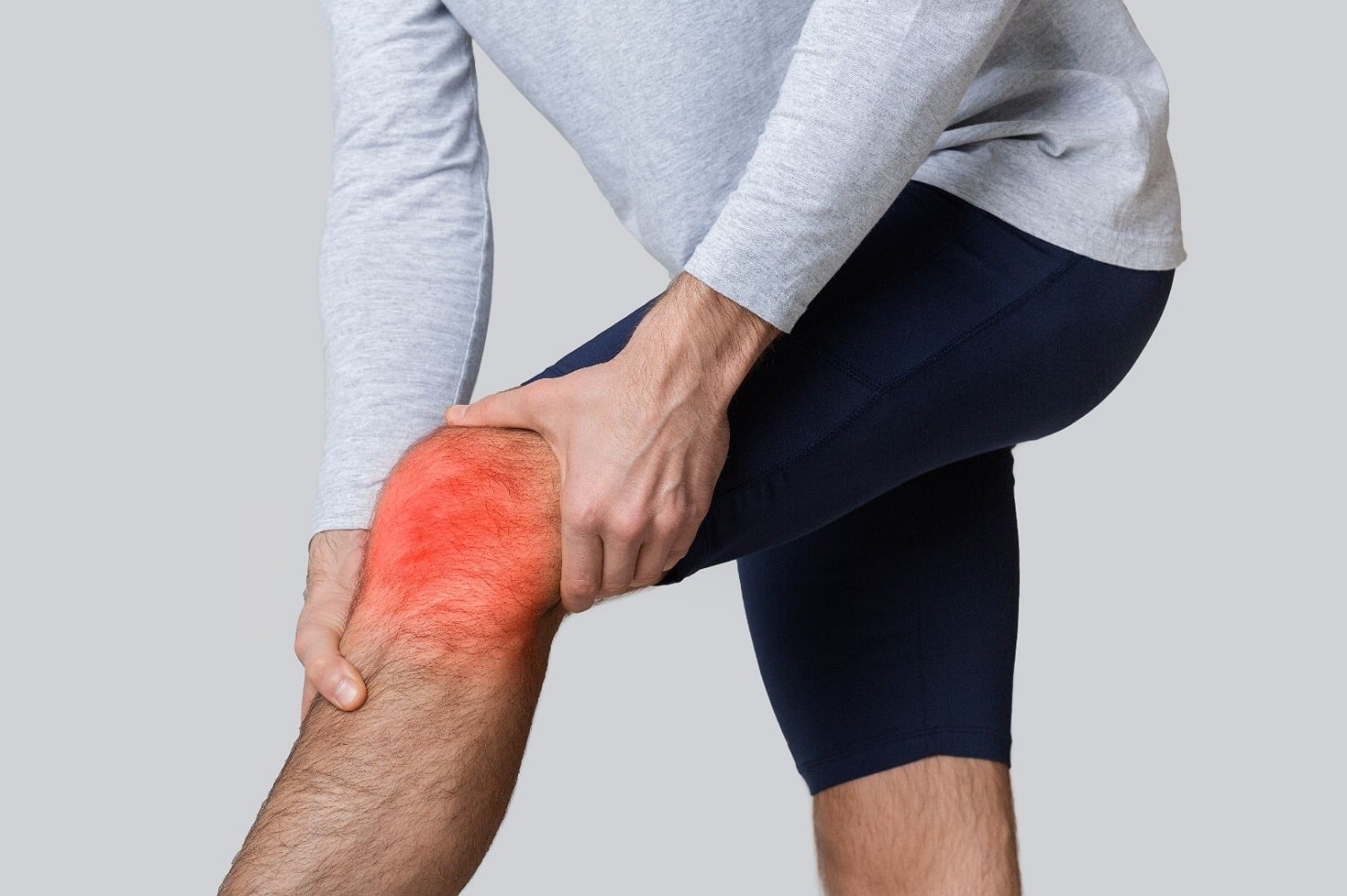
Knee pain , known as one of the most debilitating ailments, significantly impacts the quality of life of those affected. It's worth understanding its cause and how to alleviate its effects. Is it possible to effectively relieve knee pain when bending, nagging knee pain at night, and what treatment and self-care strategies are available, regardless of the patient's age or lifestyle?
Causes of knee pain
Knee pain is most often caused by injuries such as sprains and strains, cartilage or ligament damage, and degenerative diseases. In physically active individuals, sports injuries are a common cause of knee pain. In older adults, however, knee pain is often associated with knee degeneration.
Knee arthritis
Arthritis is a common cause of knee pain. Together with the accompanying swelling, it significantly impedes daily life. The prevalence of this condition increases with age and can have various causes. It commonly manifests as autoimmune diseases such as rheumatoid arthritis (RA), chronic degenerative joint disease, or gout, in which excessive levels of uric acid in the blood crystallize and deposit in areas such as the knee joints.
Symptoms associated with knee pain
In addition to the pain itself, other symptoms may include swelling, redness, limited joint movement, and sometimes difficulty walking. The pain can be acute and sudden, for example, after an injury, or chronic, gradually worsening over time. In some cases, knee pain may also be accompanied by a feeling of stiffness, especially in the morning or after prolonged sitting.
Knee pain diagnosis
To diagnose the cause of knee pain, your doctor may recommend imaging tests such as X-rays , magnetic resonance imaging (MRI), or ultrasound Laboratory tests are also sometimes necessary . A thorough medical history and a physical examination are also important, as they can provide valuable information about the possible causes of your pain.

Knee pain treatment
Treatment for knee pain depends on its cause. In cases of injury, conservative methods are often used, such as rest, cold compresses, limb elevation, appropriate exercises to strengthen the muscles surrounding the knee joint, and painkillers and anti-inflammatory medications. Physiotherapy is also an important part of treatment, helping to restore full joint function. In more complex cases, such as severe damage to joint structures, surgical intervention may be necessary.
Is it always necessary to consult a doctor about knee pain?
Knee pain may be short-lived and mild, but there's no guarantee it won't return with a vengeance. It shouldn't be ignored, as many conditions initially develop without symptoms, and early diagnosis, for example in autoimmune diseases, leads to greater treatment success.
Self-medication without medical consultation may lead to deterioration of health and delay of proper therapy.