
Pain in the groin
Groin pain is a symptom that can be caused by a wide range of causes, requiring a thorough medical diagnosis due to the anatomical and functional complexity of this area. This location is the intersection of numerous structures, including muscles, tendons, joints, and components of the reproductive system. Pain can stem from a variety of causes, ranging from sports injuries to orthopedic conditions such as hernias, tendinitis, and hip strain syndrome, as well as urological and gynecological issues. Groin pain can manifest as a sharp, sudden discomfort or a dull, chronic ache that worsens with certain movements or physical activity.
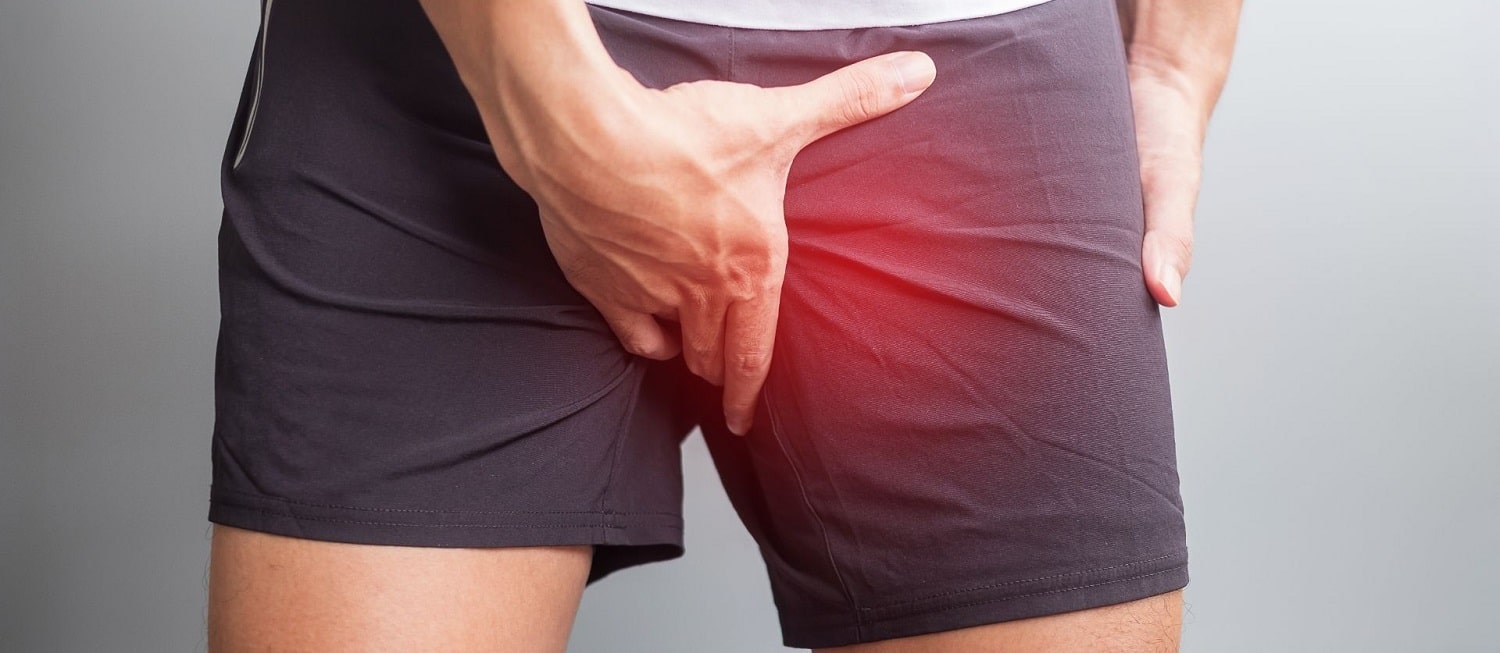
Causes of groin pain
Groin pain can stem from a variety of causes, often related to the musculoskeletal system or internal organs. Common causes include muscle and tendon injuries, such as muscle strains during sports activities. Other causes include hip conditions such as arthritis, degeneration, or dysplasia, inguinal hernias, as well as urological or gynecological problems, including kidney stones, urinary tract infections, and, in women, reproductive organ problems.
Symptoms associated with groin pain
Symptoms of groin pain can vary depending on the cause. They may include swelling, redness, limited hip mobility, difficulty walking, and, in the case of hernias, a visible bulge. In urological and gynecological conditions, pain may be accompanied by other symptoms, such as difficulty urinating, bleeding, or abnormal discharge. The pain may be felt with walking, radiate down the leg, and affect only the left or right groin.
Diagnosis of groin pain
Diagnosing groin pain typically begins with a thorough medical history and physical examination by a physician. Depending on the suspected cause, imaging tests such as X-rays , ultrasound , or magnetic resonance imaging (MRI) may be recommended. Additionally, in cases of suspected urological or gynecological problems, specialized tests such as urinalysis and ultrasound of internal organs may be necessary.

Treatment methods
If groin pain is the result of muscle or tendon injuries, rest, cold compresses, and in some cases, physical therapy are recommended. Inguinal hernias, surgical intervention is often necessary, at the discretion of a physician. In cases involving urological or gynecological problems, treatment may include pharmacological therapies and sometimes surgery.
Preventing groin pain
Groin pain resulting from injuries can be prevented by properly warming up before physical activity and avoiding excessive strain during exercise. Maintaining a healthy body weight and strengthening the abdominal and hip muscles is also important, which can reduce the risk of hernias and injuries. In cases of chronic conditions, such as joint problems, regular medical care and adapting your activity to your body's capabilities are crucial.