
Intestinal gases – what are they and how to deal with them?
Intestinal gas – this inherent, yet often embarrassing, element of human functioning is not only a source of awkward situations but also an indicator of the health of our digestive system. Everyone experiences its presence, and its production and elimination are natural processes within our bodies. Although intestinal gas may seem trivial, it can seriously impact quality of life, sometimes signaling more complex health issues.
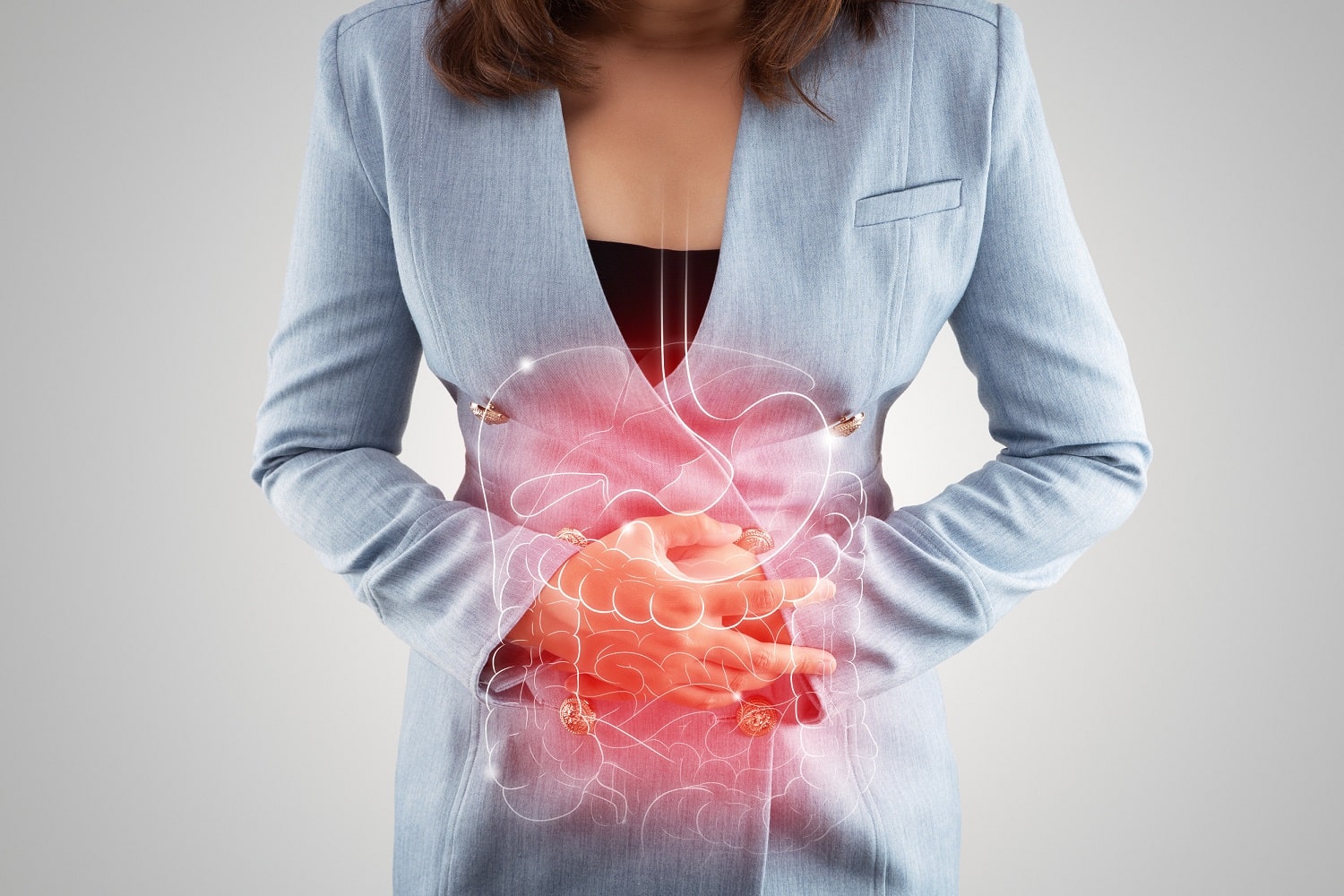
Excessive bloating and gas aren't just a matter of discomfort. They can signal various digestive disorders, such as food intolerances, small intestinal bacterial overgrowth (SIBO), or inflammatory bowel disease. Therefore, understanding what's normal and what's not is crucial to maintaining health and well-being.
What is intestinal gas?
Intestinal gas is a normal byproduct of the human digestive process. It consists primarily of nitrogen, oxygen, carbon dioxide, hydrogen, and methane. Gas formation is a natural part of the digestive system, but excessive gas or unpleasant odor can be a source of discomfort.
Causes of excessive gas accumulation in the intestines
Excessive intestinal gas can be caused by many factors. The most common include consuming foods that are difficult to digest or that cause fermentation in the intestines, such as legumes, some vegetables and fruits, whole grains, and carbonated drinks. Other causes include swallowing air while eating, food intolerances (e.g., lactose intolerance), digestive disorders, stress, and certain medical conditions, such as irritable bowel syndrome.
Symptoms associated with excessive gas
In addition to bloating and a feeling of fullness , excessive intestinal gas may be accompanied by diarrhea, constipation, abdominal discomfort, and abdominal pain. In some cases, symptoms such as belching, heartburn, or a feeling of fullness after eating may also occur.

What about intestinal gas?
Dietary changes are the primary way to control intestinal gas. Avoiding foods known to cause gas is recommended, as is eating in a calm, leisurely atmosphere and chewing your food thoroughly . Probiotics and digestive aids can also be beneficial. If gas is a symptom of another condition, it's important to consult a doctor for appropriate treatment of the underlying issue.
When to see a doctor?
A visit to a doctor is recommended when excessive intestinal gas is accompanied by other troubling symptoms, such as weight loss, changes in bowel habits, blood in the stool, chronic abdominal pain, or when home remedies fail to provide relief. In such cases, a more detailed diagnosis may be necessary to rule out more serious conditions.