
Night sweats - causes and prevention
Night sweats, also known as excessive nocturnal sweating , are a condition typically associated with sudden and intense sweating during sleep. It's important to note that they aren't related to high ambient temperatures. Night sweats can be not only a source of discomfort but also a warning sign of other, potentially serious health problems. Even though they may seem trivial, this problem shouldn't be ignored.
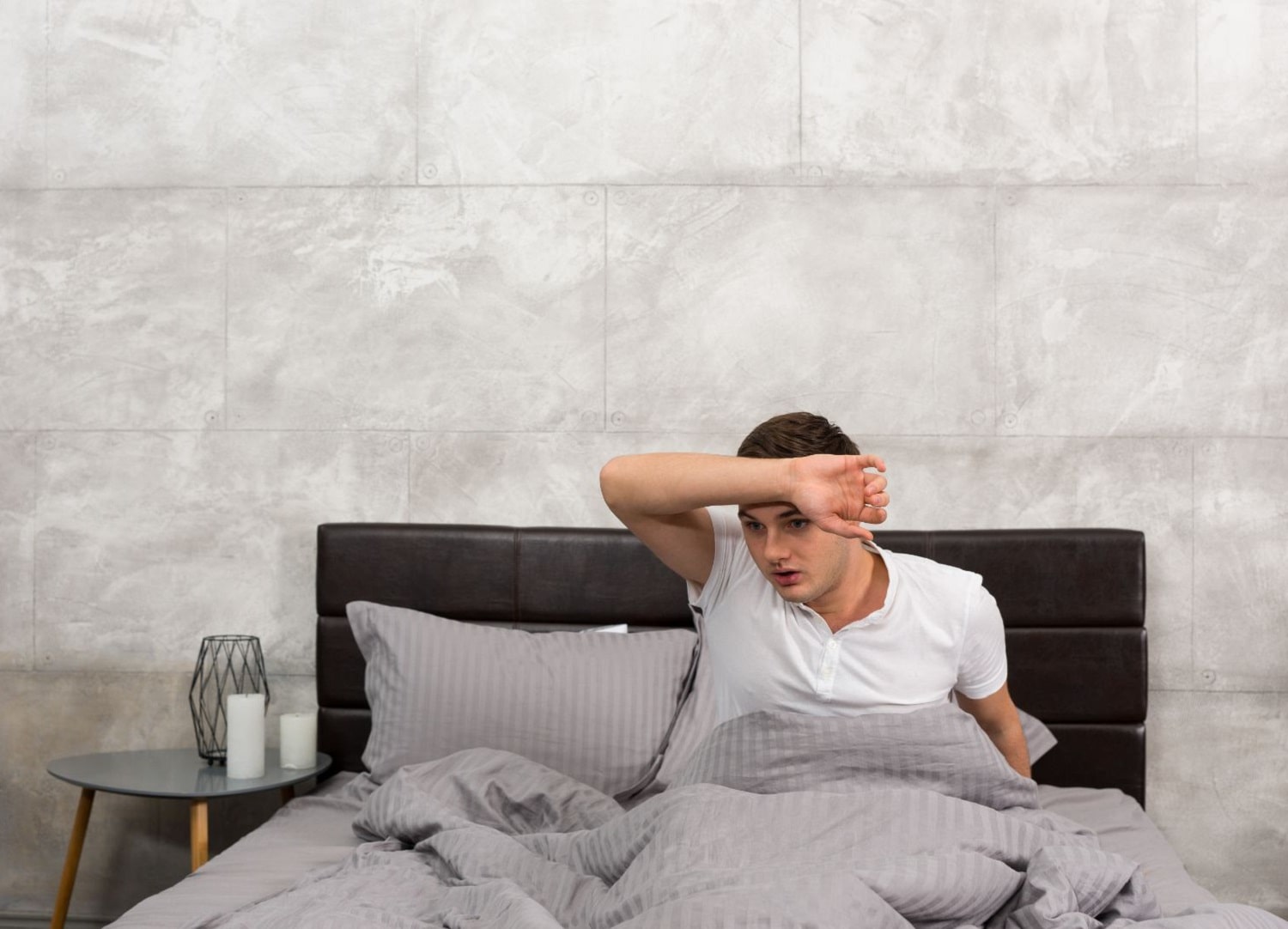
Causes of night sweats
Sweat glands are found throughout the body and perform a vital function. Sweating is a natural phenomenon that helps ensure proper thermoregulation and protects the body from overheating . If this natural process is disrupted, it's crucial to address its underlying causes.
Night sweats, or excessive sweating during sleep, can be caused by a number of factors, including hormonal changes, infections, autoimmune conditions, diabetes, stress and anxiety, and certain medications. Less commonly, they can be a symptom of more serious conditions, such as cancer or heart disease.
Night sweats - other symptoms
In addition to excessive night sweats, other symptoms may include fever, weight loss, chronic fatigue, general discomfort, and other specific symptoms depending on the underlying cause of the night sweats.
Diagnosis and treatment
Diagnosis of night sweats usually includes: a detailed medical history, a physical examination, and sometimes additional tests such as blood tests and a chest X-ray depending on the suspected cause.
Treatment for night sweats depends on the underlying cause. If the patient is taking medication regularly, this may include changes in medication regimens and treatment of the underlying condition causing the symptoms. Lifestyle changes may also be helpful if these are indeed the trigger for excessive night sweats.

Preventing night sweats
Creating optimal conditions for healthy sleep can often be helpful. These include maintaining a cool and comfortable bedroom temperature, using light duvets and pajamas, avoiding heavy foods and alcohol before bed, and using relaxation techniques when stressed. If night sweats are associated with specific medications, it's worth discussing the possibility of changing them with your doctor.
When should you consult a doctor?
Consulting a doctor is recommended if night sweats are intense, regular, and unrelated to obvious causes, such as fever or environmental factors. It's especially important to consult a specialist if they are accompanied by other concerning symptoms, such as weight loss, fatigue, fever, or other symptoms suggesting a serious condition.