
Petechiae - symptoms, treatment
These are small skin lesions that result from the rupture of tiny blood vessels beneath the skin's surface. They can appear suddenly and without any apparent cause. While they are often harmless and can be caused by minor trauma, they can sometimes signal more serious health problems, such as blood clotting disorders, infections, or drug reactions.
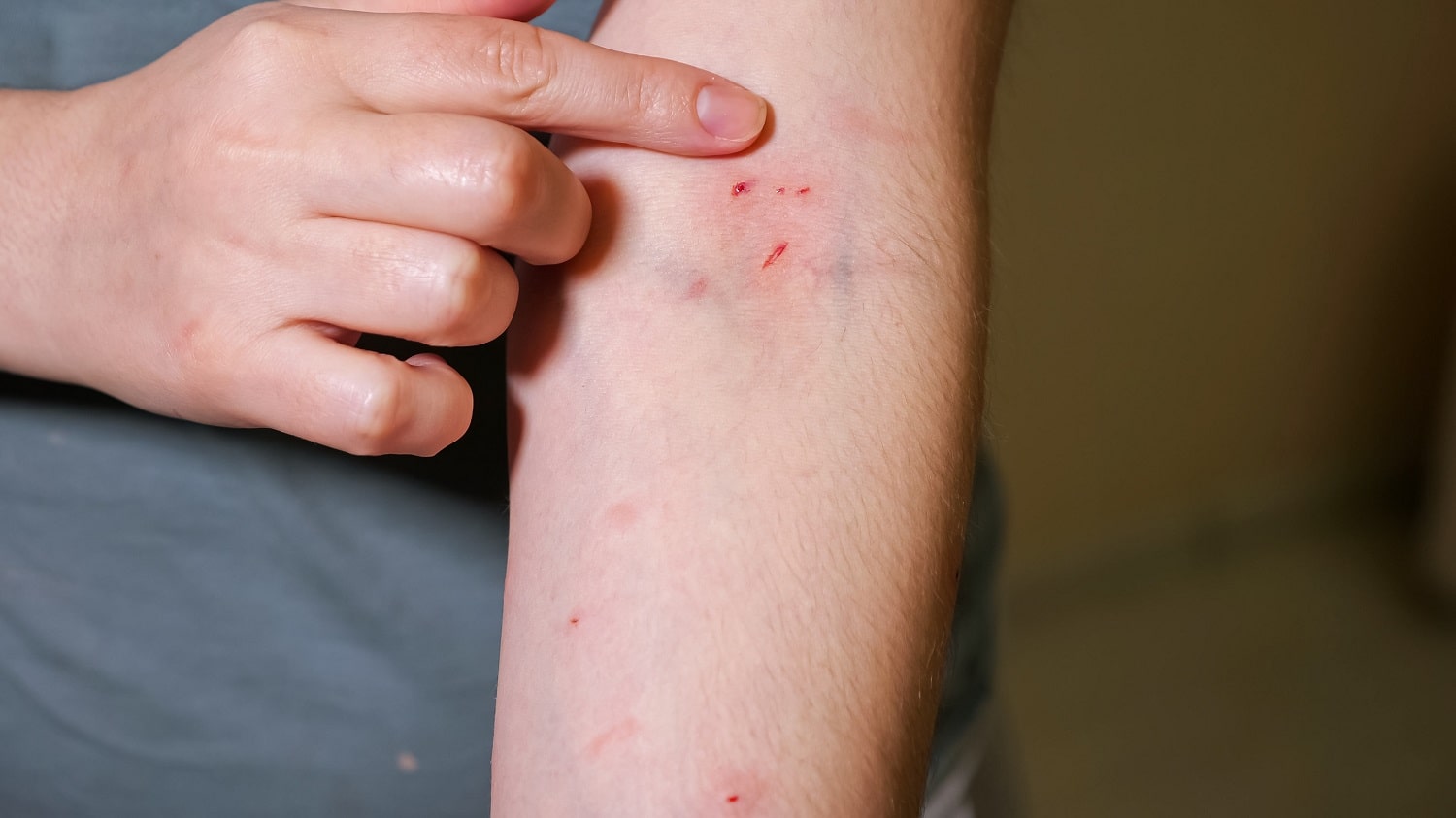
What are skin blemishes?
Petechiae are small, red or purple spots on the skin that result from blood leaking from damaged blood vessels. Petechiae can appear on any part of the body and are often seen in clusters.
Causes of petechiae
Petechiae can result from many causes. Some of the most common include physical trauma, viral infections, allergic reactions, blood clotting disorders, and the side effects of certain medications, such as anticoagulants. Conditions such as thrombocytopenia, scurvy, and some autoimmune diseases can also lead to the appearance of these small hemorrhagic spots on the body.

Diagnosis of petechiae
Diagnosing petechiae often begins with a thorough medical history and physical examination. Your doctor may order blood tests to assess platelet count and function, as well as coagulation parameters. Depending on the suspected cause, additional tests may be necessary, such as biochemical tests, hematological tests, tests for infection, or detailed immunological studies.
Prevention and treatment
If petechiae are caused by a drug reaction, dosage adjustments or a change in therapy may be necessary. If the cause is a coagulation disorder, treatment may include the administration of hematologic agents. If the petechiae are caused by an infection, antibiotics or other specific therapies may be appropriate. It is important that treatment is individually tailored by a specialist.
Petechiae are a symptom that shouldn't be ignored, especially if they appear suddenly or are numerous. They require a thorough medical diagnosis to determine their cause and implement appropriate treatment. Regular consultations with a doctor and appropriate testing are crucial for monitoring health and preventing more serious conditions.