Heart palpitations, causes
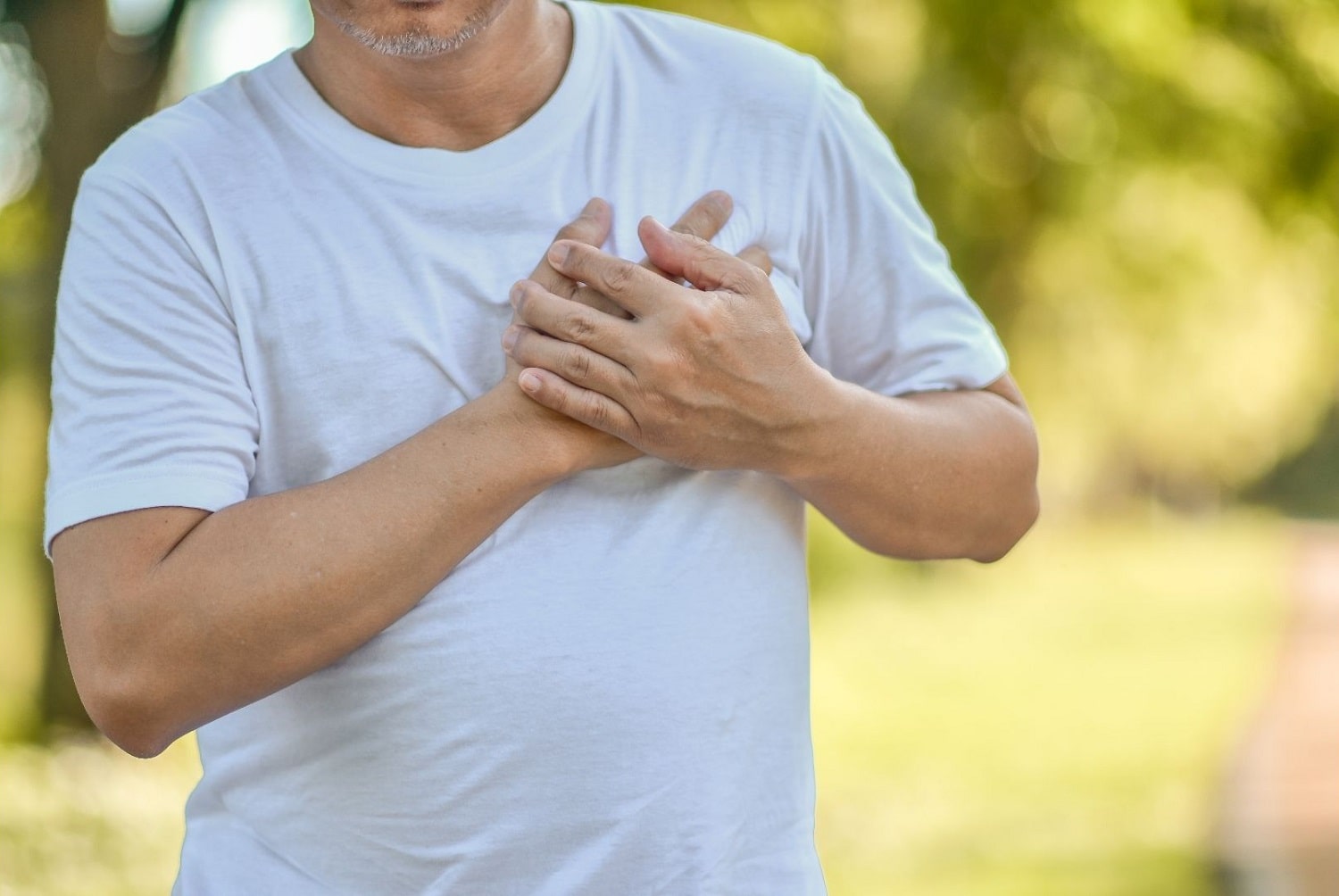
Heart palpitations, also known as pounding heartbeats , are a sensation most of us have experienced at least once or repeatedly. It's a feeling of the heart beating faster, harder, or irregularly, sometimes feeling like it might burst out of the chest at any moment. It can occur suddenly, during a moment of peace, while resting, or sometimes under the influence of emotion, stress, or physical exertion. Although often associated with negative health conditions, it doesn't necessarily indicate serious heart problems.
Causes of heart palpitations
The causes of this condition can be numerous and largely depend on the patient's lifestyle. Common causes include stress, caffeine abuse, excessive alcohol consumption, smoking, lack of sleep, intense physical activity, and certain medications. Additionally, palpitations can be a symptom of heart rhythm disorders such as atrial fibrillation or other heart conditions. Other possible causes include hormonal imbalances, such as hyperthyroidism , and electrolyte deficiencies.
Symptoms associated with heart palpitations
In addition to the feeling of an irregular heartbeat, palpitations may be accompanied by dizziness, shortness of breath, chest pain, excessive sweating, or feelings of anxiety. In some cases, symptoms related to the underlying cause of the palpitations, such as those associated with hyperthyroidism, may also occur.

Diagnosis and treatment of heart palpitations
If you experience heart palpitations, it's important to consult a doctor. Your doctor may order appropriate tests to rule out a serious condition, such as a Holter ECG , a Holter monitor, blood tests , or an echocardiogram. Treatment depends on the diagnostic results and may include lifestyle changes, medication, and in some cases, medical procedures.
Prevention of heart palpitations
Heart palpitations are often caused by an unhealthy lifestyle. After interviewing the patient and analyzing the test results, the doctor may recommend a healthier lifestyle change, including avoiding excessive stress, limiting caffeine and alcohol consumption, limiting or quitting smoking, engaging in regular physical activity, and maintaining a healthy diet. It's also important to regularly monitor your health and discuss any concerning symptoms with your doctor.