
Hair loss (alopecia)
Hair loss and baldness are common problems that can affect people of all ages and genders. We lose some hair every day, which is a natural process. However, when we notice excessive hair loss or bald patches appearing, it can be cause for concern.
The causes of hair loss can be diverse – from genetic predisposition, hormonal imbalances, stress, poor diet, and even scalp conditions. Baldness, especially in men, is often the result of a hereditary tendency to hair loss, but women can also experience this problem, especially as a result of hormonal changes, such as after pregnancy or menopause.
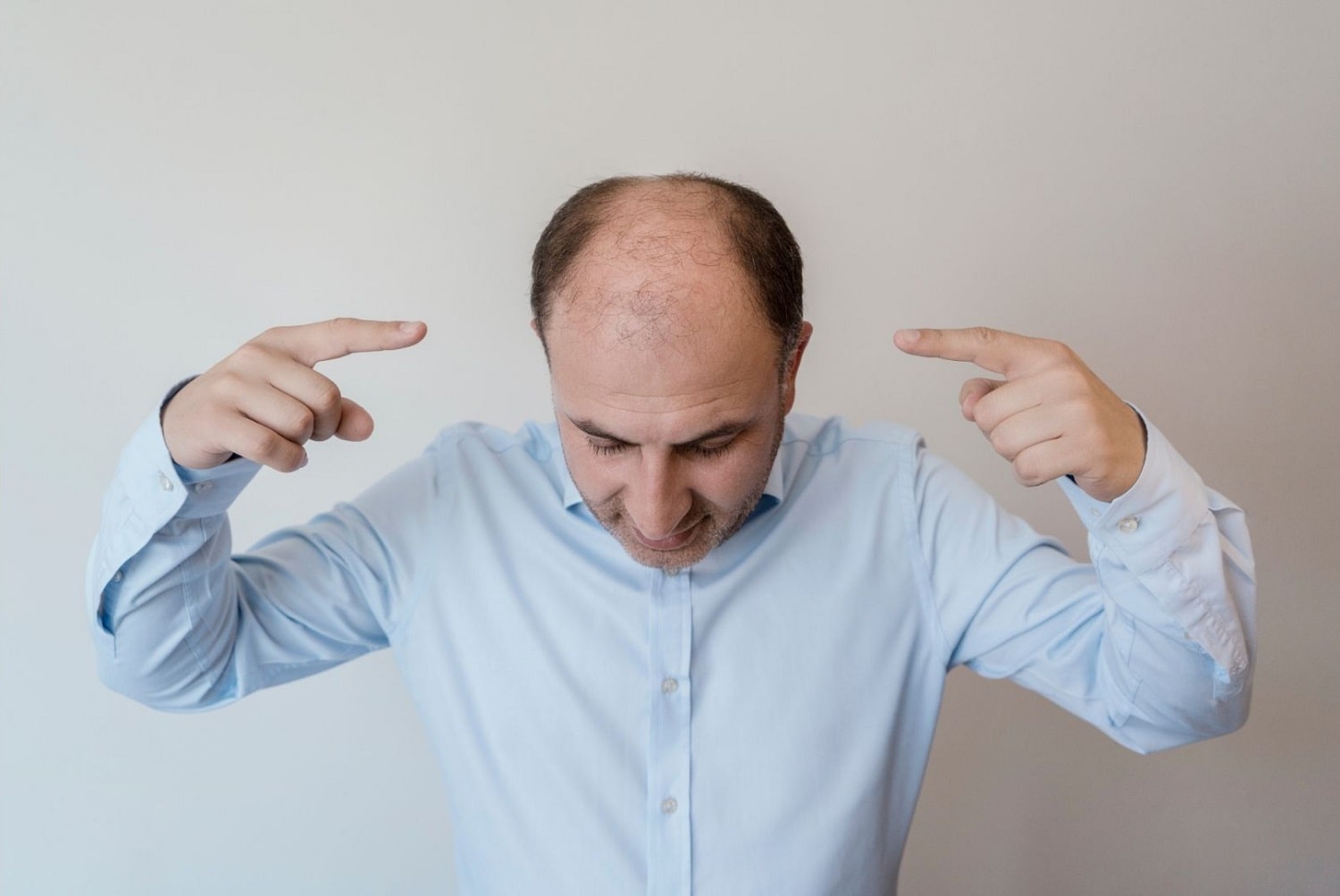
Causes of hair loss
Hair loss can have a genetic cause, most commonly androgenetic alopecia. Other causes include stress, dietary deficiencies (such as iron, vitamin D, or protein), autoimmune diseases (e.g., lupus erythematosus), and the side effects of medications or medical treatments such as chemotherapy.
Androgenetic alopecia
One of the most common causes of hair loss in both men and women is androgenetic alopecia . People whose parents or grandparents struggled with androgenetic alopecia have a higher risk of developing this type of hair loss. It can begin at any age, often in adulthood, but sometimes even during adolescence. It is associated with the influence of androgen hormones, primarily dihydrotestosterone (DHT), on hair follicles. The follicles gradually miniaturize, leading to a shorter hair growth phase (anagen) and a longer resting phase (telogen). This process results in the production of increasingly thinner and shorter hairs, until hair growth ceases completely.
Symptoms and types of alopecia
Hair loss symptoms can vary depending on the cause. Androgenetic alopecia is typically characterized by gradual thinning of hair on the top of the head in men and thinning around the parting in women. Alopecia areata, which results from an autoimmune attack on hair follicles, leads to the formation of round, bald patches on the scalp. Hair loss can also be diffuse, meaning hair thins evenly across the entire head.
Diagnostics and research
Hair loss diagnosis typically begins with a consultation with a dermatologist or trichologist , who will conduct a thorough interview and physical examination. The doctor may order blood tests to rule out vitamin and mineral deficiencies, thyroid dysfunction, and other conditions that may affect hair health. A hair analysis, such as a trichogram or hair element analysis .
Hair loss treatment
For androgenetic alopecia, medications are available that can help slow hair loss and stimulate hair growth. In the case of dietary deficiencies, diagnosis is important, as supplementation with appropriate vitamins and minerals and appropriate care may be necessary. Therapies such as mesotherapy, LED light therapy, or even hair transplantation may also be considered, depending on the patient's individual needs and health status.
Hair loss leading to alopecia is a complex problem that can have numerous causes and requires an individually tailored approach. It's important for people experiencing this problem to consult a doctor immediately to determine the cause and begin appropriate treatment. Regular checkups and proper care can significantly help manage this condition.