
Bloating - causes, ways to get rid of gas
Bloating, or the excessive accumulation of gas in the intestines, is a common problem that can cause significant discomfort. Bloating can lead to feelings of fullness, tension, abdominal pain, and frequent passing of gas. There are many causes of this problem and various methods for relieving it.
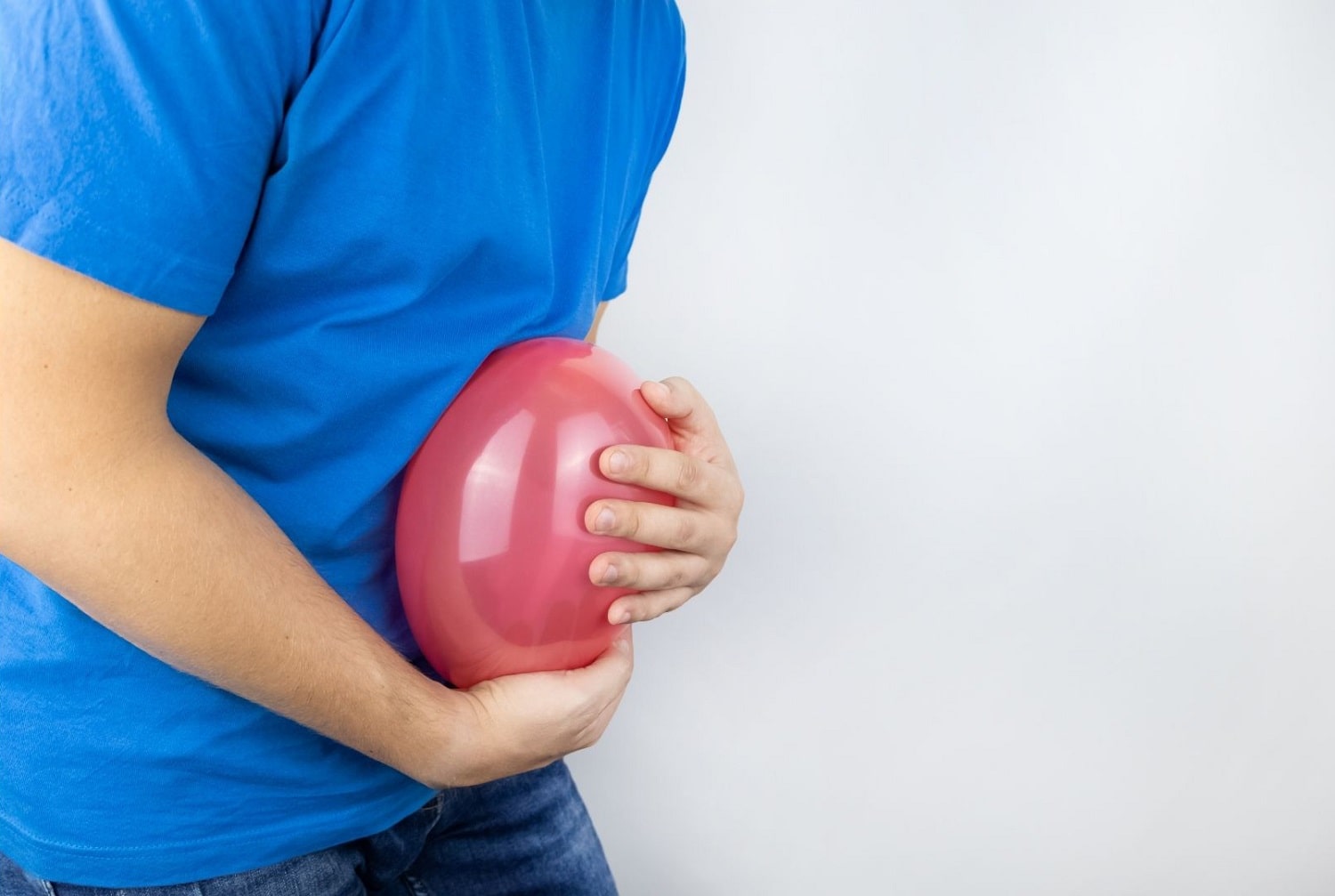
Causes of abdominal bloating and gas
Intestinal gas is caused by intestinal bacteria fermenting undigested food particles (especially carbohydrates). Abdominal bloating , or excessive gas in the intestines, is often caused by an unhealthy diet. Eating high-fiber foods like legumes, cabbage, broccoli, or drinking carbonated beverages can lead to bloating and gas. Other causes include swallowing air while eating (especially when eating in a hurry or talking while eating), food intolerances (e.g., lactose or gluten), as well as intestinal inflammation or impaired intestinal motility, and digestive disorders such as:
- Irritable bowel syndrome (IBS),
- inflammatory bowel diseases (IBD), such as Crohn's disease and ulcerative colitis,
- small intestinal bacterial overgrowth (SIBO).
Symptoms associated with flatulence
Bloating may be accompanied by other unpleasant symptoms, such as a feeling of fullness, abdominal discomfort, and sometimes abdominal pain . You may also experience rumbling stomach sounds, increased gas production, and bowel irregularities. When bloating is caused by a digestive disorder or illness, other symptoms may also occur, such as diarrhea, constipation, and general fatigue.
Diagnosis of flatulence
Diagnosing bloating usually begins with a thorough medical history and physical examination. Your doctor may order additional tests, such as food intolerance , blood tests (to rule out inflammation or other disorders), and imaging tests , such as an abdominal ultrasound a gastroscopy or colonoscopy may be recommended .

Recommendations and ways to deal with bloating
Bloating can be effectively treated with dietary and lifestyle changes. Start by chewing your food thoroughly and slowly and avoiding foods that cause gas. Keeping a food journal to identify foods that trigger symptoms or testing for food intolerances . Probiotics can also help regulate gut flora and reduce gas production.
If bloating is frequent and particularly bothersome, it's recommended to consult a doctor to rule out more serious health issues and ensure effective treatment. In some cases, your doctor may recommend appropriate treatment or medications to regulate intestinal motility. Taking care of your digestive system and eating a proper, balanced diet can significantly improve your quality of life if you experience persistent bloating and gas.