
SIBO, the hidden enemy of the intestines - symptoms, treatment
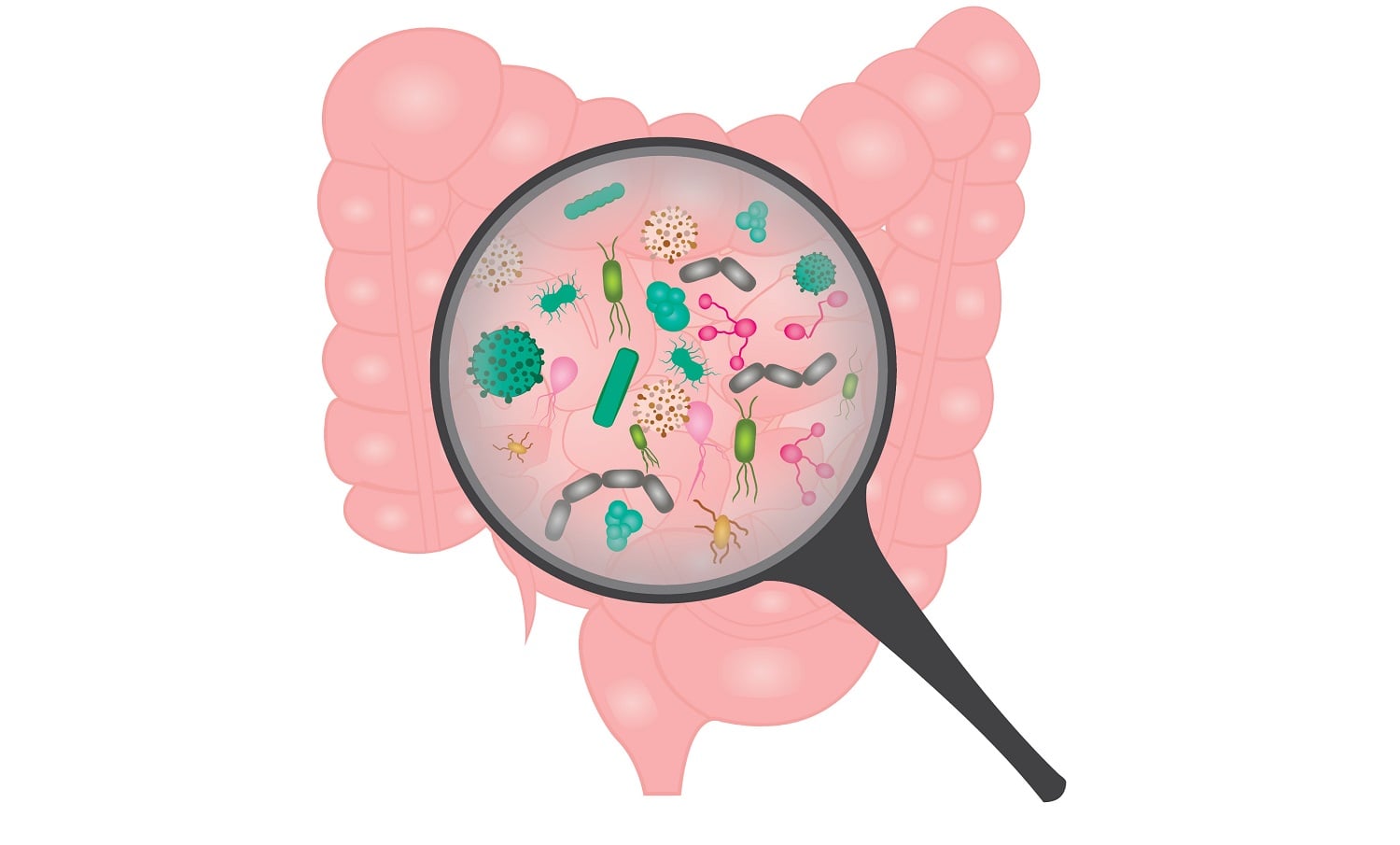
SIBO stands for small intestinal bacterial overgrowth, a condition characterized by abnormal growth of the overall bacterial population in the small intestine. This leads to excessive microbial growth in the digestive tract, which in turn leads to bacteria metabolizing carbohydrates from food. This condition causes excessive fermentation and other ailments, primarily intestinal ones. Ignoring symptoms or leaving a diagnosed SIBO untreated can lead to serious consequences.
In an interview with gastroenterologist Dr. Weronika Kaźmierak, we discover the secrets of SIBO and ways to deal with the disease.
Can a layman understand what SIBO syndrome is?
Yes, absolutely, and without a problem. Small Intestinal Bacterial Overgrowth (SIBO) is a condition in which the small intestine is colonized by an excessive number of bacteria, typically found in the colon (large intestine). Under normal physiological conditions, the small intestine contains a small number of aerobic and anaerobic bacteria. Defense mechanisms also function to prevent the formation of abnormal microflora, such as peristalsis, gastric acid and bile secretion, and IgA immunoglobulin. And when multiple factors disrupt the functioning of these protective barriers, the risk of disease increases.
There must be a cause or causes for bacterial overgrowth. Knowing the causes makes it easier to protect yourself.
SIBO can be caused by anatomical abnormalities, digestive system disorders, various diseases, and even medications. Typically, several causative factors contribute to the development of SIBO. Digestive system disorders, such as irritable bowel syndrome, diverticulosis, and radiation colitis, certainly increase the risk of symptoms. Anatomical abnormalities, or rather, abnormalities resulting from inflammation, adhesions, and intestinal fistulas after surgery, are also considered important. Congenital or acquired immune deficiencies are also considered risk factors. A 2019 study (Canadian Journal of Gastroenterology and Heatology) indicated that aging also increases the risk of SIBO.
You also mentioned diseases and medications that may contribute to the development of SIBO. What should we be aware of?
Presence of medical conditions such as diabetes, Crohn's disease, gastroesophageal reflux disease, Parkinson's disease, renal failure, cystic fibrosis, rosacea, and intestinal cancer increase the risk of SIBO. Indeed, medications also play a role, especially those that inhibit gastric secretion and cause hypoacidity, such as H2 receptor blockers and opioids.
So what are the symptoms of SIBO syndrome?
This isn't easy, as small intestinal bacterial overgrowth syndrome doesn't produce specific symptoms. The symptoms experienced depend on the number, type, and location of bacteria colonizing the intestine. In some people, the condition may be asymptomatic. However, patients typically report various problems that appear or worsen approximately 1-2 hours after a meal. The most common symptoms include bloating with associated constipation, abdominal pain, a feeling of fullness and excessive gas, nausea, and steatorrhea. Some patients complain of unexplained weight loss or increased abdominal circumference.
It's also important to remember that SIBO can interfere with the absorption of essential nutrients. The effects of malnutrition can range from subtle symptoms like fatigue to serious health problems like depression, anemia, and osteoporosis.
Does SIBO syndrome definitely require treatment or perhaps a proper diet?
Antibiotic therapy is considered the primary treatment. Diet, however, plays a crucial role in post-antibiotic therapy. It's crucial that it be tailored to the patient's individual needs, ideally under the supervision of a dietitian. It's fundamental to limiting foods containing fructose, lactose, and fat, so it's crucial to design a nutritional plan that provides the patient with the appropriate amount of minerals and nutrients. If vitamin and mineral deficiencies occur, supplementation is recommended.
LOW FODMAP diet
According to current research, the most effective treatment for SIBO is a low-FODMAP diet. It involves limiting easily fermentable carbohydrates. Therefore, it's recommended to avoid foods that cause gas, such as:
- garlic, onion, legumes,
- fermenting fruits including: peaches, cherries, plums,
- bread, except for that made from sourdough,
- it is better to choose dairy products without lactose,
- confectionery products with added sweeteners such as sorbitol, maltitol, xylitol, but also honey.
The diet of patients struggling with SIBO should be based on low-FODMAP foods , such as non-bloating vegetables and fruits, sourdough bread, lactose-free milk and dairy products, and sweeteners such as maple syrup, rice syrup, or table sugar . Maintaining a proper diet can alleviate the typical symptoms of SIBO or IBS. Lifestyle changes and healthy eating habits should be implemented permanently, as the condition often recurs.
If symptoms are nonspecific, how can SIBO be diagnosed?
The most important thing is to see a doctor immediately if you notice any disturbing symptoms. SIBO is diagnosed through breath tests, a gastrointestinal X-ray with contrast, examination of small intestine contents during endoscopy, and a trial of specific antibiotics. The preferred test is the non-invasive and safe hydrogen breath test. Before booking a test appointment, carefully read the test description, especially the section on preparation. The hydrogen breath test can be performed at our facility at 6A Zwycięska Street in Lublin.
We can't always prevent SIBO, but we can always take steps to improve our health. How can we prevent SIBO from developing?
The most important thing seems to be consuming foods that increase the diversity of gut flora. This includes vegetables, fruits, and whole grains. Prokinetics—drugs that accelerate gastrointestinal motility—are sometimes recommended. Managing other conditions that put the patient at risk for SIBO is crucial for preventing it. Effective treatment of conditions such as diabetes, Parkinson's disease, and others can reduce their impact on the digestive system.
The discovery of small intestinal bacterial overgrowth is relatively new, but knowledge about this phenomenon is becoming increasingly important. It's crucial not to ignore the problem and actively seek help, as it won't go away on its own. Start by getting tested for SIBO to identify the condition and identify its causes. Most importantly, take care of your overall health, including addressing your emotions and eliminating chronic stress.
Thank you for the interview
Frequently asked questions – FAQ
What is SIBO?
SIBO stands for small intestinal bacterial overgrowth, a condition in which there are too many bacteria in the small intestine. This can interfere with digestion and nutrient absorption.
What are the symptoms of SIBO?
Symptoms of SIBO may include bloating, gas, abdominal pain, a feeling of sloshing around in the intestines, diarrhea, constipation, nausea, burping, and a feeling of fullness after a meal.
What can cause SIBO?
SIBO can develop, among other things, with intestinal motility disorders, after certain surgeries, in the course of chronic diseases, with gastric hypoacidity, long-term stress or certain digestive disorders.
Can SIBO cause deficiencies?
Yes. In some people, SIBO can interfere with nutrient absorption and lead to deficiencies, including vitamin B12, iron, and fat-soluble vitamins.
How is SIBO diagnosed?
The most common method for diagnosing SIBO is a hydrogen-methane breath test with lactulose or glucose. The choice of test and interpretation of the results should be made by a physician.
How is SIBO treated?
SIBO treatment may include pharmacotherapy recommended by a doctor, dietary modifications, supplementation of deficiencies, and identification and treatment of the cause of recurrence. Treatment should be tailored to the individual.
Does diet help with SIBO?
Diet can alleviate the symptoms of SIBO, but it usually doesn't address the underlying cause. It's best to make dietary changes under the supervision of a dietitian or doctor to avoid deficiencies.
When should you see a doctor if you suspect SIBO?
It is worth seeing a doctor if bloating, abdominal pain, diarrhea, constipation, weight loss or symptoms of deficiencies persist, recur or significantly worsen daily functioning.