
Lyme disease – verdict after years
Symptoms, diagnosis and treatment
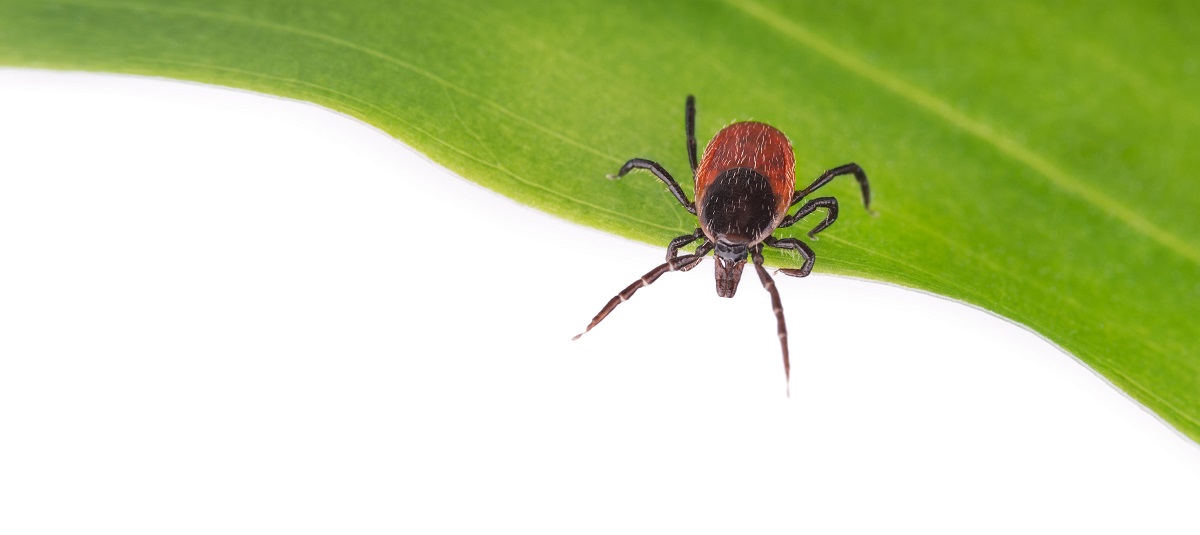
All it takes is a moment on a forest path, a picnic on the grass, or a walk with the dog, and you can become the victim of an inconspicuous attacker – a tick. These tiny arachnids carry the Borrelia burgdorferi, which causes Lyme disease. This highly ambiguous, sometimes asymptomatic disease can affect numerous systems and organs of the human body, such as the musculoskeletal system, the nervous system, or the heart, making diagnosis difficult with current diagnostic tests. For years, we struggle with symptoms wrongly attributed to stress, overload, or other conditions, unaware that their cause may be a tick-borne disease.
The Invisible Bite and the Insidious Symptoms of Lyme Disease
Many patients are unaware that they have been bitten by a tick. The parasites produce anesthetic substances that make the bite painless and easy to miss, especially since the tick falls off after a few hours. Erythema migrans (a reddened, brightening central area, typically appearing 2-30 days after the bite) characteristic of Lyme disease only occurs in some patients. Borrelia spp infection may be accompanied by a range of nonspecific symptoms that mimic other conditions, such as:
- chronic fatigue,
- feeling of “brain fog” – difficulty with concentration and memory,
- headaches and neck pain,
- muscle and joint pain that "wanders" from place to place,
- sleep disorders,
- irritability, low mood, depressive symptoms,
- tingling, numbness in the limbs,
- heart rhythm disturbances and dizziness.
It happens that the patient visits various specialists many times – a neurologist, a rheumatologist, a psychiatrist – before a carefully collected epidemiological interview includes Lyme disease in the tests.
Diagnosis and treatment of the disease
Can the body fight Lyme disease on its own?
– this question is answered by Dr. Romana Rolla-Szczepańska, MD
Can the body cope with Borrelia burgdorferi infection on its own?
This question is asked by many patients with positive serological tests. The answer is not clear-cut. The only clinical situation in which the diagnosis of Lyme disease is certain is the occurrence of erythema migrans.
In some patients, a tick bite and Borrelia spp infection do not lead to the development of erythema migrans or cause any clinical symptoms. Such cases remain undiagnosed. It's worth noting that only about 25% of people infected with Borrelia spp. develop Lyme disease. Crucially, however, recovering from Lyme disease does not result in immunity, meaning the risk of infection remains. One thing is certain: early antibiotic treatment of erythema migrans increases the chance of full recovery.
Does every tick carry Lyme disease?
No, although climate change, especially mild winters, favors the survival of subsequent generations of infected ticks and increases their population. It is estimated that in Poland, approximately 10–30% of ticks carry Borrelia spp. bacteria. The risk of infection increases if the tick remains attached to the body for longer than 24 hours (and according to other sources, up to 72 hours). Prompt removal of the parasite reduces the risk of bacterial transmission.
Does the rash always appear?
Erythema migrans is a typical lesion of Lyme disease. It is estimated to occur in only about 50% of infected individuals. Its absence does not rule out infection. Therefore, it is important to monitor one's well-being after contact with a tick and perform serological testing if alarming symptoms appear.
What tests should be performed for Lyme disease?
It's recommended to test for Borrelia antibodies no earlier than 4-6 weeks after a potential infection. The first step is to conduct a comprehensive diagnostic process, including testing for both Lyme IgM (recent infection) and IgG (previous infection). If the result is positive or questionable, it should be confirmed with another Western Blot. After this diagnostic step, your doctor will be able to decide on treatment for the infection.
Blood tests for Lyme disease can be performed at any LUXMED CM collection point.
If the result is inconclusive, you can consult an infectious disease doctor.
If the disease is confirmed, you can consult a specialist specializing in the treatment of Lyme disease.
Prevention: Your Best Weapon
The most important preventive measures are:
- wearing appropriate clothing when walking in the forest and meadows – light clothing, long sleeves, long trousers, headgear,
- using insect and tick repellents – preparations containing DDET (Icardin),
- carefully inspect the skin after returning from a walk, especially around the armpits, groin and skin folds,
- quick and correct removal of the tick with tweezers or a special device that can be purchased at the pharmacy.
| Important! Ticks should not be twisted, burned, or smeared with grease, gasoline, or alcohol, as this increases the amount of saliva and vomit produced by the tick, which increases the risk of transmitting tick-borne diseases to humans. |
Treatment and hopes for a vaccine
Lyme disease is treated with antibiotics (e.g., doxycycline, amoxicillin) taken for 2–4 weeks. Treatment is highly effective in patients with erythema migrans because it is certainly initiated early. A long-awaited breakthrough is on the horizon: the VLA15 vaccine. If studies confirm its effectiveness, it could be marketed in the EU as early as 2026. Simultaneously, research is underway on other strategies, including new antibiotics like Hygromycin B and a vaccine based on the CspZ protein, which can be used to activate the immune system before the bacteria spreads.