
Lyme disease – first symptoms, what tests should be performed, how to prevent tick bites?
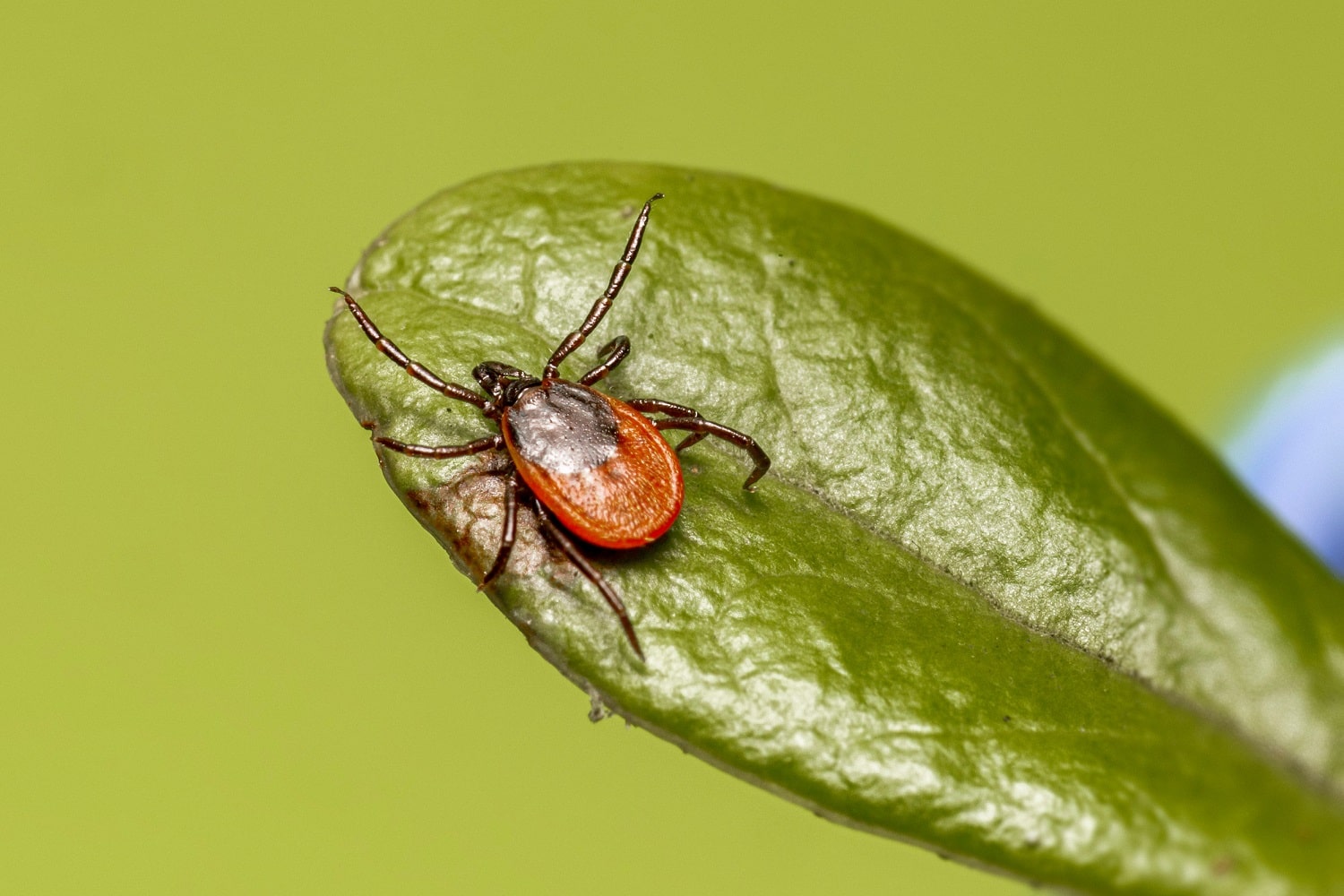
The risk of tick bites applies not only to people hiking in the forest, but also to those spending their free time in parks, allotment gardens, and other green spaces. The arachnids prefer areas of human skin with thin, well-vascularized skin, such as the neck, scalp, armpits, and groin.
They can cause dangerous diseases such as Lyme disease and tick-borne encephalitis.
The highest risk of being bitten by ticks occurs between mid-spring and mid-autumn, when ticks are most active. However, the threat of bites disappears only when temperatures drop below 4°C.
In this article, you'll learn how to recognize the alarming symptoms of tick-borne infections, what tests should be performed, and when. You'll also learn how to protect yourself from bites to prevent tick-borne diseases.
The first symptom of Lyme disease indicating infection – erythema migrans
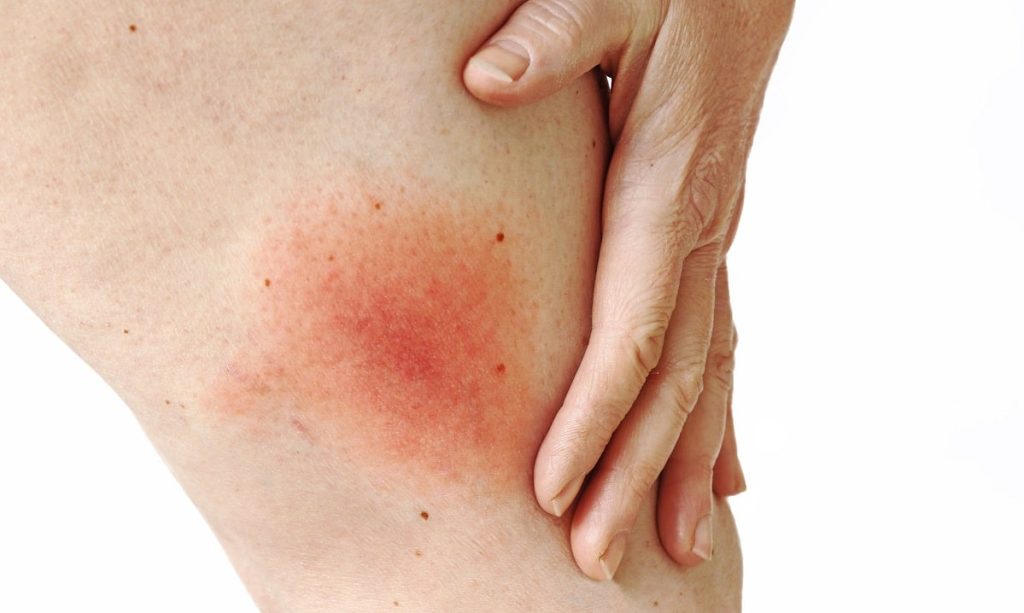
Erythema migrans is a large rash that appears at the site of a tick bite between 3 and 30 days after the bite. This period is most common between 7 and 10 days. The rash typically measures approximately 5 to 6.5 cm, but can reach up to 30 cm in width. In some people, the rash may begin to subside and develop into a rounded lesion. It then resembles a bull's-eye: a round or oval bite spot is in the center, followed by a pale ring. The rash is enclosed by a red ring that "migrates" and grows larger.
In people with dark skin, the lesion may resemble a bruise.
The rash may appear in more than one location on the body. It may feel warm to the touch and is usually not itchy or painful.
Is every tick bite rash a symptom of Lyme disease?
Most people experience redness or an itchy bump after a tick bite. This resembles a mosquito bite and does not indicate Lyme disease. This bump usually does not exceed 5 cm and is normal. However, the appearance of a symptom, such as erythema migrans, indicates Lyme disease.
A tick bite alone does not constitute illness. Lyme disease is caused by infection with the bacterium Borrelia burgdorferi, which is transmitted to humans through the bite of an infected tick.
How to prevent tick bites and tick-borne diseases such as Lyme disease?
To reduce the risk of being bitten by a tick, it is worth taking the following precautions when hiking:
- wearing long pants and long-sleeved shirts,
- using insect repellents,
- checking yourself and your children after returning home,
- checking pets after returning from a walk,
- placing clothes in the dryer for 10 minutes at high temperature.
What to do after a tick bite?
If a tick is attached to your skin, remove it as soon as possible. This can be done using a tick removal kit from the pharmacy or by consulting a doctor.
After removing the tick, you need to disinfect the bite site.
If symptoms of early infection appear, consult a doctor. Early symptoms of Lyme disease include muscle and joint pain, fever, fatigue, malaise, and erythema migrans. Additionally, enlarged lymph nodes may be observed.
What tests should be performed for Lyme disease?
Borrelia antibody testing should be performed no earlier than 4-6 weeks after potential infection. These are the current recommendations for diagnosing tick-borne diseases. It's best to perform a comprehensive diagnosis, meaning testing for both IgM and IgG Lyme antibodies. This will allow you to be sure whether the infection is recent or old. If the result is positive or questionable, it should be confirmed with another Western Blot test . After this diagnostic step, your doctor will decide on treatment for the infection.
You can have your blood tested for Lyme disease at any LUXMED CM collection point.
If the disease is confirmed, you can consult a specialist specializing in the treatment of Lyme disease.
You can't!
- lubricate the tick with grease or gasoline - blocking the tick's trachea causes the tick to vomit into our body, thus increasing the risk of infection with tick-borne diseases,
- twist and squeeze the tick - this may cause the abdomen to separate from the head, which will be difficult to remove,
- pull the abdomen - part of the tick may remain in the skin.
Frequently asked questions – FAQ
What is Lyme disease?
Lyme disease is a bacterial disease transmitted by infected ticks. It can affect the skin, joints, nervous system, and heart, so it's important to monitor your health after a tick bite.
What is the first symptom of Lyme disease?
One of the most characteristic first symptoms of Lyme disease is erythema migrans, which is an increasing redness of the skin at the site of the tick bite.
When does erythema migrans appear?
Erythema migrans can appear several to several dozen days after a tick bite. It usually grows gradually and is not always itchy or painful.
Does every tick bite rash mean Lyme disease?
No. Slight redness immediately after a bite may be a skin reaction. A cause for concern is a lesion that grows larger, persists for several days, or appears as erythema migrans.
Does the absence of redness rule out Lyme disease?
No. Erythema migrans does not occur in all infected individuals. Lyme disease can also cause flu-like symptoms, muscle and joint pain, fatigue, or neurological symptoms.
What tests should be done for Lyme disease?
Lyme disease is diagnosed using serological tests, most commonly IgM and IgG antibodies, and a confirmation test. The type of test and timing should be determined by a physician.
What to do after a tick bite?
The tick should be removed completely as soon as possible, the bite site disinfected, and the skin and general well-being of the person monitored for the next few weeks. Do not apply grease or alcohol to the tick before removal.
How to prevent tick bites?
It is worth wearing covered clothes, using repellents, avoiding tall grass and bushes, and after a walk, carefully inspecting your skin, especially around the armpits, groin, neck, head and joint bends.