
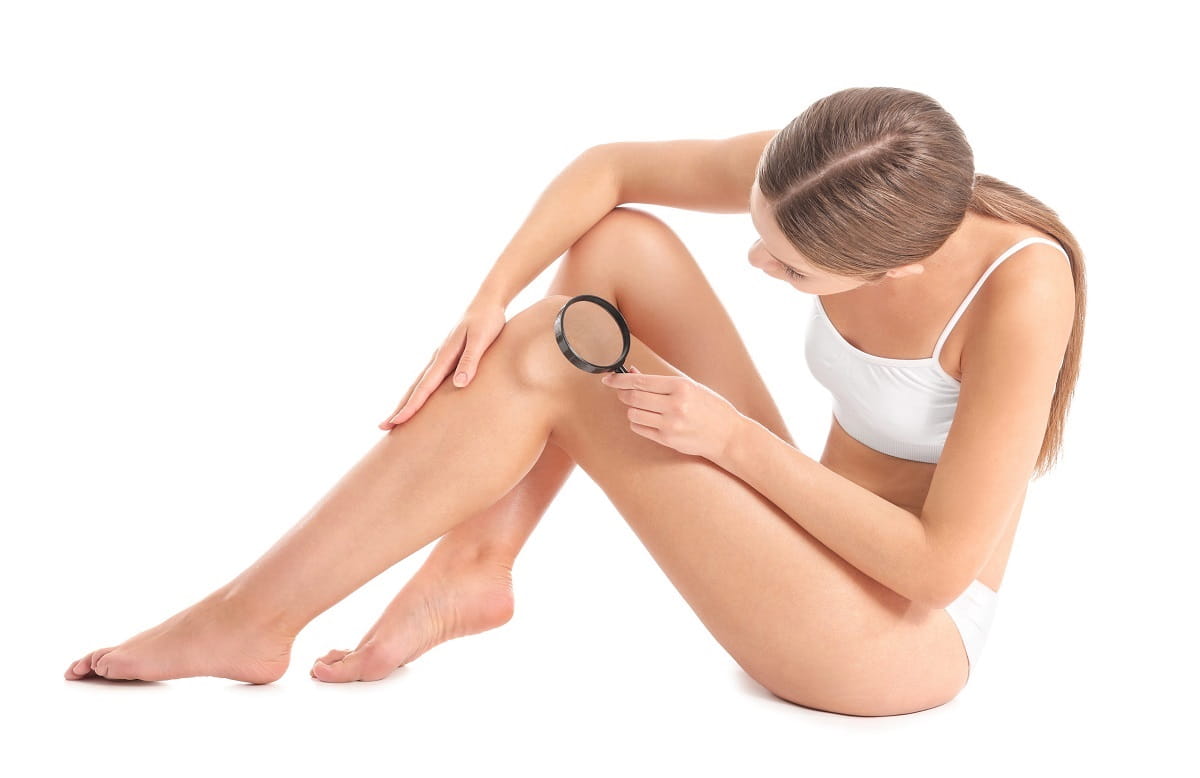
From Spider Veins to Varicose Veins - Causes and Symptoms of Spider Veins and Varicose Veins on the Face and Legs
Telangiectasias, also known as broken capillaries, are dilated blood vessels, visible as red and blue veins. They are unsightly and can lead to serious illnesses. They are usually ignored because they do not cause additional symptoms.
We talk about spider veins and varicose veins with aesthetic and family medicine doctor Dorota Tatarska-Jojczuk.
How are spider veins formed?
Spider veins are simply broken capillaries, also known as telangiectasia, which most commonly occur on the face and legs – where the skin's vascularization is shallowest. Because of their appearance, broken capillaries on the legs are also called spider veins.
They most often appear on the thighs and calves, behind the knees, and around the ankles. They are a consequence of fragile blood vessel walls that break beneath the surface of the epidermis. Their formation can occur for several reasons.
In this case, the following are not without significance:
- gender (they affect women more often),
- genetic predisposition (shallowly arranged and dilated blood vessels)
- abnormalities in the quantitative composition of collagen in the vessel walls
and:
- circulatory disorders, venous hypertension
- hormonal disorders (changes in estrogen levels).
In addition, the following contribute to the formation of spider veins:
- lack of regular physical activity
- remaining in a sitting or standing position for a long time
- crossing legs
- increased blood pressure
- skin exposure to the sun
- obesity, overweight
- improper diet causing constipation
- alcohol consumption
- smoking cigarettes
- excessive stress
- use of certain medications, including oral contraceptives
- previous injuries, lower limb surgeries
- pregnancy
They are often the first symptom of developing varicose veins. Varicose veins, in turn, can lead to chronic venous insufficiency. One in three women and one in five men struggle with varicose veins.
How to get rid of spider veins?
Laser blood vessel closure is an effective treatment option. Utilizing laser technology and pulsed light, the device provides comprehensive and effective services, even on thin and delicate skin. An advanced cooling system ensures a safe and comfortable treatment.
Before the procedure, I conduct a consultation to rule out any contraindications and determine your eligibility for the procedure. Then, based on your individual needs, I select the optimal laser parameters. The procedure itself involves injecting a beam of light into the skin at the affected area. Lasting results are visible within a few weeks of the first session.
We already know how to get rid of unsightly spider veins, but what if we already have varicose veins? How do they form?
Varicose veins are enlarged veins that bulge beneath the skin's surface. They result from the malfunction of venous valves, which prevent blood from flowing backward. These valves are assisted by the contractions of the leg muscles, activated by movement. If the valves malfunction, blood stagnates or backflows. This causes blood to pool in the veins, leading to varicose veins. Biochemical processes, such as impaired programmed cell death and enzyme dysfunction, are also thought to be responsible. It is also suspected that inflammation in the vessel wall may also contribute to varicose veins.
In addition to visible changes, varicose veins may be accompanied by the following symptoms:
- pain
- feeling of tension
- swelling
- skin discoloration and hardening
- burning, tingling, itching.
Untreated varicose veins can result in venous ulceration and thrombosis. Varicose veins absolutely require treatment.
How to diagnose varicose veins?
The basic examination is a physical examination, which is usually sufficient to make a proper diagnosis. Additionally, a Doppler ultrasound of the veins and arteries (Doppler ultrasound) is performed. The test is safe, painless, and requires noprior patient preparation.
How to treat?
In the initial phase of telangiectasia treatment, compression therapy methods are effective. These involve wearing compression accessories that support the circulatory system of the lower limbs, such as knee-high socks, stockings, and tights with varying degrees of compression. Small varicose veins are treated with sclerotherapy, a method that involves the introduction of a chemical agent to close the dilated vessels.
In the case of extensive varicose veins, surgical treatment methods are used.
How to prevent spider veins and varicose veins?
Effective prevention of spider and varicose veins is possible and often involves changing daily habits. It includes:
- regular, moderate physical activity (e.g. walking, swimming, cycling),
- maintaining a healthy body weight,
- a diet rich in fiber, zinc and vitamin C,
- proper hydration of the body,
- avoiding tight clothes and high-heeled shoes,
- limiting sun exposure,
- limiting alcohol consumption and smoking.
It's important to remember that the mere appearance of spider veins can indicate venous insufficiency. Therefore, it's worth discussing these changes with your doctor. Specialists such as vascular surgeons, angiologists, and phlebologists specialize in the prevention and treatment of venous diseases.
Thank you for the interview
At the Luxmed Medical Center's Vascular Surgery Clinic, we diagnose and treat peripheral vascular disease, performing specialized ultrasound examinations and Doppler ultrasound of veins and arteries.
Laser procedures for closing blood vessels are performed at
Med Estetyki, located at Orkana Street 7 in Lublin.