
Malaria in the tropics: Should we be concerned about this disease?
Travel is a modern way to relax, satisfy curiosity, make new friends, and admire the colors of the exotic world. Exoticism is alluring, but exoticism requires knowledge of climatic conditions, general information, and, above all, awareness of the potential for illness in a given area, including knowledge of how to avoid the main tropical disease – malaria.
Malaria (formerly known as fever) is the most common disease in the world. It affects over 200 million people annually and kills nearly 620,000 people worldwide. Several thousand cases of malaria are reported annually, imported from endemic regions, primarily Africa. Malaria is the leading cause of death among travelers. Several dozen cases of malaria are reported in Poland each year.
What is malaria?
Malaria is a vector-borne disease caused in humans by five species of single-celled protozoan – Plasmodium: falciparum (Plasmodium falciparum), vivax (Plasmodium motile), malariae (Plasmodium banded), ovalae (Plasmodium ovale), knowlesi (Plasmodium simian) – a zoonosis.
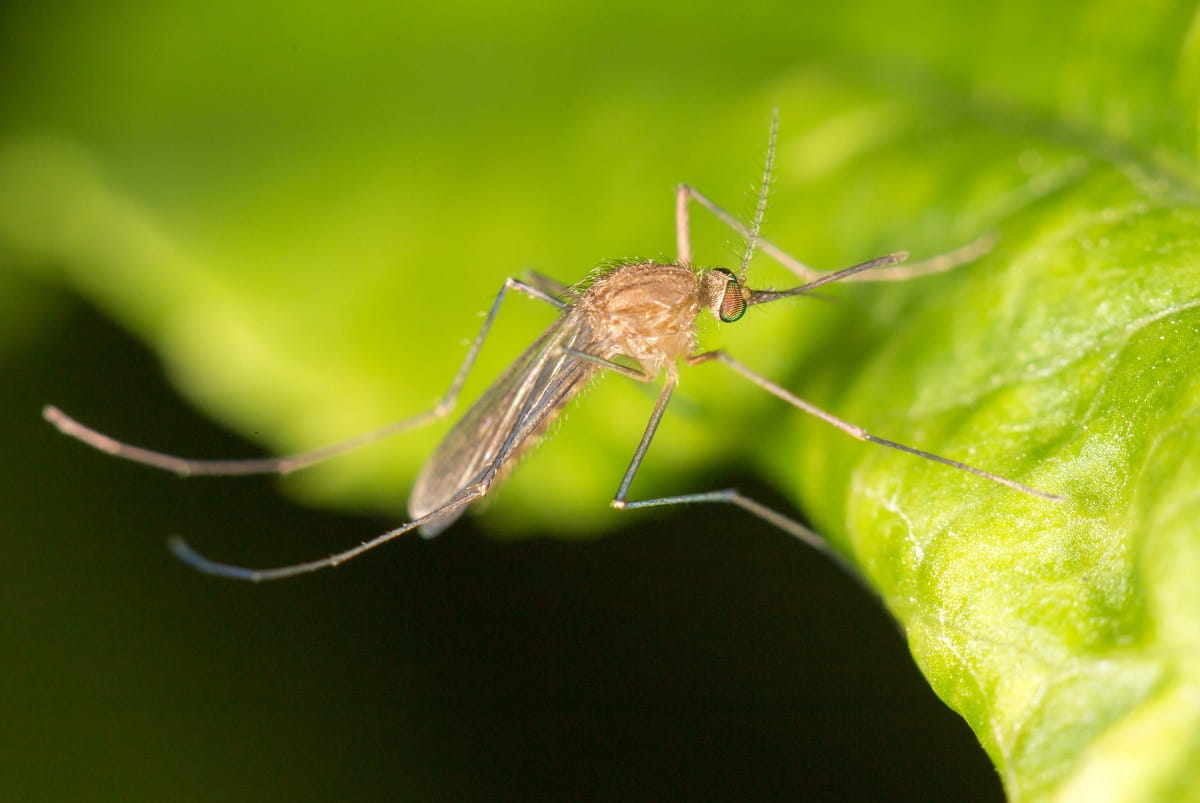
Plasmodium infection occurs when a vector, a female Anopheles mosquito, bites and introduces the invasive form of the protozoan into the circulation. Infection is also possible through blood transfusions containing infectious forms or through vertical transmission, i.e., mother-to-fetus transmission. The target sites for the parasite are the liver and red blood cells.
What are the symptoms of malaria disease?
Clinical symptoms of malaria appear, depending on the species of parasite, between 9 and 40 days after infection.
The first symptoms of the disease include:
- fever with chills and sweats,
- headache and muscle pain,
- malaise, general weakness.
Patients may also complain about:
- nausea and vomiting,
- diarrhea,
- shortness of breath,
- dry cough,
- jaundice.
What are the symptoms of malaria and when might they appear?
Initial symptoms are nonspecific. They can easily be confused with a viral infection or the flu. After a few days, they are joined by fever attacks, usually lasting 4-8 hours (with a cold phase with chills and a feeling of cold, followed by a hot phase with a fever up to 41°C, and a subsiding phase with a rapid drop in body temperature and drenching sweats). Fever attacks occur cyclically, depending on the species of parasite, every 48-72 hours or every 24 hours in the case of Plasmodium knowlesi , or are irregular in malignant malaria (caused by Plasmodium falciparum), which carries a risk of severe complications and high mortality.
When to go to a travel medicine clinic?
Clinical symptoms of malaria can be very diverse, so any symptom experienced by a person returning from the tropics may be due to malaria, and early diagnosis and prompt treatment are crucial to the patient's survival. Therefore, any symptom in this group of patients requires the exclusion of malaria. Consultation with a doctor, preferably a travel medicine specialist, is essential. Prompt initiation of appropriate treatment most often leads to complete recovery from malaria. However, it is important to remember that severe forms of malaria can be fatal.
Where does malaria occur?
The malaria vector is the female anopheles mosquito. They typically inhabit regions of countries located up to 2,000 meters above sea level (with the exception of some regions of Afghanistan, Bolivia, Ethiopia, Eritrea, Kenya, and Pakistan, which are also above 2,000 meters above sea level), where the temperature remains above 20-30°C and does not drop below 16°C. Furthermore, proximity to water ensures the complete life cycle of the mosquito.
Malaria occurs in:
- Africa (95%): Nigeria, Angola, Democratic Republic of Congo, Uganda, Burkina Faso
- South Pacific Islands: Papua New Guinea
- Pakistan
- Indonesia
- Yemen
- Venezuela
- India.
The risk of malaria infection increases significantly in young children (high risk of death), pregnant women and people with weakened immune systems.
How to prevent malaria in tourists?
Basic preventive measures include:
- Awareness of the threat of malaria and basic knowledge of the clinical symptoms of the disease;
- Protection against mosquitoes – appropriate clothing, window nets, mosquito nets, air conditioning and the use of repellents and insecticides;
- Prophylactically taking antimalarial medications recommended by a travel medicine specialist and following the rules for taking them.
It's important to remember that the use of protective measures and malaria chemoprophylaxis does not 100% prevent malaria. To date, no effective malaria vaccine has been developed. If the disease is suspected, prompt treatment is crucial, which means immediate medical attention.
ARTICLE EXPERT
Dr. Romana Rolla-Szczepańska, MD, PhD,
Infectious Diseases Specialist