
Lung cancer symptoms – when should you urgently consult a thoracic surgeon?
A thoracic surgeon is a doctor who specializes in operations on the organs of the chest – primarily the lungs, but also the thyroid, thymus, changes in the mediastinum and chest deformities.
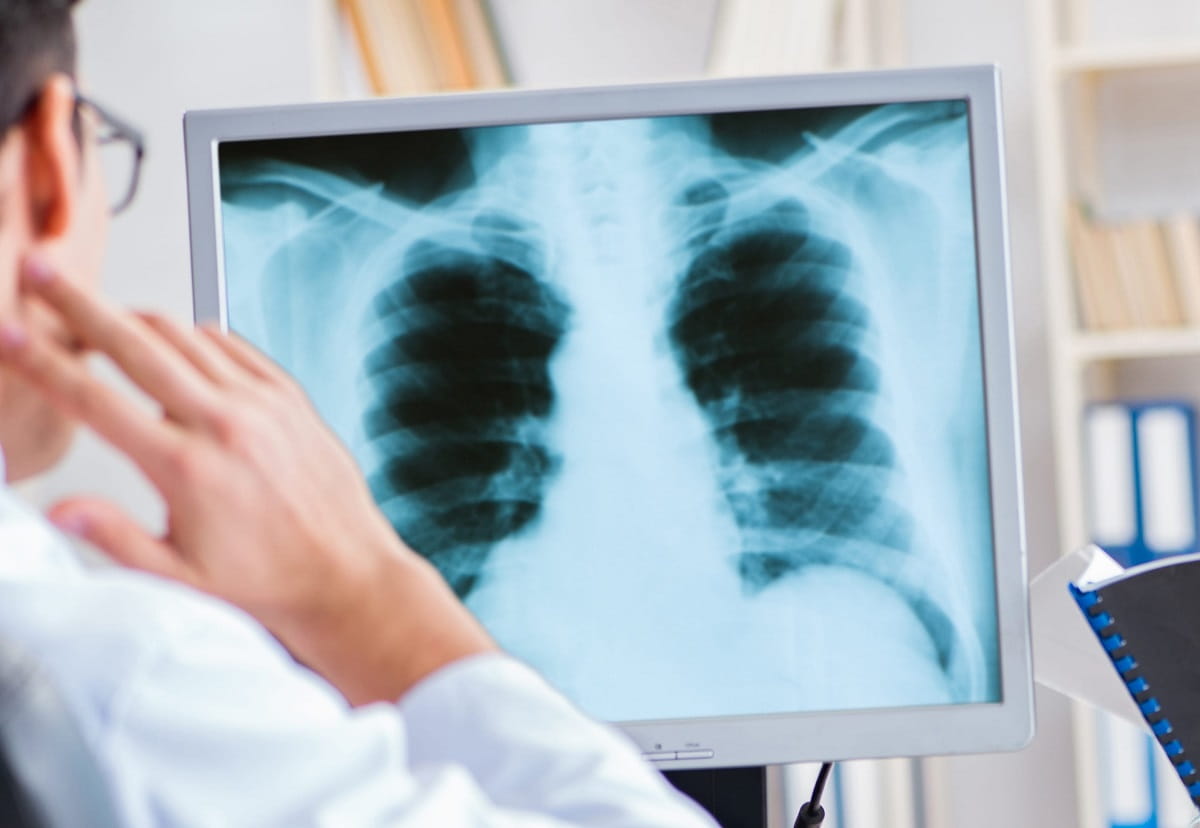
A thoracic surgeon primarily evaluates the results of a chest computed tomography (CT) scan, which allows for a detailed and accurate analysis of lung lesions. Some of these lesions can also be seen on a chest X-ray, which is often performed as the first test when lung disease is suspected.
Patients with a variety of chest conditions are referred to a thoracic surgeon, including those suspected of having lung cancer. In cases of lung cancer, thoracic surgeons play a crucial role, as surgery is the primary treatment modality in the early stages of the disease.
Lung cancer – a serious problem
Lung cancer is one of the most common malignancies and the leading cause of cancer-related deaths in Poland. Smoking is a major risk factor, although lung cancer also occurs in nonsmokers. Unfortunately, this cancer may not produce any obvious symptoms for a long time, which means it is often detected late. Late diagnosis of lung cancer, i.e., detection in advanced stages, results in significantly poorer treatment outcomes – on average, only about 15% of patients survive five years after diagnosis.
Early diagnosis and surgery are key
Early detection of lung cancer and prompt consultation with a thoracic surgeon are crucial. The less advanced the disease at diagnosis, the greater the chances of successful surgical treatment and a permanent cure. Unfortunately, only about 20% of lung cancer patients qualify for surgery. In this group, treatment outcomes are significantly better – up to 75% of surgically treated patients survive for five years or longer. This clearly demonstrates the importance of rapid diagnosis and early intervention.
Disturbing symptoms of lung cancer
It's important to be aware of the symptoms that may indicate lung cancer. People over 50 and long-time smokers should be especially vigilant. The most common symptoms of lung cancer include:
- chronic cough that does not go away or gets worse,
- recurrent respiratory infections (e.g. frequent bronchitis or pneumonia),
- dyspnea (feeling short of breath),
- hoarseness lasting more than 2 weeks,
- coughing up blood (hemoptysis),
- loss of appetite and significant weight loss,
- chronic fatigue and weakness.
It's important to remember that the symptoms mentioned don't automatically indicate cancer – they're more often caused by other, less serious conditions. However, any of these symptoms should prompt a visit to a doctor, who will order appropriate tests. If lung cancer is suspected, the patient will be referred to a thoracic surgeon for further diagnostics and possible surgical treatment.
What does thoracic surgery involve?
The primary treatment for early-stage lung cancer is surgical removal of the tumor along with part of the lung. Depending on the location and extent of the lesion, a thoracic surgeon may remove a segment of the lung, an entire lobe, or in some cases even the entire lung to remove the tumor with an adequate margin of healthy tissue. During the surgery, nearby lymph nodes are also removed to precisely assess the stage of the disease and the potential spread of the cancer.
Modern thoracic surgery increasingly utilizes minimally invasive techniques, such as video-assisted thoracoscopy (VATS) and robotic-assisted surgery (RATS), which allow for precise surgery with minimal tissue trauma. These modern methods allow patients to recover faster and experience fewer postoperative symptoms. The thoracic surgeon determines the specific treatment modality, taking into account the stage of the disease, the patient's overall health, and the patient's respiratory function.
Don't delay your consultation!
If you experience troubling symptoms or suspect lung cancer, don't delay seeing a doctor. The earlier the cancer is detected, the greater the chances of successful treatment. Your family doctor or pulmonologist will refer you to a thoracic surgeon if necessary. Remember: prompt diagnosis and intervention by a thoracic surgeon can save lives.
Dr. Robert Chudzik, MD, PhD,
Specialist in Thoracic Surgery (Thoracic Surgeon)
Consultations are available at CM Luxmed, ul. Koncertowa 4d in Lublin