
Why Does Endometriosis Go Undiagnosed for So Long? A Physiotherapist's Perspective: Urogynecological Symptoms, Treatment
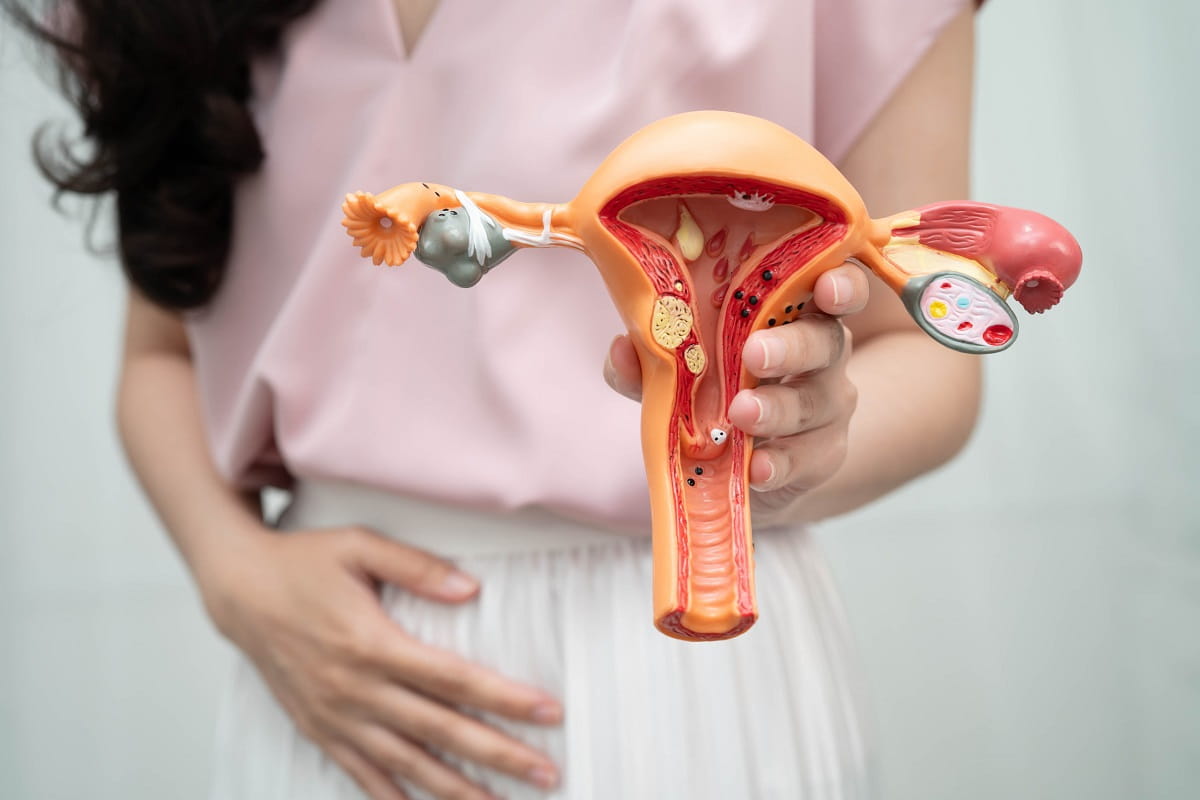
Endometriosis is a chronic inflammatory disease in which endometrial-like tissue develops outside the uterine cavity, including in the pelvis, intestines, bladder, and ligaments. These changes can lead to inflammation, fibrosis, and adhesion formation, disrupting the functioning of numerous systems. It is estimated that endometriosis affects up to 10% of women of reproductive age, yet on average, several, sometimes even a dozen, years pass between the appearance of the first symptoms and diagnosis.
From a urogynecological physiotherapy perspective, this is one of the most common causes of chronic pelvic pain, which remains undiagnosed for a long time.
When pain becomes "inscribed in femininity"
One key reason for delayed diagnosis is the normalization of menstrual pain. Many women, from adolescence onward, are told that painful periods are normal. As a result, symptoms can be masked for years with pain medications or hormone therapy, without further diagnostic workup.
This approach often provides only short-term relief. Chronic, untreated pain can lead to hypersensitivity of the nervous system and a gradual spread of symptoms. This phenomenon is well documented in chronic pain research and is frequently observed in everyday clinical practice.
Endometriosis symptoms that are easy to miss
Endometriosis rarely produces a single characteristic symptom. It often manifests itself through symptoms affecting various systems, which are sometimes diagnosed separately. In many cases, the initial symptoms are nonspecific and easy to ignore.
Alarm signals that should prompt further diagnosis include:
- painful periods and severe ovulation pain,
- pain during or after intercourse,
- chronic pain in the pelvis, sacrum or hips,
- pain during defecation or urination, especially if it increases cyclically, -
intestinal problems depending on the phase of the cycle, -
feeling of constant tension in the pelvic floor,
- chronic fatigue with no apparent cause.
Changes may also affect the ovaries, where endometrial cysts form, as well as other organs where disease foci develop.
Urogynecological physiotherapy often reveals increased pelvic floor muscle tension, limited tissue mobility, and impaired diaphragm function. These changes are usually secondary and represent the body's response to long-term pain, the presence of endometriosis, and cellular inflammation.
Diagnostics of endometrial diseases
A significant problem in diagnosing endometriosis remains the limited sensitivity of standard imaging tests. A normal ultrasound or MRI does not rule out endometriosis. MRI should be performed according to a dedicated endometriosis protocol, which allows for the assessment of deeply infiltrating lesions and involvement of the intestines, bladder, or pelvic ligaments.
Not every center has the appropriate protocol and experience, which can lead to a false sense of security. Therefore, a thorough clinical interview, i.e., a consultation conducted by a physician, and the collaboration of a team of specialists are crucial.
The role of physiotherapy in the diagnosis of the disease
Urogynecological physiotherapy does not replace medical diagnosis, but it is often an important element of the entire process. Functional assessment allows for the identification of pain patterns and tension disturbances that are not always visible on imaging tests. In practice, this is often the first time that a patient's symptoms are linked to possible endometriosis.
Regardless of the cause of the disease, awareness shortens the path to help
In many cases, knowledge and vigilance allow for faster referral to a specialist. Early diagnosis by a doctor can limit the progression of lesions, reduce the risk of chronic pain, fertility problems, difficulties conceiving, and significantly improve quality of life.
Raising awareness among both patients and specialists is one of the most important steps in shortening the path to diagnosis.
Adrianna Gęborys, M.A.
Physiotherapist at CM Luxmed
Lublin, Zwycięska 6A