
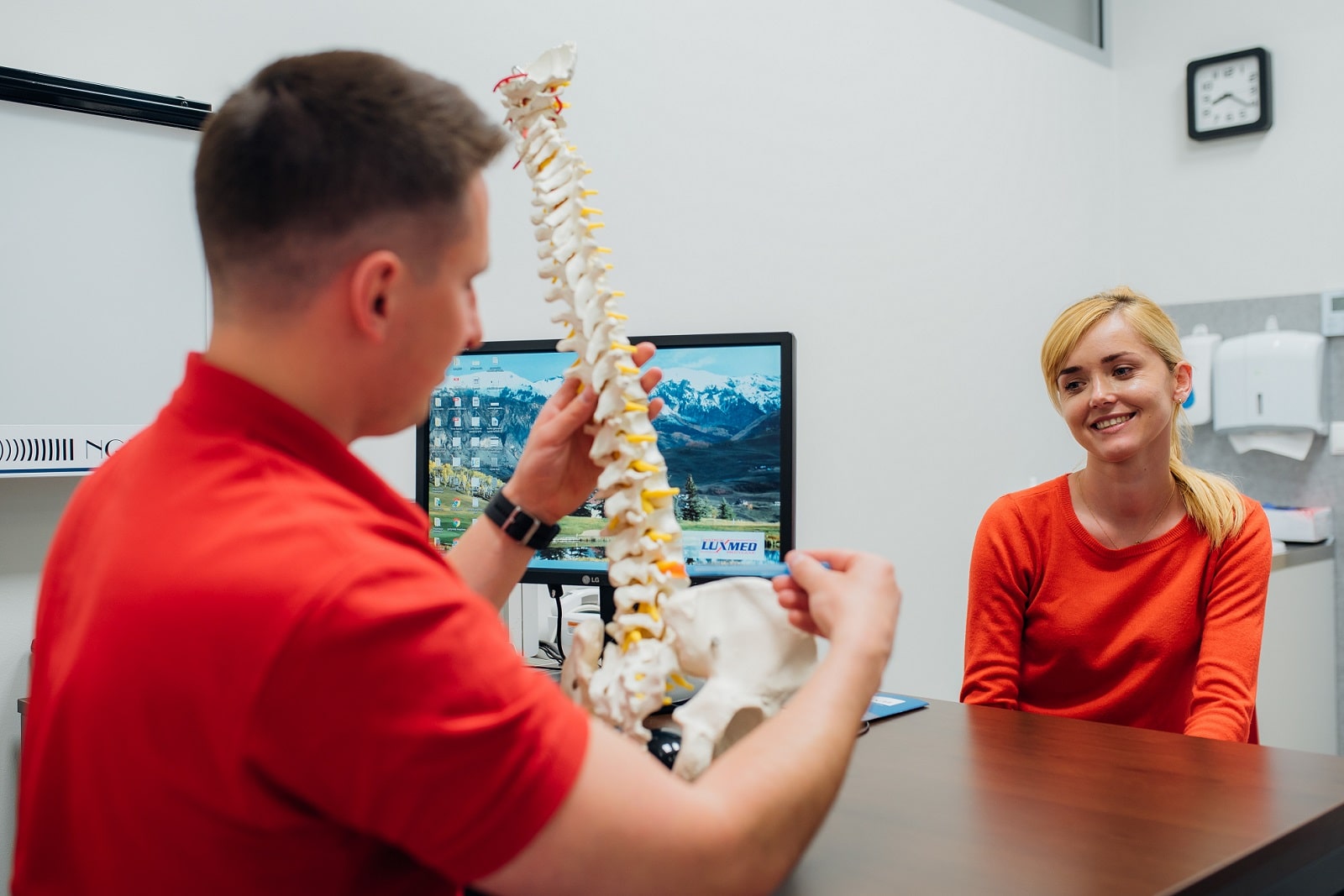
Physiotherapist's advice - a shorter path to rehabilitation
Physiotherapy, while still a relatively new field in the medical world, is developing at a dizzying pace. More and more people are realizing its irreplaceable importance in treating a variety of ailments. Crucially, physiotherapy offers effective methods for reducing pain and halting the progression of disease, and importantly, in most cases, without any side effects. This is because each treatment plan is individually tailored to the patient, taking into account not only their current health condition but also age, other diseases, and potential risk factors.
Modern physiotherapy has advanced to a level where physiotherapists have the right to independently conduct physiotherapy. They can plan therapy based on their extensive experience and knowledge, taking into account medical diagnoses. If you're considering seeking the advice of a physiotherapist, it's worth knowing that you can do so both privately and through the National Health Fund.

Paid physiotherapy is a shortened path to rehabilitation
When is a direct visit to a Physiotherapist the ideal solution?
There are situations in which you can benefit from rehabilitation without the need for a referral from a specialist. This is an excellent solution for saving time and energy. Below are situations in which direct advice from a physiotherapist may be ideal for you:
- When time is of the essence: If you are struggling with symptoms but do not want to wait for an appointment with a specialist, such as an orthopedist, you can go straight to a physiotherapist.
- Unknown Causes of Pain: Are you experiencing unpleasant symptoms but aren't sure exactly what's causing them? A physical therapist is here to help. A professional diagnosis and a tailored treatment plan may be just what you need.
- Neurological problems: If your symptoms involve the nervous system, such as multiple sclerosis, amyotrophic lateral sclerosis, or stroke, a physiotherapist can also help. During your appointment, the expert will recommend appropriate treatments.
Remember that early action can bring significant relief and speed up the recovery process.
You can book an appointment with a physiotherapist in Lublin online – without the need to visit a specialist doctor first
The physiotherapist will plan your treatments
The physiotherapist's advice is key to the success of your entire rehabilitation treatment. During your visit, the physiotherapist will:
- conducts a patient health assessment , which includes an interview, a clinical examination, and functional tests. The patient receives information about their health status.
- In the next step, the physiotherapist determines the type and schedule of treatments appropriate to the patient's current functional status. This is a key step that allows for an individualized approach to the patient's health problems.
What's new is that treatments don't have to be performed daily (as was the case previously). Private patients can schedule them in the number and intervals appropriate to their specific problem, meaning over three, five, or more days as needed, every other day, or even once a week.
How to benefit from rehabilitation under the National Health Fund?
If you are a patient considering rehabilitation through the National Health Fund (NFZ), certain steps are necessary to complete the entire treatment process. Below, we present the most important information regarding using this form of support:
- Rehabilitation referral: To benefit from free rehabilitation, you must have a referral from your primary care physician or a specialist, such as an orthopedist or neurologist. This is the basic document enabling access to physiotherapy services covered by the National Health Fund.
- Physiotherapist's Advice: If you haven't been following changes in the healthcare system, it's worth knowing that significant modifications have been made to the rehabilitation process since 2019. Patients referred by a doctor for rehabilitation under the National Health Fund are now referred directly to a physiotherapist.
- Purpose of the visit: During the meeting with the physiotherapist, which takes place on a previously agreed date, the main goal is to carefully plan the entire rehabilitation process.
A physiotherapist can only plan a series of treatments for a period of ten days if the treatment is covered by the National Health Fund.
Physiotherapist's advice
Who is the Physiotherapist Advice for?
Advice is recommended for patients:
- with pain in the spine, joints or muscles,
- with neurological diseases, e.g. multiple sclerosis, amyotrophic lateral sclerosis, stroke and others,
- after injuries, e.g. damage to the ligamentous apparatus of the joint (e.g. ACL rupture), after fractures or sprains,
- children with posture defects,
- with headaches and dizziness,
- with training overload.
A patient referred for treatments by a physiotherapist can feel safe!
Physiotherapists are trained to independently assess a patient's functional status. According to the Physiotherapy Profession Act, individuals wishing to work in this profession must hold a master's degree in physiotherapy. Physiotherapists providing consultations must demonstrate at least three years of professional experience. A bachelor's degree is required, but at least six years of professional experience is required. To independently conduct consultations, a Physiotherapy Technician must also have at least six years of professional experience.
All physiotherapists working at CM Luxmed have master's degrees, many years of experience, and have completed numerous training courses. We encourage you to meet our staff.
Rehabilitation at CM Luxmed consists of the following departments:
- Kinesiotherapy – the most important branch of physiotherapy, it includes manual therapies, "mobilizations", special rehabilitation methods, e.g. PNF (used in neurological patients, but also in patients with postural defects), exercises that are individually selected for the patient so that they can continue them at home.
- Physical therapy – a wide range of treatments utilizing specific physical factors for therapeutic purposes (including electrotherapy and phototherapy). Physical therapy is a complementary therapy. The most effective treatments in this area include shockwave therapy, high-energy laser therapy , and SIS – Super Inductive Electromagnetic Stimulation.
- Therapeutic massage – a wide range of massages performed manually, but also pneumatic massage "BOA" used for lymphatic edema of the limbs or as a form of biological regeneration for people practicing sports after long-term, intense physical exercise.
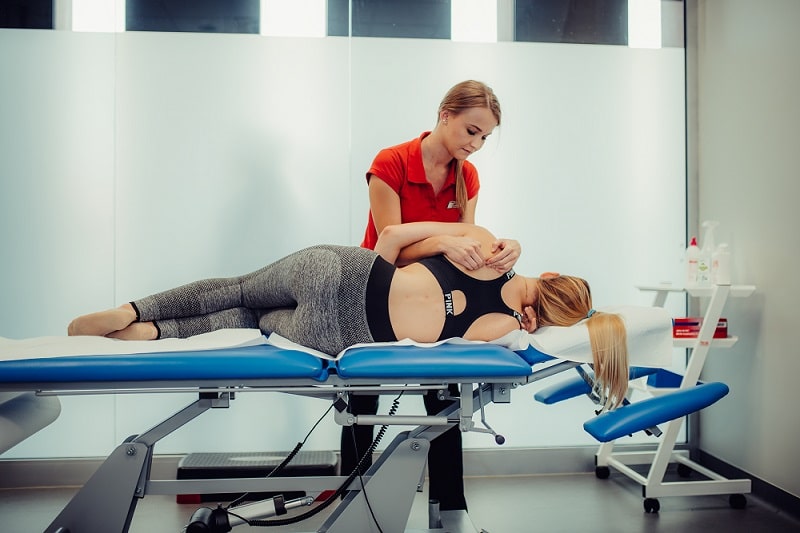
At CM Luxmed in Lublin at 6A Zwycięska Street, experienced physiotherapists provide specialist advice:
- Physiotherapy specialist Dr. Sebastian Mazur
- Fabian Burakowski, M.A
Patients who can benefit from the services:
- private,
- having a medical subscription,
- within the National Health Fund.
We also invite you to the rehabilitation department at the Luxmed CM Branch in Chełm, at Plac Kupiecki 12.
Frequently asked questions – FAQ
What is a physiotherapist's advice?
A physiotherapist's consultation is a visit during which the specialist assesses the patient's functional status, conducts an interview, a clinical examination and functional tests, and then plans an appropriate rehabilitation process.
Do I need a referral to see a physiotherapist?
For a private visit, you can consult a physiotherapist without a referral from a specialist. Rehabilitation under the National Health Fund (NFZ) requires a referral from a physician.
When should you see a physiotherapist?
It is worth visiting a physiotherapist if you experience pain in your spine, joints or muscles, after injuries, fractures and sprains, overworked training, headaches and dizziness, posture problems in children and certain neurological diseases.
What does a physiotherapist do during a visit?
During the visit, the physiotherapist analyzes the patient's health, assesses their mobility and ailments, and then selects the type and schedule of treatments based on their current functional status.
Can a physiotherapist plan treatments independently?
Yes. A physiotherapist can independently assess the patient's functional status and plan the physiotherapy process, taking into account medical diagnosis, symptoms, age, comorbidities, and risk factors.
What does rehabilitation under the National Health Fund look like?
To access rehabilitation under the National Health Fund, a referral from a doctor is required. The patient then visits a physiotherapist, who plans the rehabilitation process and selects appropriate treatments.
What treatments can rehabilitation include?
Rehabilitation may include kinesiotherapy (exercise and manual therapy), physical therapy using physical factors, and therapeutic massage. The range of treatments is tailored to the individual patient.
Can a physiotherapist's advice shorten the path to rehabilitation?
Yes. Direct consultation with a physiotherapist can shorten the waiting time for rehabilitation, especially if the patient is seeking a private consultation and does not want to wait for a prior consultation with a specialist.