
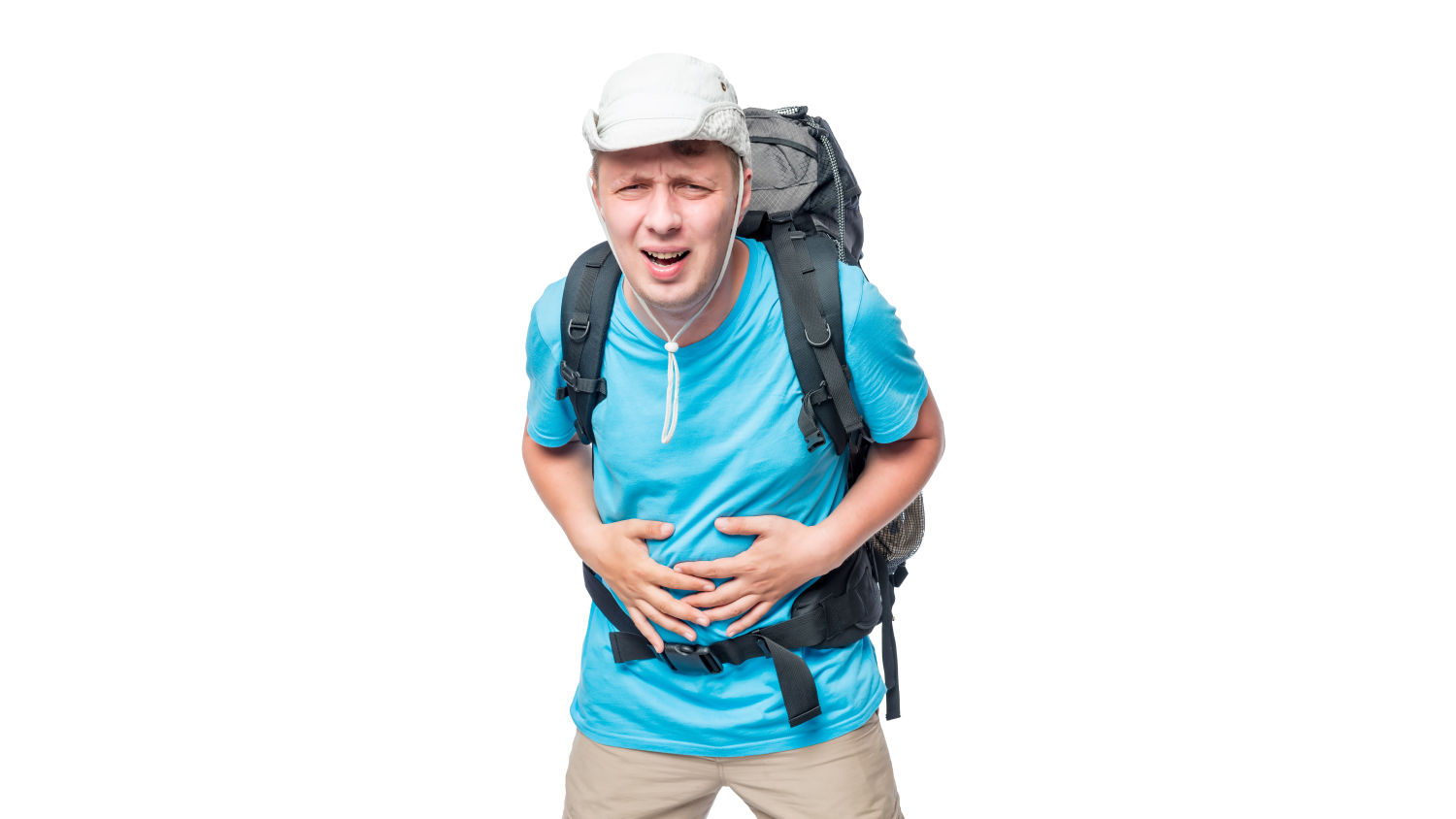
Traveler's diarrhea – how to prepare for travel?
It can strike anyone! You too! Do you travel? Did you know that up to 70% of travelers contract a gastrointestinal infection during their dream vacation? How can you avoid it? What should you pay attention to to travel safely? Read about it in this article. You'll also learn which geographic regions are at greatest risk of contracting the disease.
What causes traveler's diarrhea?
Traveler's diarrhea is a common condition among travelers to exotic countries—Africa, the Mediterranean, South America, and Asia. Dangerous enterotoxigenic strains of bacteria, such as E. coli, Campylobacter, Shigella, Salmonella, typhoid fever, and cholera, are common. Infection occurs through ingestion of contaminated food or water. Diarrhea usually lasts 3 to 7 days, and its intensity depends on the individual's predispositions and health status. Elderly people, children, pregnant women, and those with chronic illnesses should be particularly wary of infection.
The first symptoms of traveler's diarrhea are loose stools, nausea and vomiting, and crampy abdominal pain that worsen within a few hours.
Other symptoms depending on the etiology include:
- chills, fever,
- rash,
- stools with traces of blood,
- sacral pain and polyarticular pain.
How to treat traveler's diarrhea?
Treating traveler's diarrhea involves taking antidiarrheal medications, antiemetics, and probiotics. It's also necessary to replenish lost water and electrolytes. Besides water, you can also drink bitter tea, peppermint, or chamomile.
If symptoms are severe, or if a child develops symptoms, consult a doctor. Therefore, it's worth ensuring adequate insurance before traveling to cover the costs of any potential treatment. To ensure your trip is remembered as a wonderful adventure, free from unpleasant surprises, it's worth consulting with the Travel Medicine Clinic at Luxmed Medical Center beforehand.
How to prevent traveler's diarrhea?
- Before your trip, it's worth seeking advice from a travel medicine specialist. They can advise you on how to stock your travel first aid kit and manage illnesses during your trip. It's worth stocking up on probiotics, electrolytes, antipyretics, antiemetics, and antidiarrheal medications.
- It is also worth remembering that we can protect ourselves against some gastrointestinal diseases thanks to vaccinations!
- When traveling, use only bottled water (including for brushing your teeth and hands); avoid tap water in any form (e.g., ice cubes).
- Wash your hands before each meal.
- Wash all fruits and vegetables and peel them before eating.
- Do not consume unpasteurized dairy products, avoid eating ice cream.
- Do not drink freshly squeezed juices.
- Be careful with products sold at markets and bazaars.
Risk of disease by geographic region or country
HIGH – Egypt, Turkey, Tunisia, Morocco
BIG – Middle East, Africa, Latin America, South Asia
MEDIUM – Central and Eastern Europe, Balkans, Russia, Portugal, China, Israel, South Africa, Pacific Islands, Caribbean (part), Argentina, Chile, Thailand
SMALL – Australia, New Zealand, Japan, Northern and Western Europe, Canada, USA