
Body Dysmorphic Disorder: How to Recognize Body Dysmorphic Disorder? Causes, Symptoms, Treatment
Every person lives in a body, which expresses itself in the daily experience of impulses flowing from within (emotions, pleasure, pain, fatigue) and in caring for their own body. Every person, even if they are unaware of it, creates a so-called body self in their mind .
We talk about body dysmorphia with psychologist Beata Kostrubiec-Wojtachnio .
Is it true that the perception of one's own image does not end with the reflection in the mirror?
There are four fundamental components of body image: cognitive, behavioral, emotional, and perceptual. The body self encompasses what we know about our body, how we behave toward it, our emotional relationships to it (likes versus dislikes), and how we perceive it. Every person also evaluates their own body, and this process is both natural and necessary. During adolescence, dissatisfaction with one's changing body is developmentally normal. It may appear periodically, but it should not be persistent or protracted, nor should it overly engage the adolescent. The situation changes when the body becomes a source of suffering—negative feelings and evaluations.
Why do many people perceive themselves so negatively?
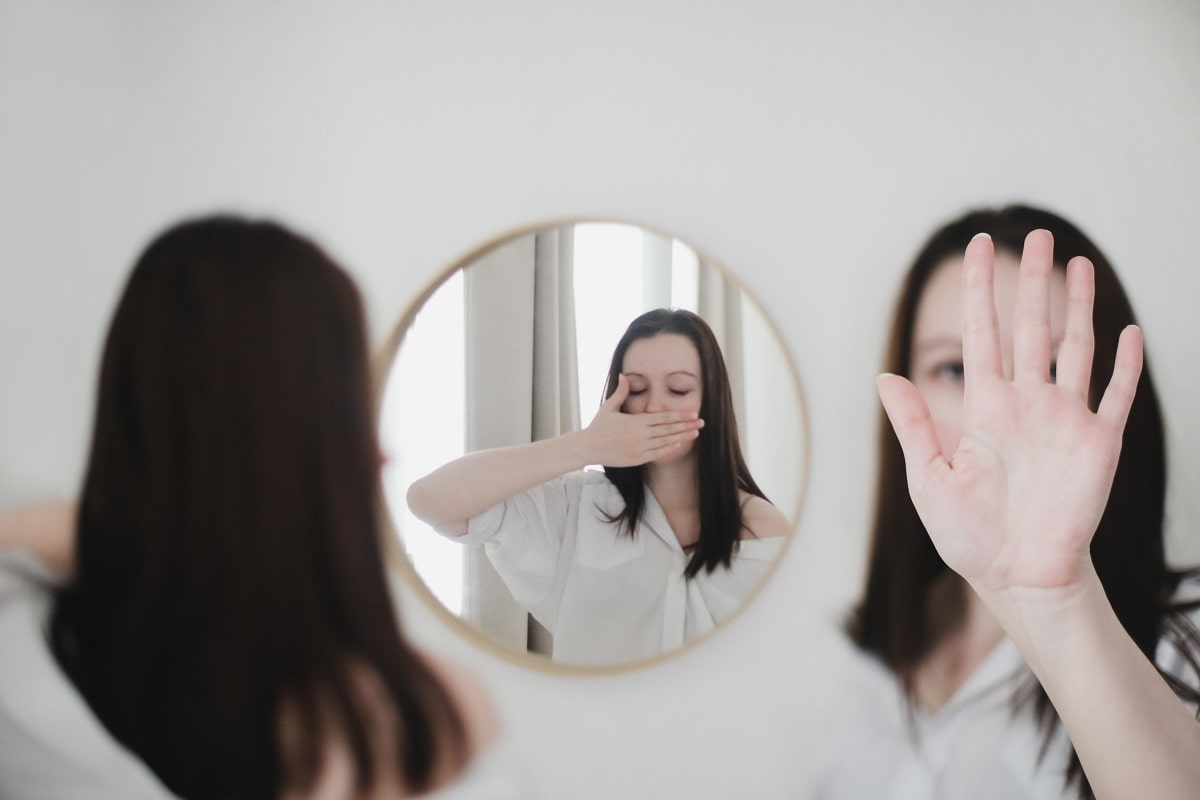
For some people, their bodies seem to be a source of exclusively negative associations, and the evaluation of their appearance triggers a strong desire to change for the better. This situation occurs in a disorder called body dysmorphic disorder (BDD). While everyone looks at themselves in the mirror from time to time, those with this disorder examine themselves with exceptional criticality, and the sight of their own body not only brings them no pleasure but also disgust.
We are full of complexes, but where is the line between normality and phobia (body dysmorphic disorder)?
A person suffering from body dysmorphic disorder is often sad, immersed in their own reflections about their appearance, as if changing their appearance to a more favorable one would simultaneously improve their mood. Such individuals are characterized by a perceived dissatisfaction with their appearance, but also a constant desire to improve it. This desire for change can take various forms – from rejection of their appearance and avoiding looking in the mirror or shop windows, to the desire to correct a specific body part (nose, forehead, hair, etc.) and seeking contact with those who can actually change their appearance (a beautician, doctors of various specialties such as orthodontists, surgeons, orthopedists, dermatologists). It is also common for BDD patients to force unnecessary procedures, and when the desired results are not achieved, they seek help from other specialists. They also often complain about the effectiveness and efficiency of these procedures, misjudging their results, seeking compensation for procedures they consider poorly performed, and then seeking further corrections.
I have the impression that such cases are becoming more common. Is it possible that these people suffer from body dysmorphic disorder?
Body dysmorphic disorder is a rare disorder. It is estimated that it affects 1-3% of the population, although this relationship is largely determined by gender and culture. Society and culture set standards of beauty and emphasize specific body appearance. Currently, for example, a slim figure, smooth skin, and healthy hair are welcomed. Patients typically focus on their face, complexion, hair, and nose. BDD often accompanies disturbances in overall body image assessment, such as anorexia and bulimia. The literature indicates that body dysmorphic disorder may be an unrecognized disorder that underlies the development of eating disorders.
Where does body image disorder come from?
Certain personality traits are cited as causes of BDD. The literature correlates BDD with a perfectionistic and excessively self-critical personality. The disorder occurs in individuals who tend to withdraw, have a low sense of security, poor self-insight, and exhibit obsessive-compulsive behavior. The latest ICD-11 categorization includes this disorder in the catalog of obsessive-compulsive behaviors.
What is BDD really about?
It's a genuine dissatisfaction with one's own defect, real or nonexistent. It can also happen that a minor defect is exaggerated, and the sufferer's attention is focused on it. Furthermore, the person has a deep sense that if it weren't for the defect, they would be much happier and more satisfied with their life. People with BDD tend to have ambivalent reactions – on the one hand, excessive preoccupation with their own body, observing and masking exaggerated or imagined flaws in their appearance, and on the other, an extreme reluctance to look in the mirror, as the sight of their own body arouses aversion.
How can you help a person with body dysmorphic disorder?
Help, first and foremost, means an accurate and prompt diagnosis . At this stage, people suffering from this disorder may need support and motivation to truly address the issue. The brain of a person with BDD processes visual information differently than the brain of a healthy person, so to put it simply, they don't truly see themselves as others see them. It's also important to avoid conversations about the unaccepted body part. The idea of specialized treatment and psychotherapy should be encouraged, and even help in finding the right center and specialists. You can attend the initial appointment with a loved one—for example, a mother and daughter, a friend and friend, a wife and husband.
The second step is to undertake appropriate treatment , which involves combining pharmacotherapy prescribed by a psychiatrist (as used for obsessive-compulsive disorder and mood disorders) with psychotherapy. It's not easy to break free from intrusive thoughts related to appearance. Therefore, patience from family and friends is essential, as well as hope for change, which this time can truly bring freedom from unnecessary and unconstructive self-talk in a person with BDD.
Thank you for the interview