
When a hair falls from your head
A common problem patients report to their doctor is excessive hair loss. What could be the causes, what tests can be performed to diagnose the problem, and how to care for the scalp, explains Lublin trichologistŁukasz Budzyński, MA.
What tests are there for hair loss?
A basic blood count is an important test , as it can indicate whether excessive hair loss is related to anemia and iron deficiency . Other tests include determining thyroid hormone levels ( TSH , fT4 ), which can lead to hair loss if they are underactive. It's also important to determine androgen levels and hormones related to the reproductive system ( LH , FSH , and estradiol-E2 ).
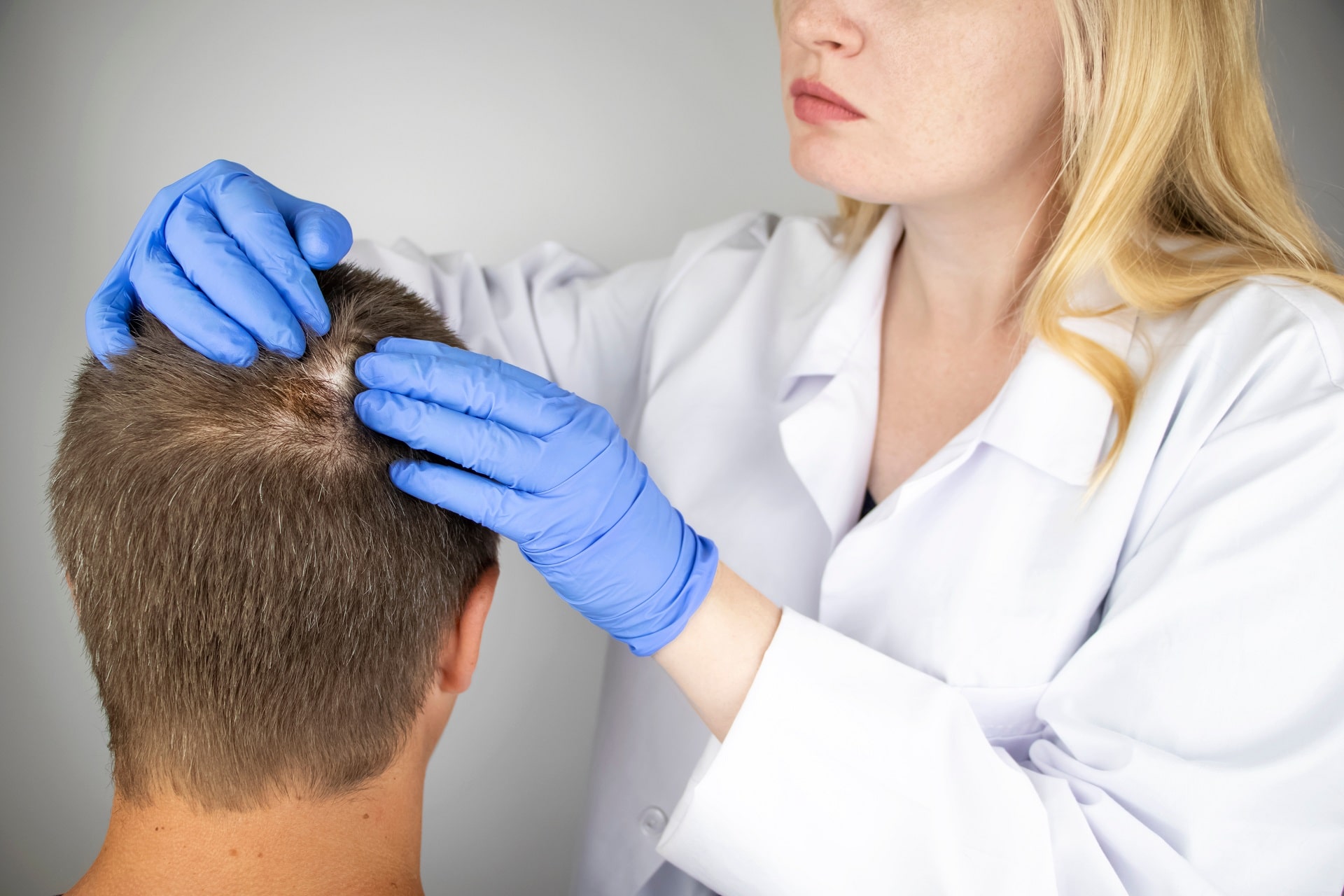
Valuable information is provided by the trichological examination I conduct during each appointment. It involves analyzing the scalp and hair follicles using a specialized microcamera and interpreting the results on a screen.
I am always asked how often should we wash our scalp?
There is no single solution that works for everyone; it depends on individual needs and various factors, such as daily routine (e.g., sports, daily living conditions), scalp type (normal, dry, sensitive, dehydrated, oily), hair length and type, and the care products used, explains Budzyński.
Women who don't have scalp problems should generally wash their hair every other day, i.e., three times a week. The most common recommendation is to wash your hair twice, meaning you shampoo, rinse with water, and repeat the process again. Reduce the amount of shampoo for the second application.
If we feel the need to wash our hair more often, choose gentle shampoos that are intended for daily care and do not cause severe irritation to the scalp, e.g. shampoos based on natural ingredients, herbal shampoos, or simply shampoos recommended for daily cleansing.
Men most often wash their scalp every day because their hair is short and does not require such special care.
I often hear theories that washing your hair too often causes it to weaken and fall out. This is simply not true!
Of course, if we use a shampoo that is too aggressive or inappropriate, it can cause scalp problems and, in the long run, weaken the hair itself and cause excessive hair loss.
The truth is, however, that our scalp becomes dirty most quickly because of our hair itself. The thicker and coarser the hair, the more difficult it is to wash it properly.
Factors that influence this include:
- air pollution, dust, dirt,
- styling products
- the conditions in which we live every day
- intensity of the day
- water quality
Important – How to use hair masks?
When using conditioners or hair masks, remember to apply them to the hair itself, without rubbing them in or contacting the scalp. These products are good for the hair, but not necessarily for the scalp itself, as they are often silicone-based.
Scalp peeling
The condition of your scalp is crucial, so don't forget to regularly exfoliate your scalp (2-4 times a month), no more than every 10 days. A properly performed exfoliation removes not only dead skin cells but also residue from difficult-to-remove ingredients from products like styling products. Well-cleansed skin functions better, and an additional benefit is the stimulation of microcirculation. A proper exfoliation, in addition to microparticles, should also have enzymatic properties.
By the way – scalp peeling is a very pleasant and relaxing treatment.
Proper scalp care is essential to maintaining beautiful, healthy, and shiny hair. So, remember a few basic rules:
- let's wash our hair 3 times a week (if we need to, we wash it more often – individual approach).
- Do not use aggressive shampoos that may irritate the scalp.
- Let's support cleansing by regularly exfoliating the scalp 2-4 times a month.
I invite you for consultations at the Med Estetyka offices at 7 Orkana Street.
Frequently asked questions – FAQ
When should you be concerned about hair loss?
Hair loss should be consulted if it is severe, lasts longer, appears suddenly, involves visible thinning, or is accompanied by scalp symptoms such as itching, flaking, irritation, or excessive oiliness.
What are the causes of hair loss?
Excessive hair loss may be related to, among other things, anemia, iron deficiency, thyroid disorders, hormones, stress, scalp diseases, improper care, or other health problems.
What tests should be performed for hair loss?
For excessive hair loss, a complete blood count, iron levels, TSH, fT4, and selected hormonal tests, such as androgens, LH, FSH, and estradiol, may be helpful. It's worth discussing the scope of testing with a specialist.
What is a trichological examination?
A trichological examination involves assessing the scalp and hair follicles using a specialized microcamera. It allows for a more detailed look at the condition of the scalp and hair.
How often should you wash your hair?
How often you wash your hair depends on your individual needs, scalp type, activity level, work environment, hair length, and the cosmetics you use. You can wash your hair as often as needed.
Does frequent washing cause hair loss?
No, frequent washing alone doesn't cause excessive hair loss. However, an overly aggressive or poorly chosen shampoo can be a problem, irritating the scalp and weakening the hair's condition.
How to use hair masks and conditioners?
It's best to apply masks and conditioners directly to the hair, without rubbing them into the scalp. These products are primarily intended for hair care and can unnecessarily burden the scalp.
Is scalp peeling necessary?
Yes. Exfoliating the scalp helps remove dead skin, cosmetic residue, and impurities. It can be done regularly, for example, 2–4 times a month, but no more often than every 10 days.