
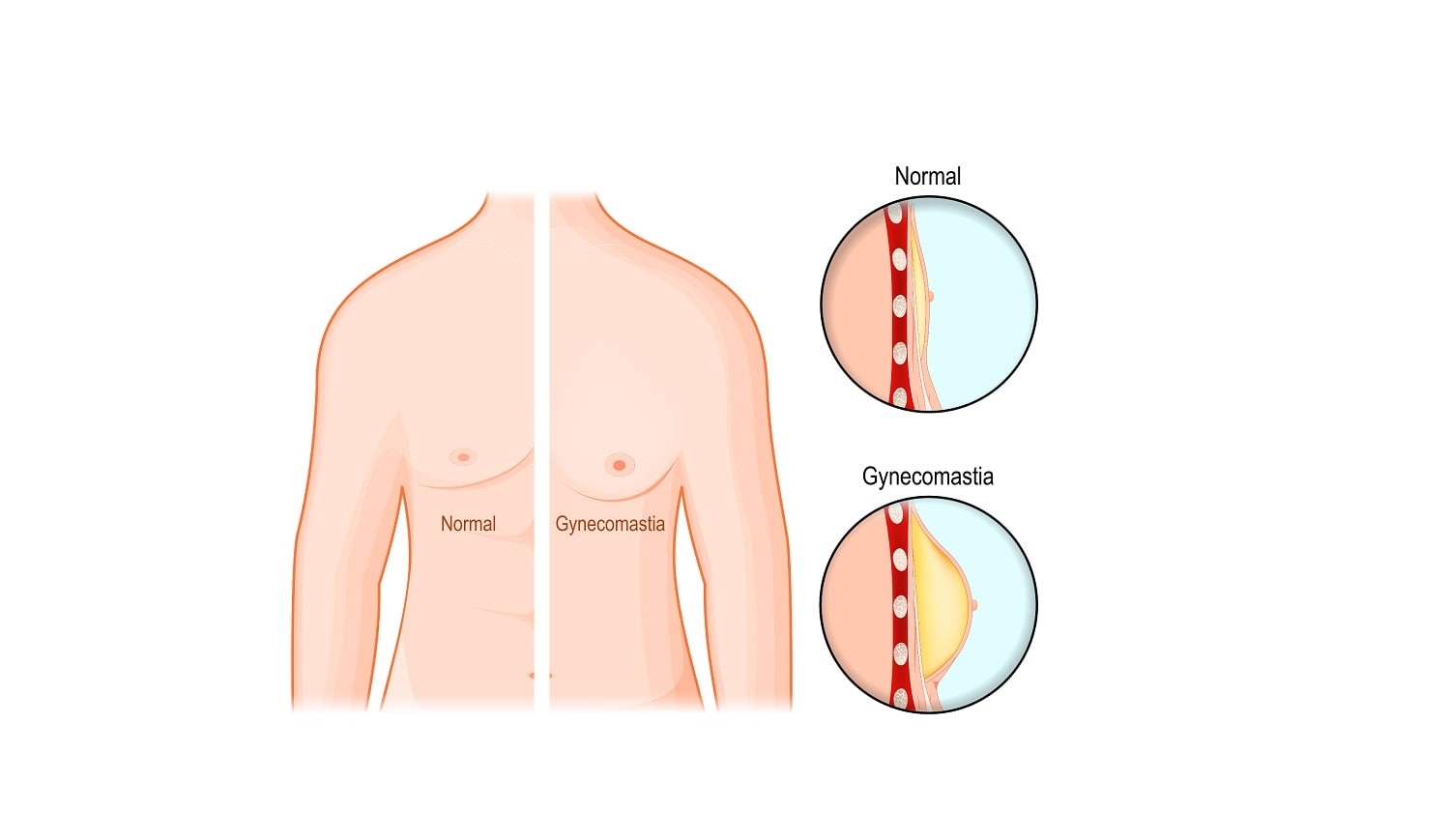
What is gynecomastia – causes, symptoms, treatment
Gynecomastia, though often overlooked, is a significant medical and psychological problem affecting a significant number of men. It is the enlargement of male breasts, which can affect one or both breasts. Understanding the causes, symptoms, and available treatment options is crucial for those struggling with it.
In this article, we'll take a closer look at what gynecomastia is, its main causes, the symptoms it can cause, and current treatment options. Starting with medical basics, we'll explore various psychological aspects, and then conclude with practical advice for those struggling with gynecomastia. The key to managing this problem is understanding the condition and choosing the best solution for you.
What is gynecomastia?
Gynecomastia is a benign enlargement of the mammary glands in men. This condition can affect up to 30-50% of the male population, and even one in two adolescent boys. It is caused by the predominance of estrogen over androgens in the male mammary gland. The symptom is enlargement of the mammary glands, an embarrassing condition for many. The problem adversely affects patients' quality of life, well-being, and self-esteem.
Where and why, or the causes of gynecomastia
The most common causes of gynecomastia include:
- genetic predisposition,
- hyperthyroidism,
- the occurrence of certain cancers that secrete estrogens or increase their concentration in the body,
- hormonal disorders,
- overweight,
- aging,
- liver disease,
- diet,
- some medications,
- alcohol abuse, especially if you have liver cirrhosis,
- renal failure.
Physiological changes associated with puberty and menopause may also be a cause. In young boys, these changes usually resolve spontaneously.
Gynecomastia can occur on its own, but it can also occur as a result of another condition. In 50% of gynecomastia patients, the cause cannot be determined.
What is happening, or the symptoms of gynecomastia
The main symptom of gynecomastia is the enlargement of male breasts, or more precisely, the enlargement of glandular (not fatty) tissue. It usually occurs on both sides, although unilateral gynecomastia can also occur. Breast enlargement may be accompanied by mild pain and tenderness. If gynecomastia is a symptom of a systemic disease, the patient may have additional symptoms suggesting the diagnosis (e.g., symptoms of a disease such as hyperthyroidism, liver failure, hypogonadism).
Male breasts, or the psychological aspect
The psychological aspects of gynecomastia are just as significant as its physical effects. For many men, breast enlargement can be a source of significant emotional distress, lower self-esteem, and feelings of shame. This can sometimes lead to avoidance of social situations where the body is exposed, such as swimming pools or gyms, which in turn can lead to social isolation and deepening feelings of loneliness.
In some cases, men experiencing gynecomastia may also suffer from anxiety or depressive disorders. Therefore, it is important to provide psychological support to patients in addition to physical therapy.
Professional psychotherapy can be crucial in managing the emotional consequences of this condition, helping men rebuild their self-acceptance and self-confidence. Furthermore, public awareness of gynecomastia and an understanding that it is a medical, not merely aesthetic, issue can be helpful in promoting self-acceptance and improving the quality of life of affected patients.
Does gynecomastia require surgery, i.e. gynecomastia treatment
Effective gynecomastia treatment should begin with a consultation with a specialist. An endocrinologist in Lublin can order appropriate tests, including ultrasound and hormone testing, and then help determine the possible cause of male breast enlargement.
Finding the cause isn't always easy. If successful, treatment is necessary. Gynecomastia may be caused by medication; if possible, these medications should be discontinued or replaced with non-drug alternatives. In the case of changes caused by disease, treatment focuses on treating the underlying condition. In cases of obesity, reducing body fat is recommended.
If the cause remains undiagnosed, doctors often decide to treat with antiestrogens or so-called androgen analogues (which do not convert to female hormones).
In some cases, surgical or aesthetic medicine intervention is considered.
Gynecomastia and breast cancer
In some cases, the occurrence of gynecomastia on only one side may be a symptom of breast cancer. Therefore, the problem should not be ignored. Breast cancer, although primarily associated with women, also affects men. It is a rare cancer, accounting for <1% of all cancers in men. Men with:
- obesity,
- history of orchitis,
- cryptorchidism,
- breast cancer in the family,
- BRCA2 mutation carriers,
- after exposure to exogenous estrogens,
- after the age of 60.
In summarizing the information presented about gynecomastia, we want to leave you with a message of optimism and hope. Gynecomastia, although a challenge, does not have to define quality of life. Today, thanks to advances in medicine and growing public awareness, men struggling with this problem have many options available to them.
It's also a good time to break social taboos and talk openly about gynecomastia. Building awareness and empathy around this topic is a step towards a more understanding and supportive environment. It's worth repeating that openly discussing issues like gynecomastia, both privately and in a doctor's office, is a quantum leap towards health and well-being.
Medical consultation
Dr. Małgorzata Sobstyl, MD,
PhD Specialist in endocrinology, gynecology and obstetrics
Frequently asked questions – FAQ
What is gynecomastia?
Gynecomastia is a benign enlargement of the mammary glands in men. It can affect one or both breasts and is associated with an imbalance between estrogen and androgens.
Who may be affected by gynecomastia?
Gynecomastia can affect men of all ages, including adolescent boys. In younger individuals, the changes are often physiological and may resolve spontaneously.
What are the causes of gynecomastia?
The causes of gynecomastia may include hormonal disorders, excess weight, aging, liver, kidney or thyroid disease, certain medications, alcohol, genetic predisposition and, less frequently, certain cancers.
Can gynecomastia be a symptom of another disease?
Yes. Gynecomastia can occur on its own, but it can also be associated with other conditions, such as hyperthyroidism, liver disease, kidney failure, hypogonadism, or hormonal imbalances.
What are the symptoms of gynecomastia?
The main symptom of gynecomastia is enlargement of the glandular tissue in men's breasts. This change can be unilateral or bilateral and is sometimes accompanied by tenderness, pain, or emotional discomfort.
How is gynecomastia diagnosed?
Diagnosis should begin with a medical consultation. Your doctor may order hormonal tests, a breast ultrasound, or other tests to help determine the cause of breast enlargement and rule out other conditions.
How is gynecomastia treated?
Treatment depends on the cause of gynecomastia. It may include treating the underlying condition, changing medications, losing weight, pharmacological treatment, or, in selected cases, surgical treatment.
When does male breast augmentation require consultation?
Consultation is recommended if breast enlargement is unilateral, progresses rapidly, is accompanied by pain, nipple discharge, a palpable lump, a skin lesion, or if the symptom is cause for concern. Your doctor will assess whether further diagnostics are necessary.