
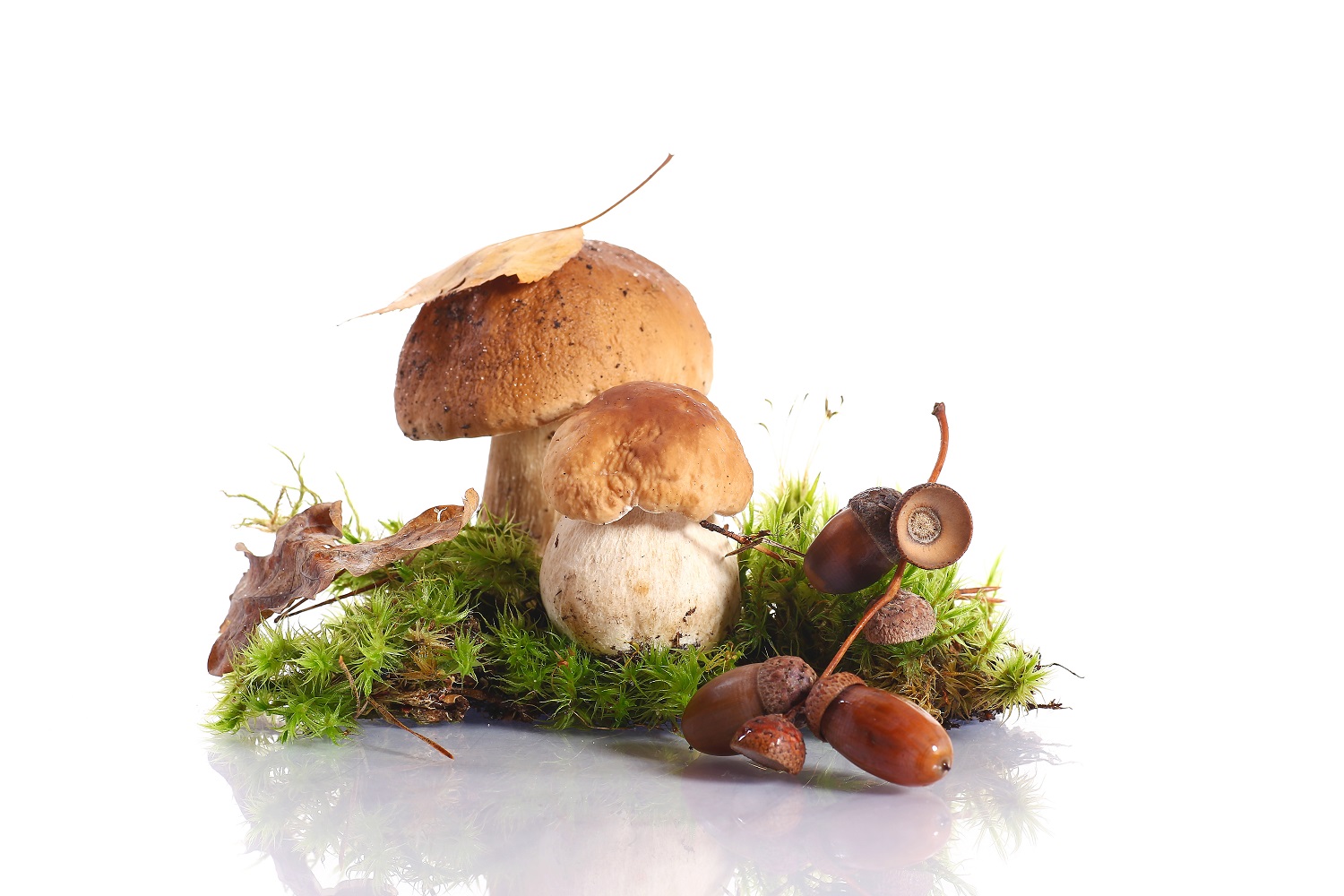
Mushrooms – extraordinary gifts of the forest, medicinal mushrooms and their properties
There's a widespread belief that mushrooms are difficult to digest and lack much nutritional value. This myth has been debunked many times. But what are these benefits, and how can you safely consume them to truly provide your body with their best qualities? Fall is in full swing, and with it, mushroom season, so here are some tips on how to incorporate the benefits of mushrooms into your diet.
The power of nutritional value in mushrooms
Mushrooms, depending on the species, contain approximately 70-90% water. Their dry matter consists of protein, fiber, vitamins, and minerals. They are a source of B vitamins (B1, B2, B5), C, E, and vitamin D, which is not found in plant foods. They are also a source of potassium, magnesium, calcium, phosphorus, copper, iron, zinc, and selenium. They contain phenolic compounds with antioxidant and anti-inflammatory properties. For example, studies show that 100 grams of mushrooms provide over 20% of the daily requirement for vitamins B2, B3, and B5.
How to eat mushrooms?
Due to their high fiber content and chitin (which humans cannot digest), mushrooms can be difficult to digest, so they are not recommended for children under 7, the elderly, or those on a low-calorie diet. Pregnant women are also advised against consuming mushrooms. Certain medical conditions, such as Wilson's disease, are also contraindicated due to their possible copper content.
Mycotherapy, or treatment with fungi
The most well-known medicinal mushrooms are those used in Far Eastern medicine, especially shiitake, maitake, and reishi . But our native mushrooms also have a positive impact on health. Their anti-cancer properties are particularly emphasized. Some mushrooms, as part of the diet, lower cholesterol, blood sugar, and blood pressure, fight viruses and bacteria, and relieve pain and inflammation.
Mushrooms that heal
Boletus edulis, birch bolete, butter mushroom, honey mushroom, button mushroom, and oyster mushroom contain antioxidant substances that limit the development of cancer cells.
Porcini mushrooms provide the body with phosphorus, potassium, magnesium, iron, and B vitamins. They are also recommended for people with diabetes.
Chanterelles (or chanterelles) exhibit strong antibacterial activity against Staphylococcus aureus. They are one of the best sources of B vitamins and vitamin D, as well as riboflavin, niacin, and folic acid. They contain more beta-carotene than carrots. They have a positive effect on the nervous system.
Oyster mushrooms contain methanol extracts that reduce inflammation. They may also lower LDL cholesterol and blood glucose levels. Consuming them reduces the risk of atherosclerosis, coronary artery damage, and heart muscle damage.
Bay boletes, thanks to their flavonoid content, exhibit anti-inflammatory and detoxifying properties. They are a valuable source of palmitic, oleic, and linoleic acids, which support weight loss.
Kozaks (bocks) provide B vitamins, especially B3 (niacin).
Honey fungus has fungicidal and bactericidal properties. It has a beneficial effect on blood circulation in the limbs, brain, and heart. It also improves eyesight.
Milk thistles (Saffron milk thistles) are rich in digestive nutrients. They also have a positive effect on the skeletal and nervous systems. They help combat hypertension and stress. They also exhibit antibiotic properties, including against tuberculosis bacteria.
Gooseberries have anti-allergic properties, helping to combat hay fever and tearing. They may have anticoagulant properties, and some varieties may lower blood sugar levels.
It's hard to deny the health benefits of mushrooms. However, it's important to ensure the quality of the mushrooms you consume. Mushrooms intended for consumption should be firm, dry, clean, and undamaged. Above all, they should be inspected for edibility.