
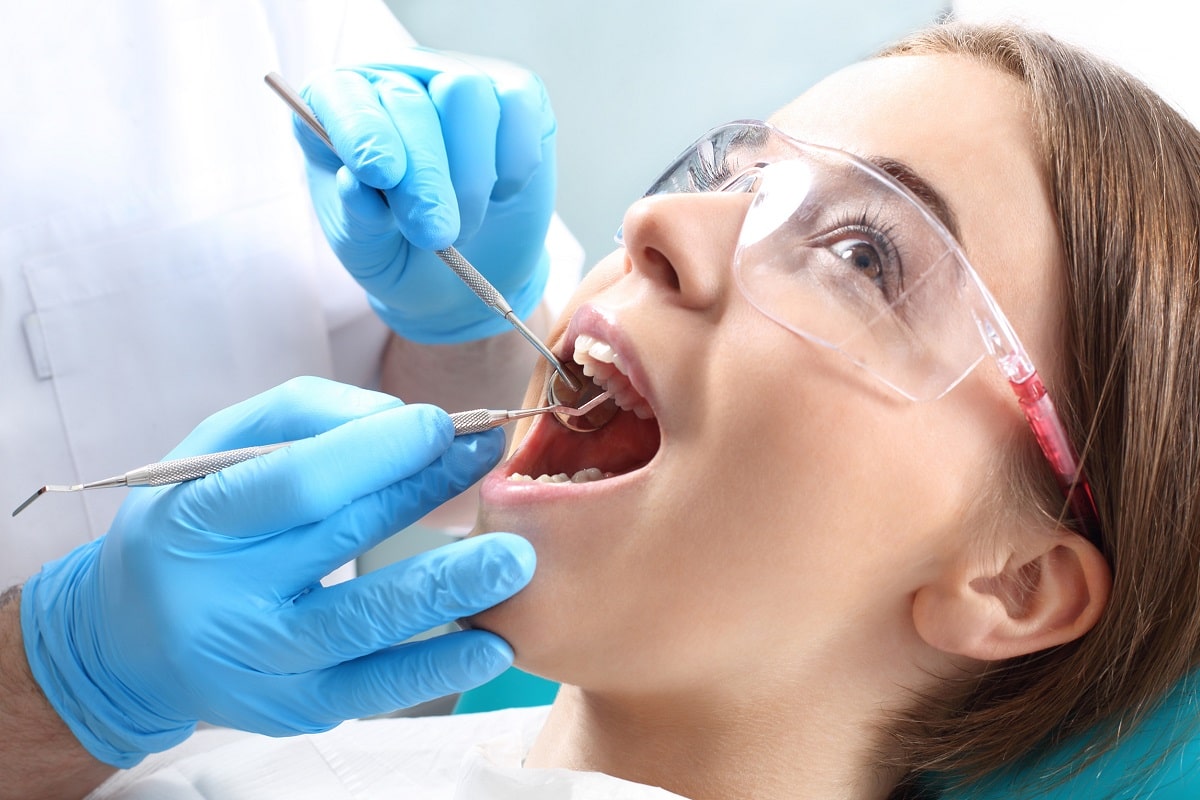
Healthy teeth and gums - how does regular hygiene protect against tooth and gum disease?
A dental hygienist is an integral part of modern oral health care. They specialize in preventive dentistry, whose primary role is to prevent tooth and gum disease and educate patients on proper oral hygiene.
Can the condition of your gums affect the health of your entire body?
Modern medicine increasingly emphasizes the connection between oral health and overall health. Inflammation of the gums and, consequently, periodontal disease, commonly known as periodontitis, may increase the risk of developing:
- cardiovascular diseases,
- type 2 diabetes,
- complications during pregnancy, including premature birth and low birth weight.
Regular visits to a hygiene clinic can therefore contribute not only to the health of your teeth and gums, but also to the better health of your entire body.
Advanced technologies to protect healthy teeth
Modern dental hygiene offices use advanced technologies, such as ultrasonic scalers for tartar removal, which do not cause the familiar discomfort during the procedure, or modern, gentle sandblasting powders that remove dark deposits in the environment of heated water.
This allows patients to enjoy a deeper and more comprehensive clean that is both more effective and gentler on teeth and gums.
The right toothpaste and regular brushing aren't enough?
One interesting procedure performed in a dental hygiene clinic is plaque staining. This procedure allows for visualization of areas where the patient has not adequately removed plaque during home hygiene. It is an excellent educational tool that helps patients understand where they need to be more diligent when brushing, which is crucial for disease prevention.
Individual oral hygiene instruction
Individualized oral hygiene instruction is an essential part of every dental visit. The dental hygienist explains in detail how to use toothbrushes, dental floss, irrigators, and other tools that help keep the oral cavity clean. Furthermore, they individually select oral hygiene products that best suit the patient's needs and abilities. This personalized approach allows for better preventative dental care results while ensuring that each patient knows how to effectively care for their teeth and gums.
Diet, lifestyle habits, and regular hygiene for healthy gums
A key aspect of a dental hygienist's work is educating patients about preventative care. Knowledge about how diet, lifestyle habits, and regular hygiene affect oral health is as important as the treatment process itself. The hygienist helps them understand what factors can contribute to gum disease and dental problems, and how to prevent them. For example, they explain the link between sugar consumption and the risk of tooth decay. Oral bacteria thrive especially when we consume sugary snacks and beverages, leading to weakened enamel and the development of tooth decay. Proper brushing and flossing practices help reduce bacteria and protect both teeth and gums. The hygienist provides patients with valuable tips on how to modify their diet to reduce this risk.
In summary, regular dental hygiene visits are essential not only for maintaining oral health but also for overall health. As preventative care specialists, dental hygienists play a key role in educating patients and preventing numerous diseases.
Through regular visits, professional care, and adherence to hygiene recommendations, patients can significantly improve their quality of life while avoiding serious health complications. Maintaining oral health is an invaluable investment in the health of the entire body. If, despite proper hygiene, recurring inflammation or tooth decay persists , it's worth consulting a dentist who will determine the best preventative and treatment options.
Anna Kawiak,
M.A., certified dental hygienist,
Dental Hygiene Office