
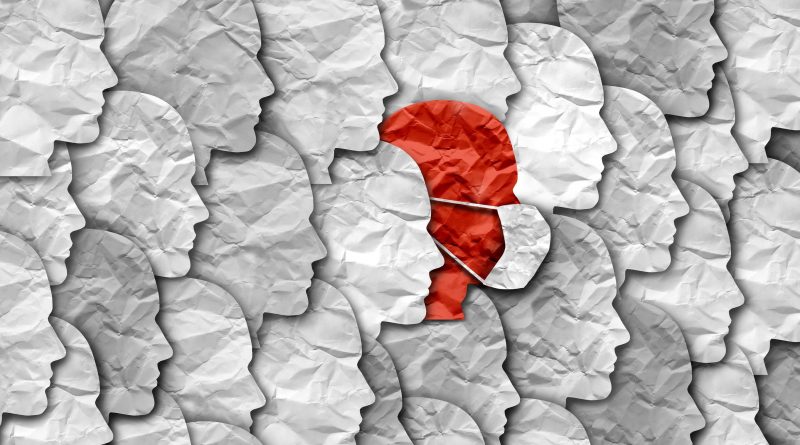
Coronavirus – what is it?
The Wuhan coronavirus, 2019-CoV, causes COVID-19 (Corona Virus Disease 2019). Its genetic similarity to the 2003 SARS virus has led to its official name, SARS-CoV-2. Despite the vast amount of information about the coronavirus that floods us with daily media coverage, we often still wonder: What is it really like, and does it even exist?
Below we present the most important facts collected by one of our specialists that everyone should know.
How does COVID-19 progress?
The course of infection varies from asymptomatic, through a mild respiratory infection similar to a cold, to severe pneumonia with acute respiratory distress syndrome, or even multi-organ failure, resulting in death. However, it's important to remember that approximately 80% of COVID-19 patients do not require treatment and the disease resolves on its own.
Cronavirus – how does infection occur?
Infection occurs through droplet infection through direct contact with a person infected with the coronavirus or indirectly through objects with the infected person's saliva on them, such as door handles, handrails, shopping carts in supermarkets.
Who is really at risk?
People over 65 are at greatest risk of losing their health or even their lives, and this risk increases with age. People with comorbidities, including cardiovascular disease, hypertension, diabetes, cancer, respiratory disease, and those taking immunosuppressive medications, should also be particularly cautious.
Prevention of coronavirus infection
There is currently no vaccine to prevent the disease. Therefore, it is crucial to follow good hygiene practices: washing your hands with soap or disinfectant, covering your cough and sneeze with the bend of your elbow, and wearing protective masks.
How to stop the coronavirus
Because humans are the ones transmitting the coronavirus infection, humans can stop the massive increase in cases. Therefore, it is crucial that we continue to adhere to quarantine rules and the current recommendations of the Ministry of Health. Thanks to our responsible attitude, we will save people's health and lives and return to the pre-pandemic reality we all long for.
Can the end of the pandemic be predicted?
On March 11, 2020, the World Health Organization (WHO) declared a state of pandemic, and a day later, a state of epidemic threat was declared in Poland due to the Wuhan coronavirus. We know its beginning, but can we predict with certainty when the pandemic will end? Unfortunately, it's not that simple. Only when the number of cases reaches its peak will it be possible to predict when they should decline.
Author of the text:
Doctor Dorota Tatarska-Jojczuk – internist, family doctor