
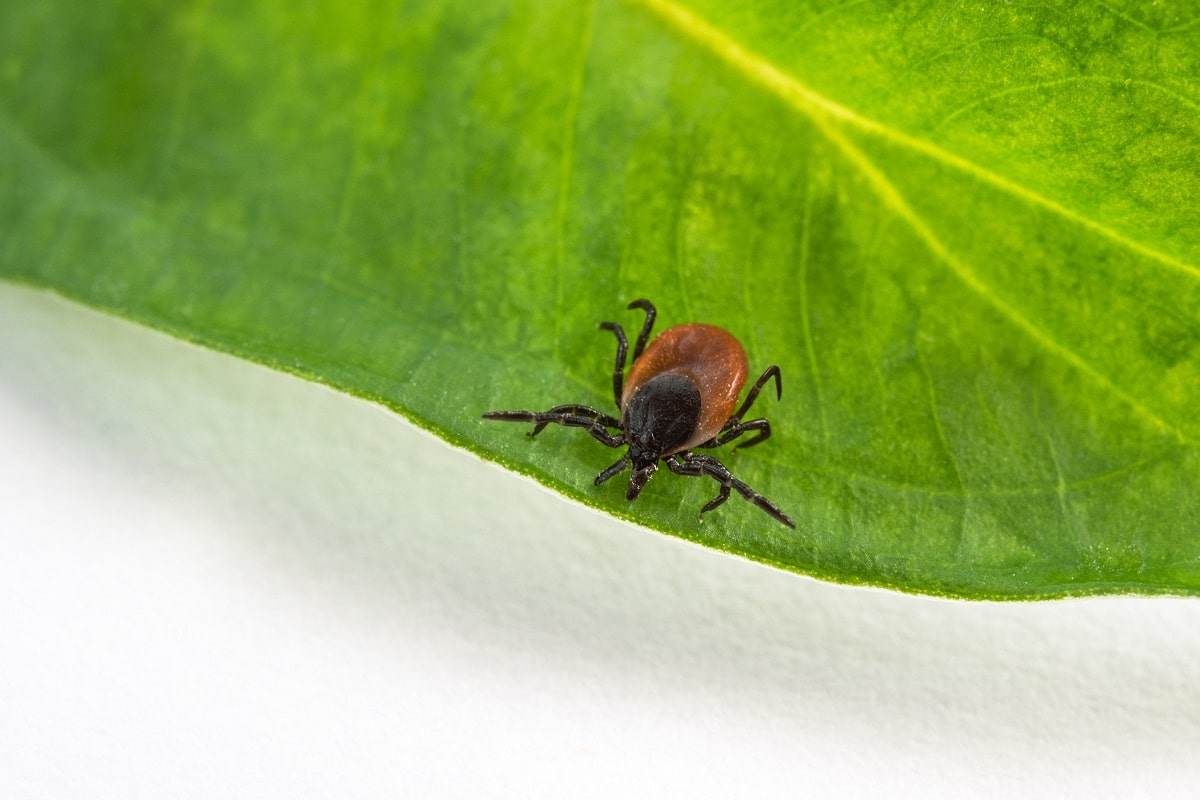
First symptoms of Lyme disease – what to look for after a tick bite?
Lyme disease – what is this disease?
Lyme disease is a contagious, multisystemic bacterial disease caused by the spirochete Borrelia. It is transmitted through the bite of an infected tick. It is one of the most common tick-borne diseases in Europe and North America. Early recognition of the first symptoms is crucial for effective treatment and avoiding serious complications.
What to do after a tick bite?
If you have been bitten by a tick, take the following steps:
- Remove the tick as soon as possible – use fine-tipped tweezers, grasp the tick as close to the skin as possible and remove it in a straight motion, without twisting and taking care not to crush the tick's abdomen.
- Thoroughly disinfect the bite site – use, for example, rubbing alcohol or hydrogen peroxide.
- Monitor your skin over the next few weeks – pay attention to any skin changes and your overall health.
- Note the date of the bite – this may be important in diagnosis if symptoms of Lyme disease occur.
First symptoms of Lyme disease
The first symptoms of Lyme disease can appear several days to several weeks after a tick bite. The following symptoms are worth noting:
1. Erythema migrans
This is the most characteristic symptom of Lyme disease. It typically appears three to 30 days after the bite and appears as a red spot that gradually enlarges, forming a ring-shaped area with a paler center. It can occur at the bite site or on another part of the body.
2. Flu-like symptoms
In the early stages, Lyme disease can resemble a cold or the flu. Symptoms may include:
- fever,
- chills,
- muscle and joint pain,
- headache,
- tiredness.
3. Enlarged lymph nodes
Some people may experience swelling and tenderness of the lymph nodes near the bite site.
When should you see a doctor?
If you notice erythema migrans or flu-like symptoms within a few weeks of a tick bite, consult a doctor. Lyme disease can lead to serious complications, including:
- arthritis,
- neurological problems (e.g. facial nerve paralysis, meningitis),
- cardiac disorders (e.g. myocarditis).
Rapid implementation of antibiotic therapy is crucial for effective treatment and avoidance of chronic complications.
Summary
Lyme disease is a serious disease that requires rapid diagnosis and treatment. Monitoring symptoms is crucial, especially the appearance of erythema migrans. After each tick bite, it's important to monitor your health and, if necessary, consult a doctor and undergo a comprehensive diagnostic test, including testing for both Lyme IgM and Lyme IgG (4-6 weeks after potential infection). Early treatment can help avoid serious health consequences.

Sources:
1. National Institute of Public Health PZH – National Research Institute, Lyme borreliosis – information for patients, access: https://www.pzh.gov.pl
2. Centers for Disease Control and Prevention (CDC), Lyme Disease – Symptoms, Diagnosis, Treatment, access: https://www.cdc.gov/lyme
3. European Centre for Disease Prevention and Control (ECDC), Lyme borreliosis – Factsheet for health professionals, access: https://www.ecdc.europa.eu
4. Polish Society of Epidemiologists and Infectious Disease Physicians, Recommendations for the diagnosis and treatment of Lyme borreliosis, access: https://www.pteilchz.org.pl/wp-content/uploads/2025/02/Moniuszko-i-wsp.-Przeg-Epidemiol.-2023.pdf
5. Practical Medicine / mp.pl, Lyme disease, access: https://www.mp.pl/pacjent/choroby-zakazne/choroby/73936,borelioza