
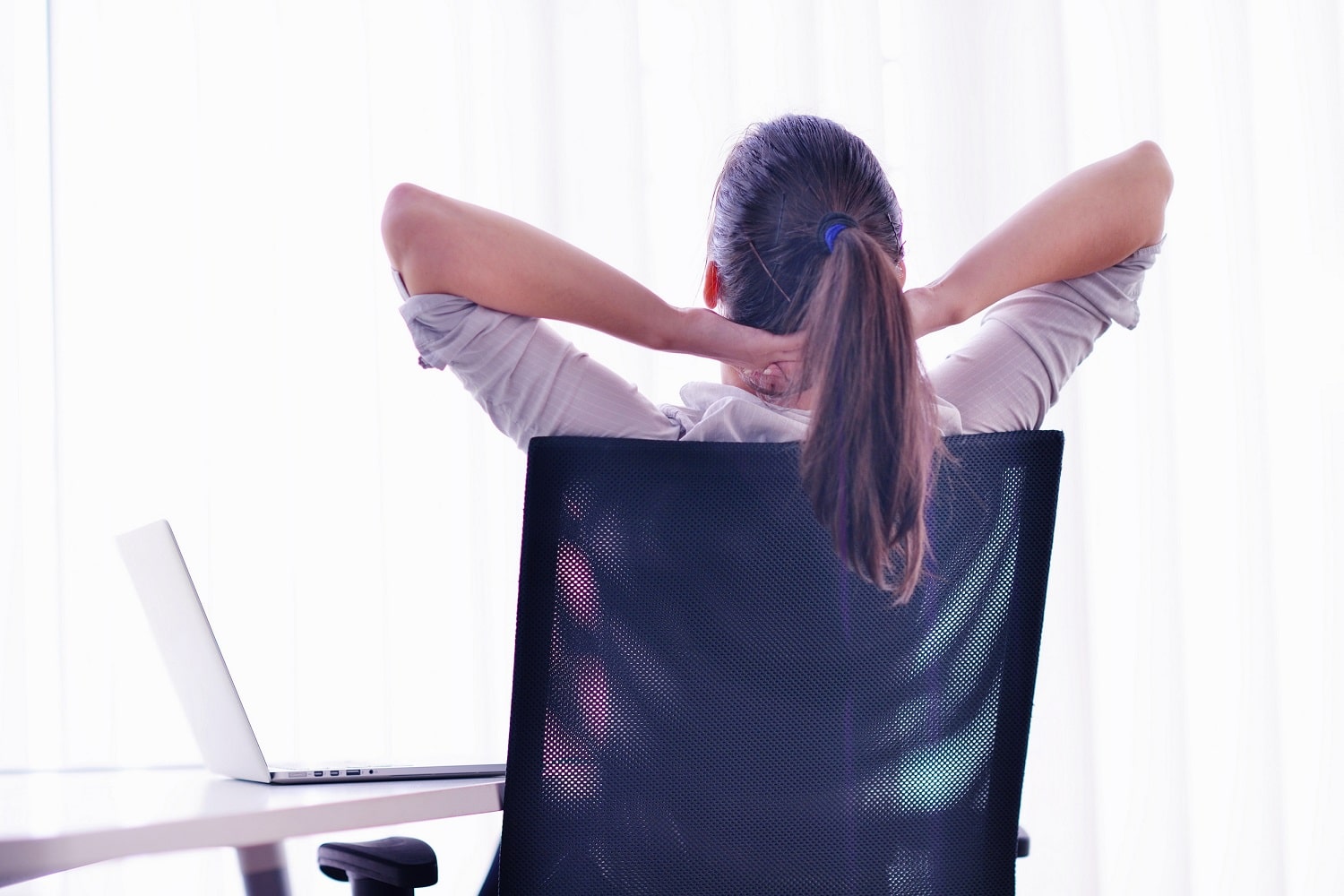
Sedentary lifestyle - symptoms, ailments and health consequences
The number of people complaining of back pain is growing exponentially. It's no secret why. Society is increasingly leaning towards a sedentary lifestyle. This applies to young people, working professionals, and the elderly alike. Our daily routines are becoming increasingly stagnant, and this can have serious consequences for our health. Back pain is just the tip of the iceberg of ailments we will face in the future.
The obvious solution to maintaining full physical and mental fitness for years to come is exercise. But are we aware of its importance and the potential consequences? I'll answer these questions in the following article.
Hypokinesia, a consequence of a sedentary lifestyle
Industrial society brings with it convenience, but also health challenges. Hypokinesia, or insufficient physical activity, has become our modern enemy. Spending most of our time sitting, for example, at work, can trigger a cascade of negative effects on the body. From the circulatory system to the musculoskeletal system, hypokinesia has far-reaching consequences.
How does sitting too long affect the circulatory and respiratory systems?
Prolonged sitting leads to chest stiffness and reduced breathing rate. Insufficient oxygen delivery to the lungs affects blood circulation and oxygen distribution to tissues. This, in turn, hinders nutrient delivery and toxin removal. The effects of this process can range from fatigue to serious cardiovascular disease.
The body needs movement
Remaining in one sitting position for long periods, whether at work or relaxing with your favorite TV show after returning home, poses a serious risk to joints and muscles. These crucial components of the musculoskeletal system cannot remain passive for long periods, as this can lead to numerous problems. Limiting the natural range of motion in joints leads to shrinkage of joint capsules and shortening of muscles. This, in turn, leads to a loss of flexibility and muscle strength, and increases the risk of injury. It becomes increasingly difficult to maintain proper posture and perform daily activities.
Hypokinesia and its effects on the spine
Let's examine the impact of hypokinesia on the spine. Prolonged sitting can lead to dehydration of the intervertebral discs, causing them to lose their shock-absorbing properties. This results in reduced flexibility and increased fragility of these structures. Prolonged sitting can ultimately lead to disc herniation, or damage to the intervertebral discs. Symptoms range from back pain to numbness in the limbs.
Exercise as medicine and the key to health
Exercise isn't just a benefit, it's a necessity. Like medicine, it must be properly dosed. I encourage you to incorporate physical activity into your life to maintain health and fitness. Building physical fitness and muscle strength in your youth and adulthood can help you avoid many health problems. If you've been sedentary for a long time, it's never too late to start taking care of your body. Exercise, as medicine and the key to health, is invaluable, especially for people who spend most of their time sedentary. Regular physical activity can significantly reduce the risk of many chronic diseases, which are often the result of a lack of exercise. Research confirms that even short but regular exercise sessions can bring long-term health benefits, regardless of age or previous lifestyle.
Let's remember that exercise is the key to health. Let this be the motivation to engage in daily physical activity that will allow us to enjoy full fitness at every stage of life.
Fabian Burakowski, M.A.
Physiotherapist, head of the rehabilitation department at Luxmed Medical Center
sources:
Schmid, Daniela, and G. Colditz. “Sedentary behavior increases the risk of certain cancers.” Journal of the National Cancer Institute 106.7 (2014).
Frequently asked questions – FAQ
What is a sedentary lifestyle?
A sedentary lifestyle involves prolonged periods of sitting with little physical activity throughout the day. This includes desk work, studying, driving, and spending time in front of a screen.
What symptoms can a sedentary lifestyle cause?
Sitting for long periods of time can cause back, neck and shoulder pain, muscle stiffness, tension, headaches, leg swelling, a feeling of heaviness, fatigue and a decrease in overall fitness.
How does sitting affect the spine?
Prolonged sitting can overload the spine, especially the cervical and lumbar regions. Poor posture contributes to muscle tension, back pain, and limited mobility.
Does a sedentary lifestyle affect circulation?
Yes. Prolonged sitting can impede proper blood flow in the lower limbs, promote swelling, a feeling of heavy legs, and increase the risk of vascular problems in predisposed individuals.
What are the health effects of a sedentary lifestyle?
Low physical activity can contribute to excess weight, back pain, poor fitness, metabolic disorders, circulatory problems, muscle weakness and poor well-being.
How to limit the effects of prolonged sitting?
It is worth taking short breaks to move, change position, get up from your desk, stretch, take the stairs, ensure an ergonomic workstation and regular physical activity.
How often should you take breaks from sitting?
It's best to take a short break to move every 30–60 minutes. Even a few minutes of walking, stretching, or changing positions can reduce muscle tension and improve comfort.
When should you see a specialist for pain from sitting?
Consultation is indicated when back, neck, head or limb pain persists, worsens, radiates, limits movement, or is accompanied by numbness, tingling, muscle weakness or leg swelling.