
Winter diet – what is worth knowing
Dietitian Natalia Parulska, M.A
Winter is a season that doesn't offer a wide variety of products, such as fruits and vegetables. This period causes good habits related to water consumption, fruit and vegetable consumption, and overall variety in meals to falter. We often eat the same things because we simply can't think of anything else. However, it's worth ensuring a varied diet in winter to maximize our nutritional intake.
Winter diet –what products to choose ?
Let's pay attention to frozen foods and pickled vegetables. Don't just include sauerkraut or cucumbers in your diet. You can pickle virtually any vegetable; beetroot is a great option for winter pickling. Due to the significant salt content, pickled vegetables should be used in limited quantities by people with hypertension.
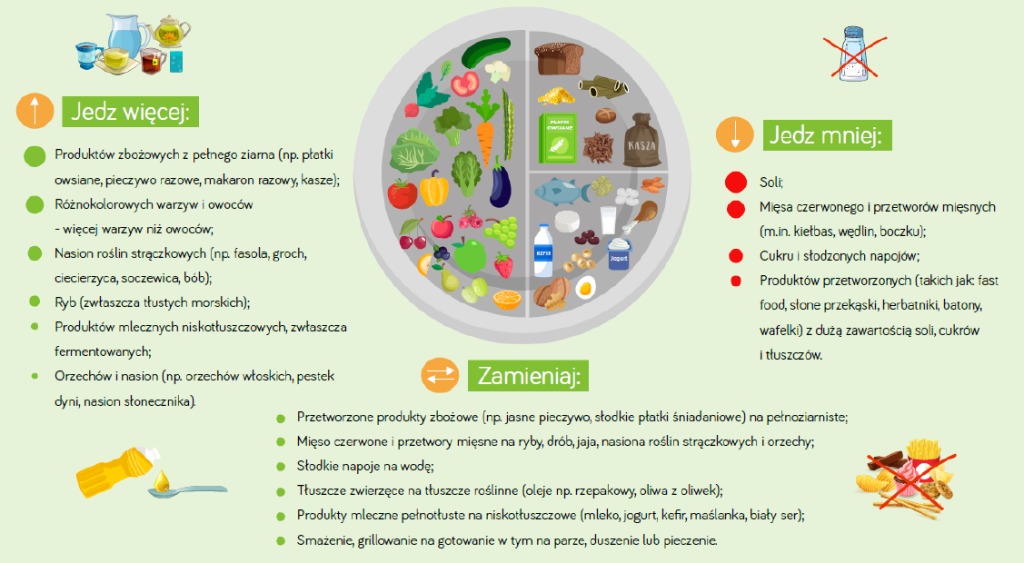
Let's make sure our diet is well-balanced, trying to use products from all groups: colorful vegetables, and to a lesser extent fruit, cereal products (especially whole grains, e.g. groats, oatmeal, whole-grain pasta, whole-wheat bread), lean meat, fish (especially fatty ones), low-fat, unsweetened dairy products, eggs, legumes (beans, soybeans, lentils, chickpeas), vegetable fats (oils, sunflower seeds, pumpkin seeds, walnuts, hazelnuts, almonds).
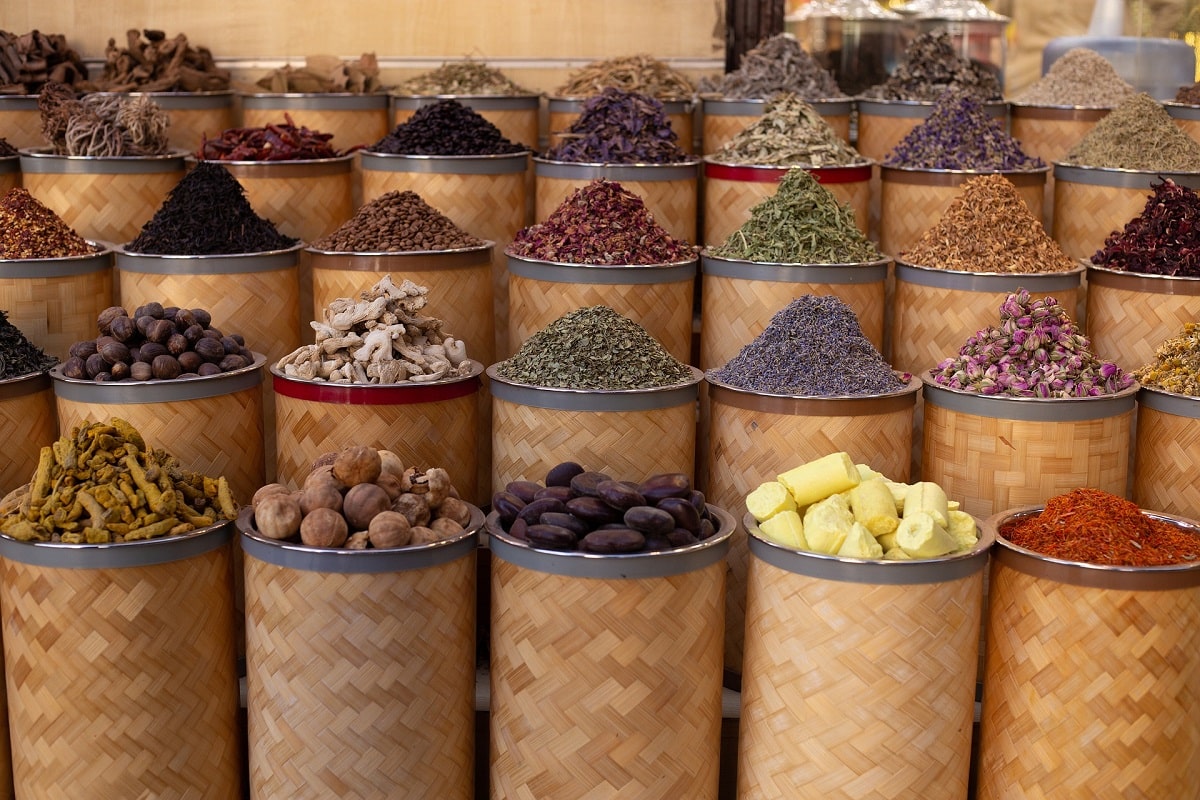
You can enrich your diet with spices that have anti-inflammatory , antiviral, antifungal, antibacterial, or simply warming properties . These include turmeric, ginger, cinnamon, nutmeg, pepper, cloves, cardamom, anise, oregano, black cumin, as well as common horseradish and garlic .
In winter, due to the low temperatures outside, we can increase the frequency of hot meals throughout the day. We usually eat a hot dinner, but a warm breakfast such as oatmeal, a soft-boiled egg, or an omelet can be a pleasant start to the day.
When planning meals, we can take the plate as a model:
How to eat to avoid gaining weight?
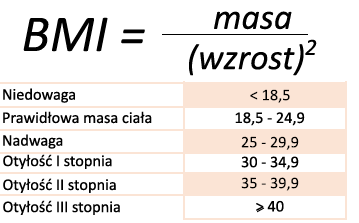
Maintaining a healthy weight is important when dieting during the winter. If your BMI (Body Mass Index) exceeds 25 kg/m², first eliminate empty calories from your diet—foods that provide significant amounts of energy without providing much nutritional value:
- all kinds of sweets – cakes, cookies, bars, candies, jellies, etc.,
- chips, crisps, sticks, salty nuts and other snacks of this kind, also watch out for seemingly "light" snacks - rice wafers, flatbreads, rusks, wafers,
- carbonated drinks, non-carbonated fruit drinks, nectars, ice tea, flavored waters, energy drinks, alcohol,
- sugar added to sweeten drinks and its other forms, e.g. brown sugar, fruit syrups, honey,
- sweet breakfast cereals, store-bought granola and crunch muesli,
- sweetened dairy products (flavored yogurts, homogenized cheeses, flavored milks…),
- fast food and deep-fried food, e.g. French fries, breaded cutlets,
- flour dishes, e.g. potato dumplings, dumplings, gnocchi.
If it is difficult to create a well-balanced menu on your own, it is worth seeking the help of a specialist - a Lublin dietitian will help you adjust your diet to your age, health condition and daily needs.
How to calculate BMI?
Diet during infection and senior's plate
If there are elderly people in your household, make sure their diet is varied. It's crucial to ensure it includes high-quality protein, primarily from eggs, lean meat, fish, or low-fat dairy products. Sometimes, older people deliberately eliminate protein sources due to difficulty chewing or swallowing food. As they age, discomfort after consuming dairy products can also increase. Try to make it easier to consume high-protein foods by grinding the meat before processing (e.g., by making ground meatballs) or purchasing lactose-free dairy products.
If we want to increase the caloric value of a meal without increasing its volume (lack of appetite), we can use ground nuts, which can be added to oatmeal or yogurt.
Let's ensure that dishes are inviting, meaning they are presented in an aesthetically pleasing manner. It's worth incorporating color, using various colored vegetables and fruits, and freshly squeezed juices – each color will provide different nutrients, for example, orange for carotenoids, purple for anthocyanins, green for folates, and red for lycopene.
We should adopt the same strategy during an infection accompanied by a decrease in appetite and loss of smell and/or taste.
Frequently asked questions – FAQ
What should a winter diet look like?
A winter diet should be varied and well-balanced. It's worth including vegetables, fruit, whole grains, lean meats, fish, dairy products, eggs, legumes, and vegetable fats.
What to eat in winter when there are no fresh vegetables?
In winter, it's worth reaching for frozen foods and pickled vegetables, such as cabbage, cucumbers, or beets. However, pickled foods should be consumed in moderation, especially if you have high blood pressure, due to their salt content.
What products to choose in winter?
It is worth choosing products from various groups: whole-grain groats, oatmeal, whole-wheat bread, fish, lean meat, eggs, unsweetened dairy products, legumes, nuts, seeds and vegetable oils.
What spices are worth using in winter?
Your winter menu can be enriched with warming spices such as ginger, cinnamon, turmeric, cloves, cardamom, pepper, nutmeg, oregano, black cumin, horseradish and garlic.
Is it worth eating warm meals in winter?
Yes. In winter, you can choose warm meals more often, not just dinner. A good start to the day can be oatmeal, a soft-boiled egg, an omelet, or another warm, nutritious meal.
How to eat in winter to avoid gaining weight?
It is worth limiting products that provide a lot of calories and little nutritional value, such as sweets, salty snacks, sweetened drinks, sweetened dairy products, fast food and deep-fried foods.
How to take care of a senior's diet in winter?
A senior's diet should be varied and include high-quality protein, such as from eggs, lean meat, fish, or dairy products. If chewing is difficult, it's best to choose foods that are easier to eat.
What to eat when you have an infection and a decreased appetite?
During an infection, it's important to eat light, nutritious, and aesthetically pleasing meals. Colorful fruits and vegetables, high-quality protein, and foods that are easy to eat despite a decreased appetite can be helpful.