
Gout – symptoms, causes, treatment, diet
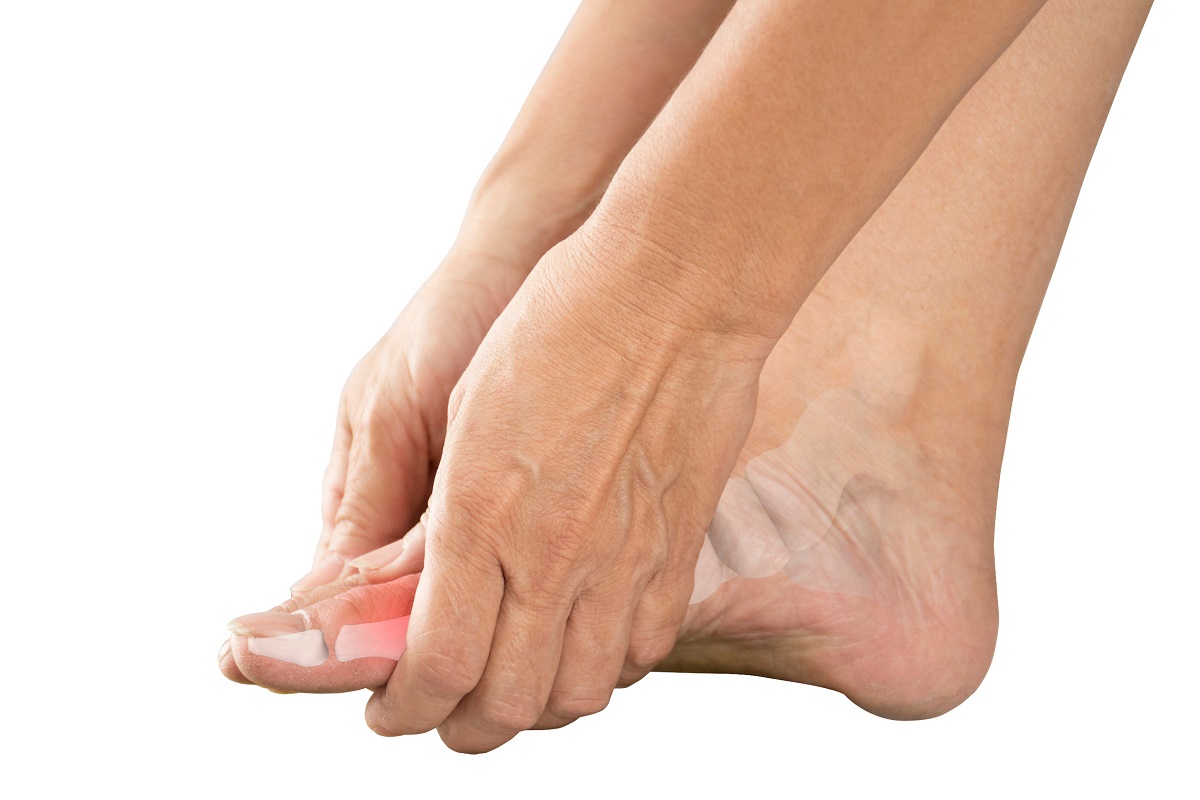
It most often begins with an attack of inflammation in a single joint. This is usually the joint at the base of the big toe, but other joints can also be affected, including the knee, shoulder, and fingers. Unbearable pain typically occurs at night. The joint becomes swollen, and the overlying skin becomes red and hot. Fever, chills, and a general feeling of malaise may also occur.
These symptoms subside within a few days. If gout is not treated appropriately, further attacks occur, becoming increasingly frequent and affecting more joints. After a dozen or so years, the disease progresses to a chronic phase, in which symptoms, although less severe, persist.
What are the characteristics of gout and what are its symptoms? – we asked this question to rheumatologist Dr. Barbara Nieradko-Iwanicka .
Gout affects 2.5-6.2% of the population. The most common location of this disease is inflammation of the metatarsophalangeal joint of the big toe. It is caused by the deposition of monosodium urate crystals in the tissues. It most often affects joints, which typically manifests as attacks of severe pain, swelling, and limited mobility of the affected joint.
The disease progresses in several stages:
- asymptomatic increase in serum uric acid concentration (hyperuricemia), i.e. >6mg/dl
- attacks of acute arthritis (most often it is gout, i.e. inflammation of the metatarsophalangeal joint of the foot)
- interictal period
- period of chronic arthritis
Over time, deposits of monosodium urate crystals in the joints cause the destruction of cartilage and bone tissue, as well as the surrounding tendons and ligaments, leading to joint deformities and disability.
Crystal deposits also form in other parts of the body, forming so-called tophi. On the skin, they most often appear on the auricles and around the joints of the feet and hands. Sometimes, they become painfully inflamed. Tophi also appear in internal organs. They can be large enough to compress nearby nerves, causing conditions such as carpal tunnel syndrome, so surgical removal is sometimes necessary.
In the advanced stages of the disease, damage to various internal organs occurs, primarily kidney disease and urolithiasis. This condition significantly impairs patients' quality of life.
Gout is caused by the buildup of monosodium urate crystals. Why does this happen?
In gout, uric acid levels are higher than in a healthy body (hyperuricemia), resulting from either excessive production or reduced excretion. Hyperuricemia itself is not a disease. Gout develops in only one in ten people with elevated uric acid levels. The reason for this remains unclear.
How common is gout?
Gout occurs primarily in middle-aged and older men. Women, who develop the disease after menopause, are less frequently affected. Recently, there has been a noticeable increase in the incidence of the disease among younger patients. The incidence of gout is increasing in parallel with other lifestyle diseases, such as overweight, obesity, hypertension, coronary heart disease, and diabetes.
What contributes to the development of the disease?
A diet high in purines (meat, offal, seafood) is cited as a major factor. Alcohol abuse (especially beer) is also a contributing factor. Certain medications, such as acetylsalicylic acid and diuretics, also increase uric acid levels. Sometimes, gout has a genetic predisposition
How to recognize gout? What tests should be done?
If gout is suspected, blood uric acid levels should be measured several times (they are usually significantly elevated). Renal function tests should also be performed to rule out chronic kidney disease as the primary cause of elevated uric acid levels. However, it's important to remember that uric acid levels may be normal during an acute gout attack.
To confirm gout, the joint fluid should be assessed under a microscope to check for the presence of monosodium urate crystals.
In addition to laboratory tests, X-rays are performed to check for erosions or narrowing of the joint space, as well as tophi. Joint ultrasound is also a helpful test for gout. It's also important to rule out the possibility of the patient suffering from another type of arthritis, such as rheumatoid arthritis.
What are the treatments for gout? What is the gout diet?
The aim of treatment is to maintain the serum uric acid level below 6 mg/dl (360 µmol/l), and in patients with severe gout with the presence of tophi and frequent arthritis attacks <5 mg/dl (300 µmol/l).
The basis for preventing attacks is a low-purine diet. Avoiding beer and concentrated alcohol is recommended. An alkalizing diet, rich in vegetables (except legumes) and dairy products, is recommended, as an alkaline environment makes it more difficult for monosodium urate crystals to precipitate. This diet is sufficient for patients with asymptomatic hyperuricemia (those with elevated uric acid levels in the blood but no history of acute arthritis). It's worth consulting a dietitian.
Nonsteroidal anti-inflammatory drugs (NSAIDs) are used to treat acute gout attacks, helping to control pain and inflammation in the joint. These are prescribed by a primary care physician for the first attack. Steroids are sometimes indicated, but their numerous side effects should be considered (they can increase blood pressure and blood glucose levels, and contribute to osteoporosis). This decision is usually made by a rheumatologist.
Treatment of gout is based on lowering uric acid levels, preventing further gout attacks, and eliminating sodium urate deposits from tissues.
Thank you for the interview