
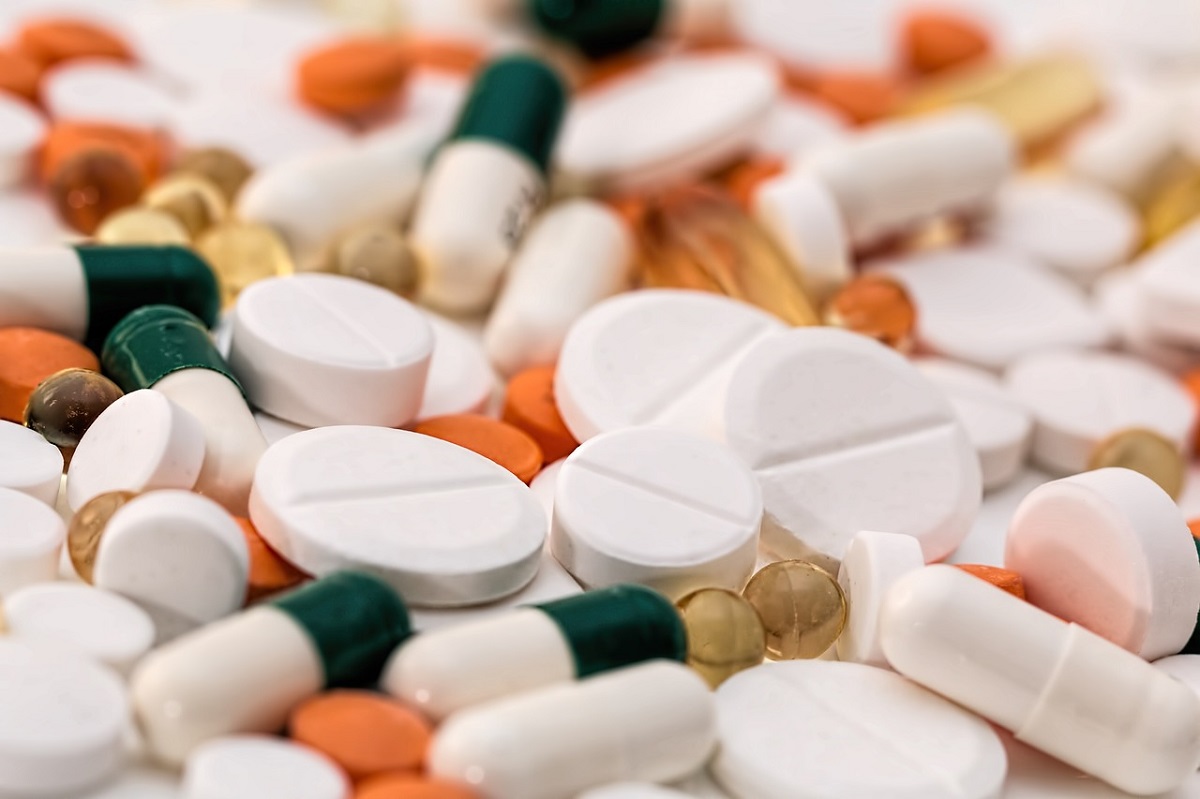
Antibiotics – Are They Harmful or Life-Saving? How to Use Them?
There are many myths surrounding them. However, there is no doubt that antibiotics are one of the greatest medical achievements of the 20th century, a fact we are not always aware of. They have contributed to extending human life and combating many diseases previously considered incurable.
So why is there so much aversion to them? There wouldn't be any if they were used responsibly. We've examined what you need to know about antibiotics.
Antibiotics are antimicrobial drugs that have the ability to kill bacteria or inhibit their growth. They are used to treat infections in humans and animals. Not all antibiotics are effective against every type of bacteria. A given antibiotic may be effective against one or more bacterial species.
It is important to remember that antibiotics are drugs for treating bacterial (non-viral!) infections .
Antibiotics do not reduce fever, they do not cure:
- flu,
- colds,
- most acute pharyngitis and bronchitis,
- cough,
- runny nose – the color of the runny nose does not indicate its character.
Using antibiotics to treat viruses is ineffective! Instead, it harms the natural bacterial flora, increasing bacterial resistance to antibiotics.
How to use antibiotics?
- strictly follow the doctor's recommendations,
- adapt to the treatment time (do not shorten it),
- monitor the dosage of antibiotics (do not lower the dose),
- observe the dosing frequency (e.g. do not take the antibiotic 3 times a day, only 3 times a day or every 8 hours).
Taking antibiotics incorrectly causes insufficient drug concentration in the body, which leads to bacterial resistance to future treatments. This, in turn, poses a health risk not only to the person taking the antibiotics incorrectly but also to those who may become infected with resistant bacteria.
When to use an antibiotic and how does it affect bacteria?
The antibiotic begins to work immediately after taking the medication. This process isn't immediately noticeable, as the body needs time to distribute the medication throughout the body. Typically, the first effects of therapy are felt after 2-3 days of proper antibiotic administration (as recommended by a physician).
The effectiveness of antibiotic therapy depends on numerous factors. How quickly we feel the drug's effects depends on factors such as the type of pathogenic bacteria, our general condition, compliance with the doctor's recommendations, the condition of our immune system, the presence of comorbidities, and age.
How to take antibiotics? Antibiotics and alcohol
Antibiotics are powerful medications. They fight pathogens, but they also affect organs and interact with regularly taken medications. They may react differently with foods, depending on the substances they contain.
It is important to remember that:
- do not take the antibiotic with juices, highly mineralized water, milk drinks, or drinks containing caffeine (coffee, tea, cola),
- it is best to take the antibiotic one hour before or two hours after a meal, with a glass of boiled, cooled water,
- Many side effects are observed after drinking alcohol (including nausea, vomiting, headaches, convulsions), moreover, alcohol weakens the effect of most antibiotics and additionally weakens the entire body, which delays the healing process - therefore, alcohol should not be consumed during therapy,
- multivitamin preparations may weaken the effect of antibiotics, they are a good breeding ground for bacteria – it is worth using them after completing antibiotic therapy,
- Excessive exposure to the sun is not recommended while taking antibiotics, as phototoxic reactions may occur (e.g. rash, burning, itching).
Are antibiotics harmful?
Antibiotics are a relatively safe group of medications, but like other medications, they can cause side effects. These are most often mild gastrointestinal symptoms such as nausea, diarrhea, vomiting, or skin rashes of varying severity, but they can also be more severe, even very severe, such as anaphylactic shock, high fever, joint pain, or severe antibiotic-associated diarrhea.
Most symptoms disappear after stopping the antibiotic, but you should always consult your doctor who will decide whether to change the medication.
Elderly people are at increased risk of adverse reactions. This age group is more susceptible to drug accumulation. Therefore, before prescribing antibiotics, the doctor should carefully review other medications the patient is taking, either chronically or periodically.
The use of antibiotics during pregnancy and breastfeeding always requires very careful consideration by the doctor whether there is a potential risk of this treatment for the expectant mother and fetus and whether the benefits of antibiotic therapy outweigh this risk.
How to strengthen immunity during antibiotic therapy?
The depletion of bacterial flora weakens the entire body, allowing pathogens to enter the body through the respiratory tract and intestines. This can ultimately lead to fungal infections. This can be prevented by implementing prophylactic measures during antibiotic therapy. How? By taking probiotics (bacteria responsible for the proper functioning of intestinal flora).
The doctor or pharmacist will select the appropriate probiotic preparation for the age and needs of the patient and the type of antibiotic.
Probiotics should also be taken according to your doctor's recommendations. Antibiotics destroy bacteria, including those contained in probiotics. Therefore, they should usually be administered separately, with a two-hour break between each preparation (there are preparations available on the market that can be taken concurrently with antibiotics).
Antibiotics, in addition to the bacteria that cause infections, also destroy those that are naturally present in our bodies and act as a barrier against the entry of all pathogens. Therefore, after antibiotic therapy, we are weakened and susceptible to further infections. In this situation, it is necessary to rebuild the microflora. How can this be achieved?
- ensure adequate rest after completing antibiotic treatment,
- take care of a nutritious diet,
- ensure that you do not engage in excessive exercise in the fresh air,
- Take a probiotic for at least a week after completing the treatment.
Diet during antibiotic therapy
During and after antibiotic treatment, it's essential to take probiotics and prebiotics. Both are available at the pharmacy, but it's worth remembering that natural probiotics can also help by changing dietary habits. The patient's diet should include fermented foods, kvass, and plenty of dairy products (sour milk, kefir, plain yogurt, buttermilk).
Another good solution is to adopt a prebiotic diet, rich in substances that stimulate the development of healthy intestinal flora. Unlike probiotics, prebiotics do not contain live bacterial cultures; they merely support their growth. They are sourced from plants that constitute our daily diet, such as onions, garlic, bananas, leeks, asparagus, chicory, wheat, potatoes, and honey.
Antibiotics are a medicine for disciplined people who remember and know that:
- You should never use an antibiotic left over from a previous antibiotic treatment.
- You shouldn't take an antibiotic "just in case.".
- It is absolutely necessary to follow your doctor's recommendations.
- The treatment cannot be interrupted, even after the symptoms have subsided.
- Remember to use probiotics.
- You should report any side effects to your doctor.
- Basic hygiene rules must be followed.
- If possible, infections must be prevented through vaccination.
- You should not keep any unused antibiotics (ask your pharmacist how to dispose of any leftover medicine).
- You have to take care of yourself!
Medical consultation with Barbara Rusinek, MD,
Family medicine specialist
1. Estany-Gestal, Ana, Angel Salgado-Barreira, and Juan Manuel Vazquez-Lago. Antibiotic Use and Antimicrobial Resistance: A Global Public Health Crisis. Antibiotics 13.9 (2024): 900. https://pmc.ncbi.nlm.nih.gov/articles/PMC11428428/
2. Prof. W. Hryniewicz, MD, PhD, P. Albrecht, MD, PhD, Prof. A. Radzikowski, MD, PhD. Recommendations for the management of out-of-hospital respiratory infections (2016). https://antybiotyki.edu.pl/wp-content/uploads/Rekomendacje/Rekomendacje2016.pdf