
Celiac disease diagnosis
An autoimmune disease characterized by digestive and intestinal absorption disorders related to intolerance to gluten contained in cereals – such a one-sentence definition could describe celiac disease, also known as coeliac disease.
Although not so long ago it was considered a disease of young children, it is increasingly affecting adults, even those 40 and older. Women account for 70% of all cases.
Recent research indicates that the most likely cause of the disease is a defect in the cell membrane of enterocytes. Genetic factors, as well as severe gastrointestinal infections, intense stress, and pregnancy, have also been implicated.
Why is gluten to blame?
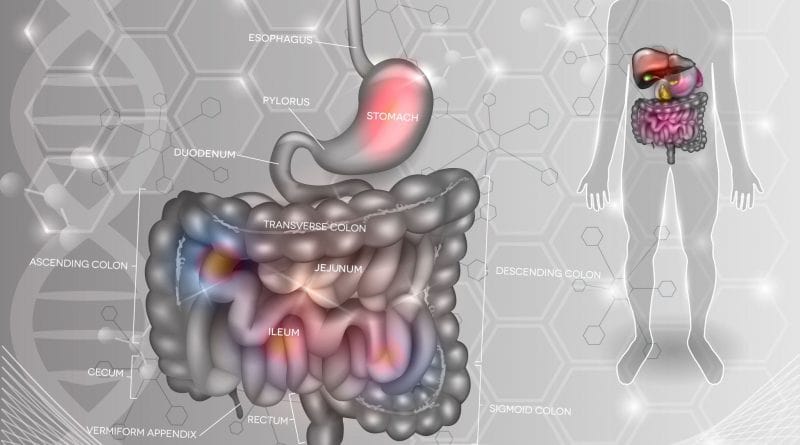
Gluten, penetrating the weakened intestinal barrier, triggers a series of immune system responses, including infiltration of the small intestinal mucosa and the development of anti-antibodies in the serum. Gluten, with its toxic effect, leads to the atrophy of the small intestinal villi—tiny projections of the mucosa responsible for nutrient absorption. As a result, food is absorbed in minimal amounts, leading to a variety of clinical symptoms. This is referred to as celiac disease, or celiac disease.
The most commonly observed symptoms include chronic diarrhea, abdominal distension, loss of appetite, vomiting, and emaciation. Secondary symptoms may also appear, such as anemia, rickets, hypovitaminosis, and cow's milk protein intolerance. Untreated celiac disease leads to serious health problems, including osteoporosis, mental disorders, and gastrointestinal cancers.
The silent form of celiac disease is difficult to diagnose. It primarily affects older children and adults. Symptoms rarely associated with celiac disease may occur, such as spinal curvature, anemia, delayed puberty, stomatitis, and herpes.
In Poland, only 3-5% of celiac disease cases are diagnosed. The remaining patients suffer without being aware of their condition. Although celiac disease cannot be cured, it is possible to live a normal life with it if specific guidelines are followed.
Celiac disease diagnosis
Autoantibody testing plays an important role in the diagnosis of autoimmune diseases. Modern laboratory tests can help diagnose or rule out celiac disease. This is achieved through special serological tests that detect autoantibodies produced in the body in response to dietary proteins found in grains. These antibodies cause inflammation and destruction of the intestinal mucosa.
The PolyCheck test quantitatively measures the concentration of two antibodies in the patient's serum, which increase in autoimmune diseases: deamidated gliadin IgA and transglutaminase IgA (tTG IgA). The test can be performed on children and adults with a history suggesting celiac disease, individuals suffering from chronic diarrhea, weight loss, abdominal pain, mood swings, and iron and vitamin deficiencies. It can be performed on family members of a person with celiac disease, patients with a known autoimmune disease, and individuals with anemia, as it is one of the symptoms of this disease.
Thanks to sensitive markers, antibodies can be detected many years before the clinical symptoms of celiac disease appear. Therefore, patients with confirmed antibodies should undergo regular testing.
The only treatment for celiac disease is a lifelong, strict gluten-free diet. Consulting with a dietitian will help determine the appropriate diet.
REMEMBER! Every diagnostic test result should be interpreted by a specialist. Only a physician, based primarily on a clinical interview and additional laboratory tests, can make a correct diagnosis.