
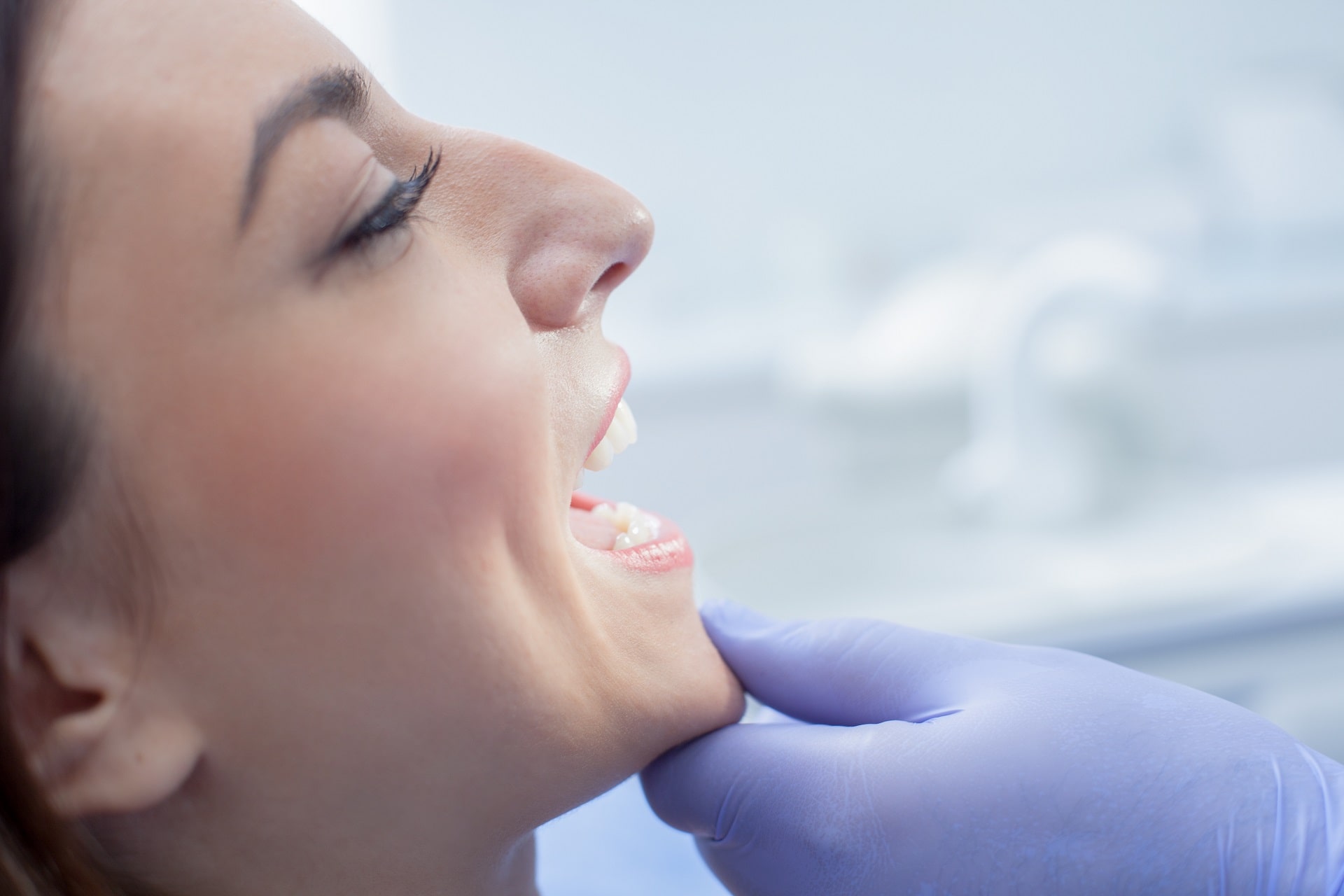
Dentist during pregnancy – truth and myths
Dentist during pregnancy. If you're pregnant and haven't had time to get your teeth checked out yet, don't delay. Healthy teeth and gums are important not only for you but also for your baby. Bacteria spread throughout the body through the bloodstream and reach the fetus through the placenta. They can cause intrauterine infections and serious complications.
It is estimated that approximately 18% of preterm births and low birth weight births are related to maternal periodontal disease and oral inflammation. Therefore, appropriate prevention and treatment are particularly important.
Do teeth decay more during pregnancy?
Dental deterioration during pregnancy is primarily hormonal. Hormonal levels increase capillary permeability, leading to gum swelling and bleeding. Pain and swelling cause us to brush our teeth gently and less thoroughly. Food and blood residues remain in the spaces between teeth, providing an excellent breeding ground for bacteria. Plaque and tartar develop, and this is the quickest route to tooth decay.
The severity of dental caries during pregnancy is primarily due to poor oral hygiene, increased appetite, and frequent snacking on high-carbohydrate foods.
Therefore, the problem is not that the developing baby is depriving the mother of valuable minerals. Enamel demineralization is more likely a result of vomiting, which occurs in over half of women in the early stages of pregnancy. Unfortunately, the effects of low-pH gastric juice have a negative impact on the hard tissues of teeth.
Can you have dental treatment during pregnancy?
If appointments are planned, it's best to visit the dentist during the second trimester of pregnancy. Of course, we're not talking about acute conditions that require immediate action. Gingivitis, periostitis, or abscesses can pose a threat to the baby and cause miscarriage or premature birth.
Similarly, a tooth requiring root canal treatment should not be left alone. Failure to eliminate the infection will result in the spread of inflammation. In dentistry, endometers are used for root canal treatment, allowing for the measurement of the canal's length and filling without the need for X-rays.
Dental X-ray
Especially during the first trimester, radiation can be harmful to the fetus. Fortunately, today's digital technologies allow for minimal exposure. Therefore, if dental X-rays become necessary, digital radiography can be performed.
Anesthesia at the dentist during pregnancy
Anesthesia during pregnancy. Treatment should certainly not be performed under general anesthesia. The use of local anesthetics in pregnant women is safe. The pregnant woman should inform her physician, who will then select the appropriate anesthetic. Anesthesia without vasoconstrictors is used in pregnant women.

Professional teeth cleaning
It's also highly recommended during pregnancy. Dental hygiene treatments – removing plaque, tartar, and tartar protects against bacterial growth and the development of cavities. Dental scalers, sandblasters, and polishing brushes are available, and none of these methods have a negative impact on the fetus.
Teeth whitening
It is not recommended for pregnant women due to the lack of research on the safety of this procedure during pregnancy.