
SIBO Diet Therapy – What is Worth Knowing?
So, diet for SIBO
Do you often experience bloating, abdominal pain, diarrhea, or other digestive issues? Perhaps you struggle with weight management or suffer from vitamin deficiencies? If so, it's possible you have SIBO (small intestinal bacterial overgrowth). The symptoms of SIBO can be confusing. They often resemble those of other digestive conditions, such as irritable bowel syndrome (IBS). Therefore, until recently, diagnosing this condition has been difficult and treating it has been challenging.
We now know how to effectively diagnose and treat SIBO, and dietary therapy plays a key role. This article will provide essential information about the SIBO diet, including which foods to avoid and recommendations for adopting a low-FODMAP diet. We will also explore aspects of SIBO treatment, such as antibiotic therapy and probiotic supplementation. Knowledge about SIBO dietary therapy can be crucial for those struggling with this condition. It will help improve quality of life and digestive health.
SIBO – why are bacteria so important?
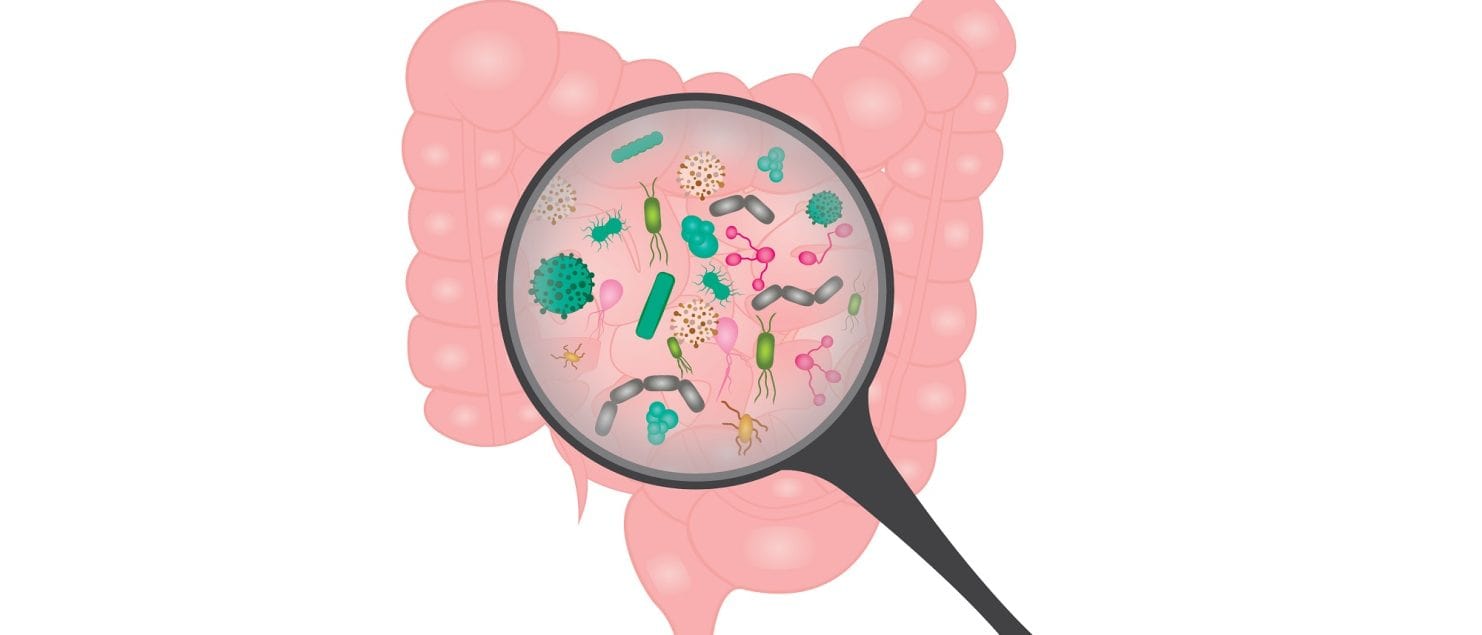
SIBO is a condition in which bacteria normally found in the large intestine begin to multiply and colonize the small intestine. The bacterial flora of the gastrointestinal tract is fundamental to the immune system and metabolism. Bacteria residing in the intestines produce important substances such as butyric acid, folate, and vitamin K. The main bacteria inhabiting the gastrointestinal tract are from the Firmicutes, Proteobacteria, Actinobactera, and Bacteroides families. Therefore, it is crucial that the balance of our intestinal flora is consistently maintained.
Disturbances in the composition of our gut flora can have health consequences. One such disorder is SIBO (small intestinal bacterial overgrowth). Excessive bacteria in the small intestine can ferment the food we eat, leading to the production of gases such as hydrogen and methane. These gases can cause discomfort, bloating, abdominal pain, and other symptoms associated with excess gas.
Causes of small intestinal bacterial overgrowth
There are many causes of SIBO, and it's difficult to pinpoint a single most important factor that increases the risk of the disease. The literature most frequently cites:
- previous intestinal infections,
- autoimmune diseases,
- dysbiosis induced by long-term antibiotic therapy,
- endometriosis.
Incidence of SIBO
Data on the prevalence of SIBO vary. The average value can range from 2.5% to as much as 22% of the population. These estimates vary depending on the underlying disease. For example, in patients diagnosed with irritable bowel syndrome (IBS), the prevalence of SIBO ranges from 35% to as much as 80%.
SIBO is also common in patients with:
- celiac disease,
- Crohn's disease,
- hypothyroidism,
- lactose malabsorption syndrome,
- liver cirrhosis.
Interestingly, people with obesity may have a certain predisposition to SIBO. This is due to the multifaceted nature of obesity, which can also lead to changes in the gut microbiome.
Symptoms and health consequences of SIBO
Initially, SIBO may develop asymptomatically or may present symptoms similar to IBS:
- abdominal bloating,
- abdominal pain,
- diarrhea,
- abdominal discomfort.
Importantly, untreated SIBO can lead to:
- unintentional weight loss of the patient (thereby increasing the risk of malnutrition),
- anemia,
- skin diseases (e.g. acne),
- liver diseases,
- vitamin D or vitamin B12 deficiency.
Diagnosis and treatment of SIBO
A good diagnostic tool for SIBO is a hydrogen breath test. This diagnostic method is non-invasive, easy to administer, and scientifically proven effective. The test is justified because the amount of hydrogen exhaled by the patient determines metabolic activity and the number of anaerobic bacteria in the intestines. This allows for the diagnosis of SIBO.
It's important to properly prepare for the test. For 1-2 days before the test, patients should avoid foods high in fermentable carbohydrates (high FODMAP). On the day of the test, fasting is essential. Proper preparation for the test is crucial. More information on preparation and the test itself can be found here: Hydrogen Breath Test – SIBO Diagnosis .
One of the cornerstones of SIBO treatment is antibiotic therapy. It involves the use of broad-spectrum medications, which help restore balance within the intestinal flora. Following antibiotic treatment, probiotic therapy is also crucial, further inhibiting the growth of the bacteria responsible for SIBO symptoms.
What should a SIBO diet look like? What is the low FODMAP diet?
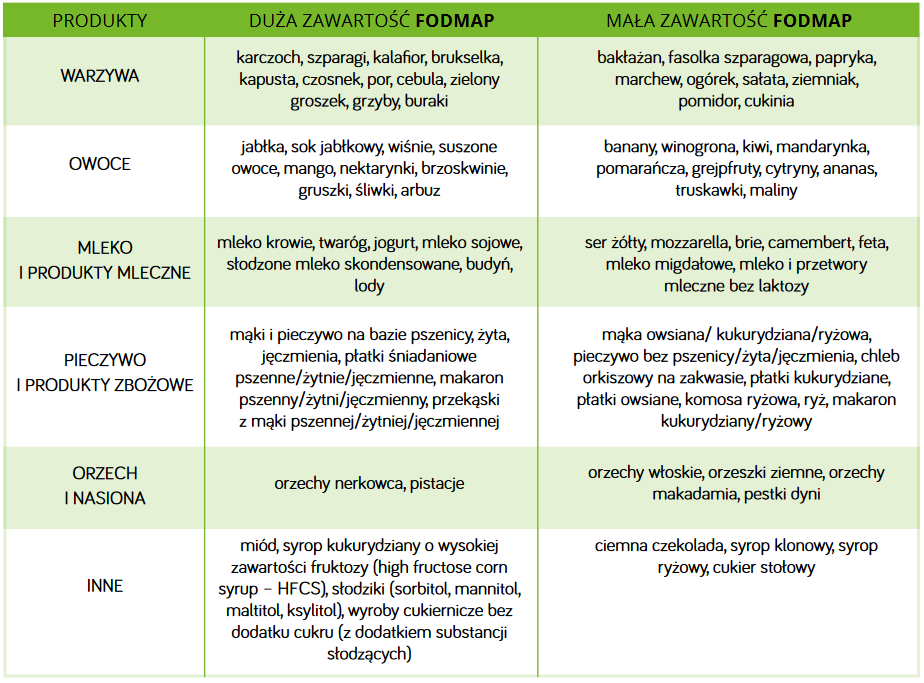
The key to treating SIBO is, of course, a proper diet. Scientific studies suggest that a low-FODMAP diet, limiting easily fermentable carbohydrates, works best (a table of low-FODMAP and high-FODMAP products is provided below). This diet should be followed after antibiotic therapy. This dietary model can alleviate the symptoms characteristic of SIBO or IBS. The condition is recurrent, so it's worth working on lifestyle changes and developing appropriate eating habits on a regular basis.
The foundation for improving your well-being and health is ruling out more serious digestive conditions and making a proper diagnosis. If you suspect you have SIBO because you experience the symptoms mentioned above, it's important to consult a gastroenterologist. Your doctor will refer you for tests to make a correct diagnosis and develop a treatment plan that will include antibiotics, dietary changes, and lifestyle changes. An effective approach to treatment is to follow a carefully formulated diet under the supervision of a qualified dietitian.
Hydrogen Breath Test – SIBO Diagnosis – Check Details
Author of the text
: Maciej Pokarowski, MA, Dietitian