
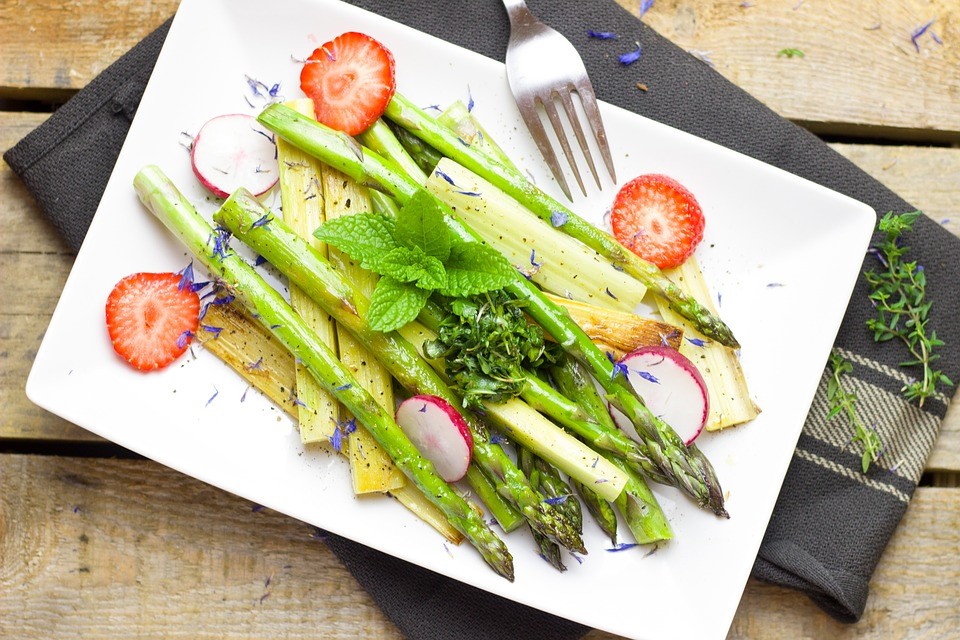
Summer vegetable garden
Summer means strawberries, beet greens, and rhubarb.
I always tell my patients that a diet based on seasonal produce is best.
Fruits and vegetables don't have to sit in containers for weeks, losing their nutritional value. Fruits are harvested at the peak of the season, when they ripen on bushes and trees, in their natural habitat. Vegetables actually grow in the ground. You must admit that the taste of a strawberry picked in summer is incomparable to that of an imported strawberry in winter.
Let's check what seasonal fruits and vegetables are worth choosing in the summer
Strawberries, blueberries, lingonberries, and currants
are valuable sources of vitamin C and anthocyanins, providing antioxidant properties.
In summer menus, I recommend them as an addition to oatmeal, an ingredient in smoothies, and as light desserts and sorbets. Their low sugar content and low calorie count are arguments for including them in your summer diet.
Peaches, apricots, and nectarines
contain valuable beta-carotene, vitamin C, and high fiber.
Eating these fruits has a beneficial effect on eyesight, the condition of acne-prone skin, and is also beneficial for hyperacidity.
It's important to remember that apricots in larger quantities may have a laxative effect,
as the dietary fiber they contain accelerates intestinal peristalsis.
Chard, sorrel, and spinach
are a treasure trove of folic acid, but also oxalates, which can be an undesirable dietary component in cases of kidney stones, for example.
Spinach and chard can be an interesting addition to salads, and can successfully replace arugula or iceberg lettuce.
I also recommend them for a vegetable tart.
New potatoes.
There's nothing better than new potatoes with dill and a fried egg.
There's a widespread belief that potatoes are fattening. Excess calories "fatten you."
Due to their frequency of consumption in Poland, potatoes are one of the main sources of vitamin C.
They also contain a lot of potassium (especially when cooked in their skins or steamed), so it is worth including them in your diet, especially if you have high blood pressure.
Tomatoes
go well with everything – pasta, soup, sandwiches, salads.
Tomatoes contain lycopene, which has strong anti-cancer properties. They are also rich in potassium and vitamin C.
This is definitely my most frequently recommended vegetable in diets.
One large tomato, approximately 200g, contains less than 40 calories.
Cauliflower, broccoli.
These low-calorie vegetables are a source of vitamins and minerals.
They contain significant amounts of magnesium, calcium, and B vitamins.
Broccoli and cauliflower are sources of sulforaphane, which has anti-inflammatory and anti-cancer properties.
White and green asparagus
I recommend green asparagus – they don't need to be peeled and have a higher nutritional value. Steaming is best. This way, they won't lose their nutritional value as they would with traditional cooking. Asparagus contains B vitamins and folate. A 300g bunch of asparagus has only 60 calories, and you can use it to create a truly filling summer dish.
Sample dishes from the grocery store, for dinner and more
Fried eggs with new potatoes and asparagus
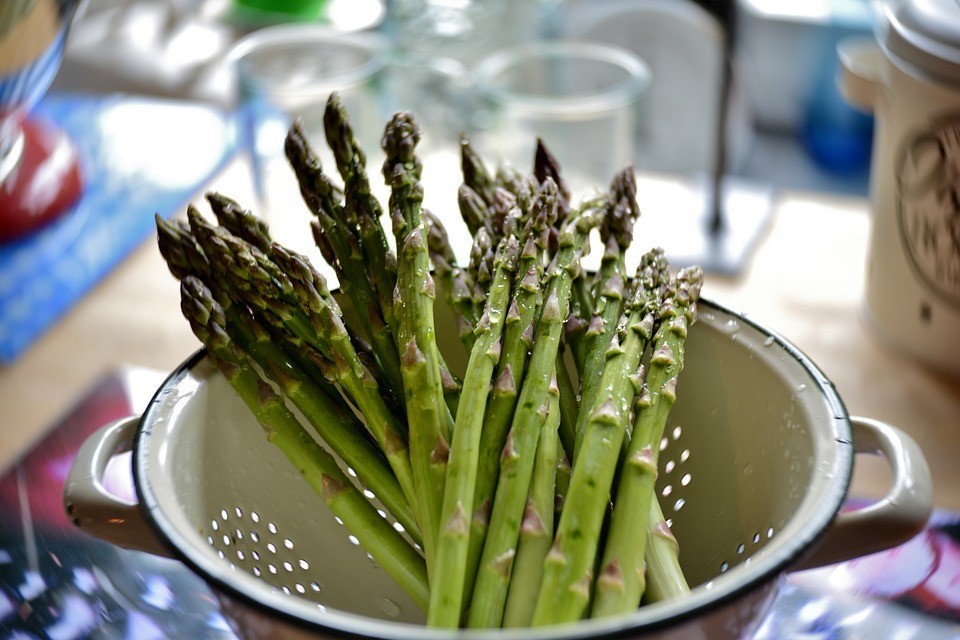
Fry the fried eggs in a non-stick pan. Steam the potatoes and asparagus. Sprinkle the potatoes with fresh dill and drizzle with olive oil.
- Eggs 100g (2 pcs.)
- New potatoes 280g (3 pcs.)
- Dill 2 g
- Olive oil 10g (tablespoon)
- Asparagus 300 g (approx. 10 pcs.)
Total 493 kcal
Rye toast with mozzarella, tomato and spinach
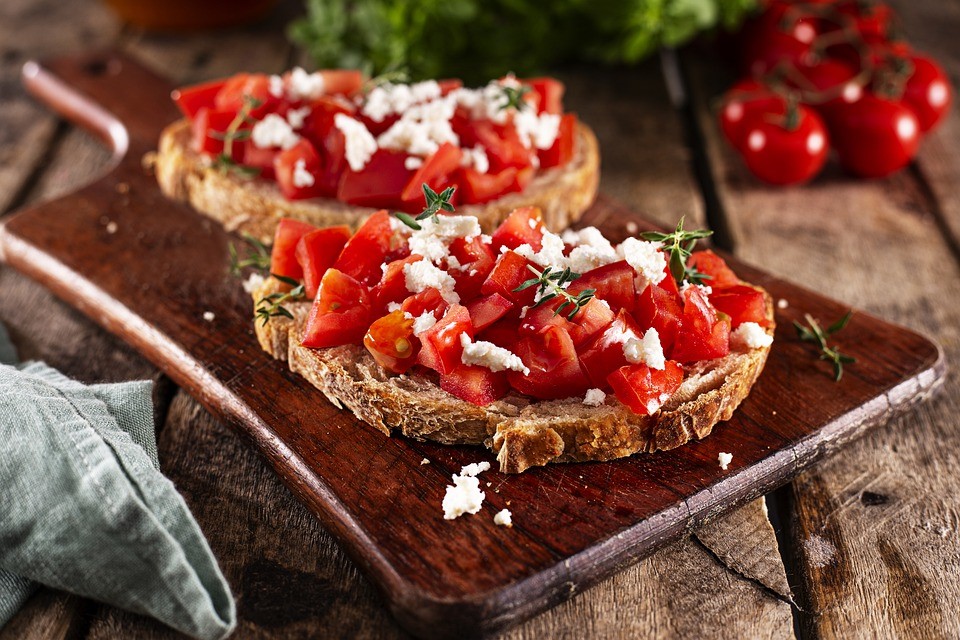
Place tomato slices, spinach, and a slice of mozzarella cheese on the bread. Bake in the oven for 5-10 minutes at 200 degrees Celsius, until the cheese melts.
- Rye bread 105 g (3 slices)
- Mozzarella 8.5% 120 g (ball)
- Fresh spinach 50g (2 handfuls)
- Tomato 180g (piece)
- Basil
- pepper to taste
Total 505 kcal
…and something for dessert
Strawberry dessert
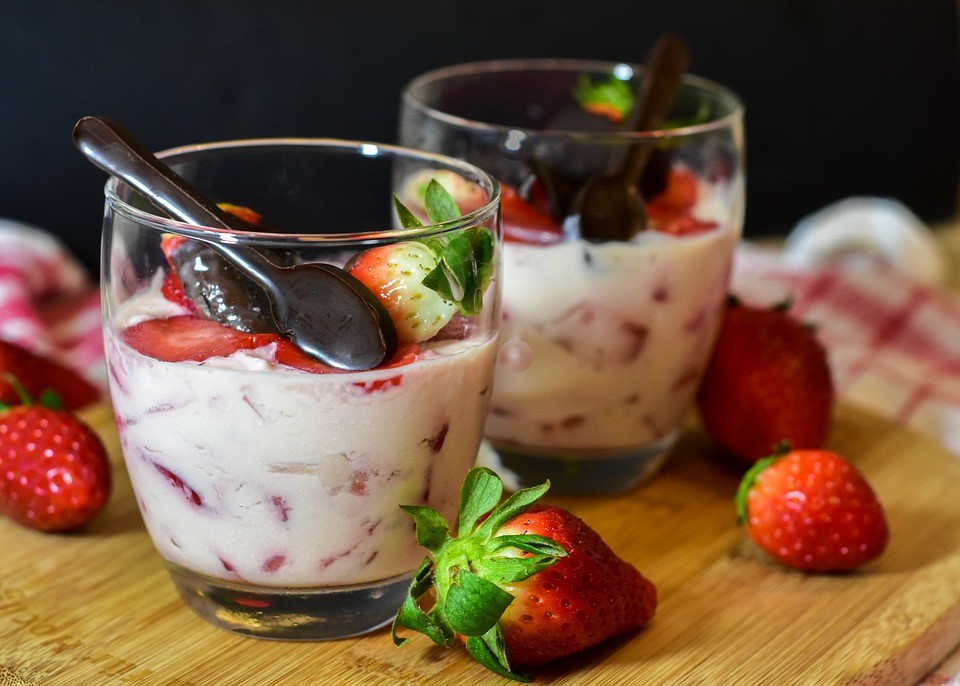
Wash the strawberries and cut them in half. Transfer to a bowl. Add the skyr and sprinkle with almonds.
- Natural Skyr 150g (pack)
- Almonds 15 g
- Strawberries 160g (glass)
- Optionally erythritol
Total 240 kcal
Anna Chmielewska-Jańczak, MSc, Dietitian