
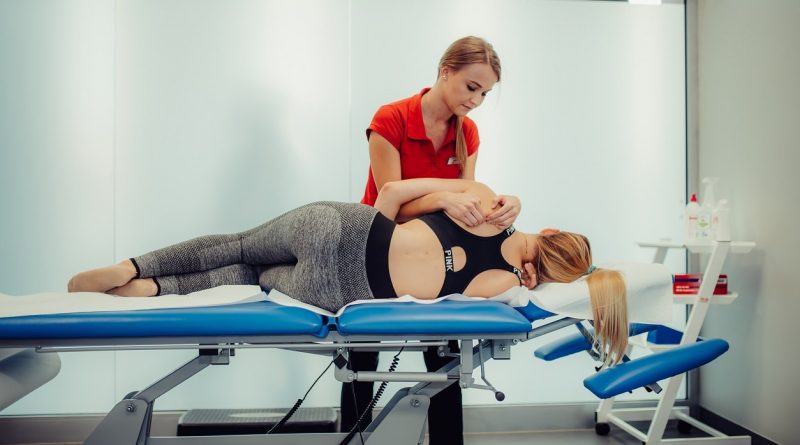
Mobilization, is it as effective as they say?
Mobilization is far more popular than most rehabilitation methods. Why is this the case, and is it a therapy for everyone? Is the effectiveness of manual therapy truly so high? We asked our experts why manual therapy is so popular and what it actually is.
Manual therapy is a constantly evolving method of treating various musculoskeletal dysfunctions using the therapist's hands, applied after a thorough patient diagnosis. Its goal is to effectively and quickly improve the patient's quality of life and restore their mobility to the greatest extent possible. Proper diagnosis is key, and to achieve this goal, we utilize specialized tests, individually tailored grips, pressures, and manipulations. Most importantly, we approach the problem comprehensively. All the steps we take in our office are aimed not only at relieving the symptoms of pain but, above all, at treating its underlying cause. Based on the interview and tests, the Lublin physiotherapist selects the most effective manual therapy method for the patient's current functional status.
This is undoubtedly one of the main reasons for the popularity of this method, says physiotherapist Przemysław Podbielski.
Mobilization is the basis of rehabilitation
– Physiotherapist Wojciech Solis. – Now for some details. Before beginning therapy, the physiotherapist conducts an interview with the patient and performs a palpation (touch) and functional examination of the musculoskeletal system. This examination is performed both at rest and during movement. The therapist assesses the appearance and consistency of soft tissues, the range and quality of movement of bony elements, and the nature of resistance encountered during the movement of individual structures of the musculoskeletal system relative to each other. The therapist examines active and passive movements of the spine and joints, and assesses the musculoskeletal system's response to factors harmful to its structures.
What are the indications for using mobilization?
– Przemysław Podbielski (PP): The list of indications is quite long.
On the spine side, these include:
- sciatica
- intervertebral disc herniation
- discopathy
- headaches
- neck pain
- "lumbago", "roots"
- whiplash (damage to the cervical spine after a road accident).
In the case of complaints affecting the upper and lower limbs, we can mention:
- painful shoulder syndrome,
- frozen shoulder
- tennis elbow
- golfer's elbow
- carpal tunnel
- hip pain
- iliotibial band syndrome ITBS
- lateral patella compression
- jumper's knee
- chondromalacia of the patella
Manual therapy brings excellent results in post-traumatic conditions, such as:.
- muscle damage, strain
- sprain of the knee or ankle joint
- stretching, tearing, rupture of the cruciate ligaments of the knee joint
- stretching, tearing, rupture of the collateral ligaments of the knee joint
- meniscus damage
- patella dislocation/subluxation
- damage to the rotator cuff of the shoulder joint
- post-fracture conditions
- states after immobilization
What manual therapy methods are used?
–Wojciech Solis (WS) – I would start with German-style manual therapy. Thanks to an extensive differential examination protocol, the physiotherapist is able to identify disturbed structures, determine the extent of their damage, and analyze the mechanisms underlying the symptoms. This allows them to hypothesize a possible underlying disorder in the patient.
Treatment involves eliminating disproportions in the structures of the musculoskeletal system and restoring the physiological "symbiosis" between the joints, muscles and nervous tissue.
Example techniques: joint mobilization, neuromobilization of nervous structures, treatment of soft tissues, i.e. muscles, ligaments, tendons.
The therapy also includes medical functional training using training devices adapted to the patient's problems.
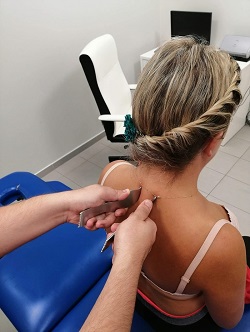
Recently, we have also been using pinotherapy (pinopressure). This non-invasive method involves stimulating specific areas of the human skin.
This method is considered a reflex therapy, utilizing the body's self-healing processes. Copper pins (called pins) and knives (excised blades) are used to press and stimulate specific points on the body. It's important to note that pinopressure doesn't pierce the skin. Stimulating the skin stimulates specific brain centers. This allows our muscular and ligamentous systems to receive signals from their corresponding brain regions, leading to a reflex release of accumulated tension and pain reduction.
Pinotherapy is widely used for various orthopedic and neurological conditions.
It is recommended in cases such as:
- myofascial pain,
- headache,
- pain in the cervical, thoracic and lumbar spine,
- overload pain,
- post-traumatic and post-operative conditions,
- limited range of motion in joints.
PP – The FDM (Fascial Distortion Model) method is worth attention – it is a very effective and evidence-based system for diagnosing and treating musculoskeletal injuries.
This treatment system is based on six fascial strains, each of which has a specific description of the nature of the pain. A key diagnostic element is the patient's body language, i.e., the description of the pain symptoms they experience. A physiotherapist with the appropriate knowledge can accurately assess the cause of the pain and select the appropriate treatment.
Therapy of the internal organs of the abdominal cavity
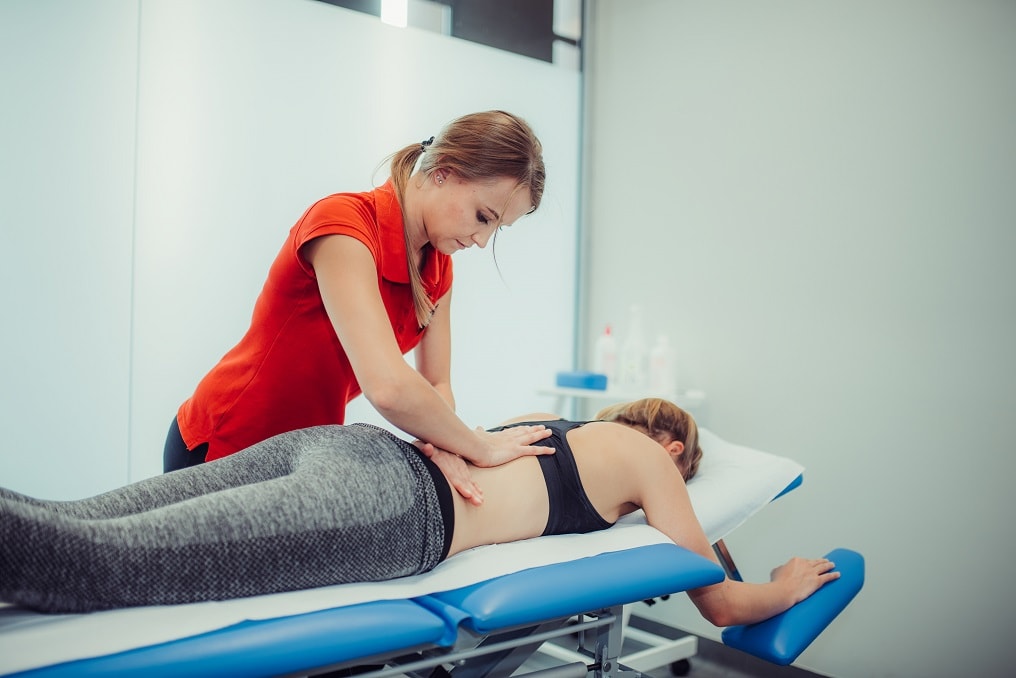
When describing manual therapies, it's impossible to ignore visceral therapy. This is manual therapy of the internal organs of the abdominal cavity, aimed at restoring their proper tone, elasticity, and mobility. Working through the internal organ system, which has numerous anatomical and functional connections with other structures in the human body, allows for the effective assessment and treatment of various patient conditions.
A problem with the functioning of an internal organ can influence problems with its attachments, which in turn can cause pain and increase defensive muscle tension. This tension can also generate pain and lead to joint problems. This chain of cause and effect can also work in the opposite direction, leading to an unresolved joint problem becoming the cause of a functional problem with, for example, the stomach.
WS – It's crucial to be able to assess the impact of visceral problems on the biomechanics of the spine and peripheral joints. Therapists' experience shows that most chronic pain problems, which manifest as joint and fascial mobility disorders, have many connections with internal organs.
Who can benefit from visceral therapy?
Indications for visceral therapy include:
- chronic and acute headaches and back pain,
- specific digestive tract problems, e.g. irritable bowel syndrome, stomach neurosis, etc.,
- referred pain syndromes,
- pseudoradicular syndromes,
- non-specific back pain,
- urinary and fecal incontinence,
- constipation,
- painful periods,
- swelling and exudation problems,
- varicose veins of the anus and lower limbs,
- some peripheral joint pain,
- supporting the treatment of respiratory diseases.

I'll also add that a referral is required for treatments. Patients using paid services can visit a physiotherapist directly to arrange a treatment plan. Patients who choose free treatment under the National Health Fund (NFZ) will only need a referral for rehabilitation from their primary care physician or a specialist, such as an orthopedist or neurologist.
Thank you for the interview.
Frequently asked questions – FAQ
What is mobilization in physiotherapy?
Mobilization is a manual therapy technique performed by a physiotherapist. Its goal is to improve the mobility of joints, soft tissues, and neural structures, and to reduce pain.
What is manual therapy?
Manual therapy involves individually tailored work with the patient's body. The physiotherapist uses techniques such as grips, compressions, mobilizations, and manipulations to improve musculoskeletal function.
When is mobilization used?
Mobilization can be used for back pain, sciatica, discopathy, neck pain, headaches, limited joint mobility, overloads and selected post-traumatic conditions.
What limb ailments can manual therapy help with?
Manual therapy can be helpful for conditions such as painful shoulder syndrome, frozen shoulder, tennis elbow, golfer's elbow, carpal tunnel, hip pain, jumper's knee, and knee problems.
What is a visit to a physiotherapist like?
Before beginning therapy, the physiotherapist conducts an interview, palpation, and functional examination. This includes assessing range of motion, tissue tension, quality of movement, and the response of the musculoskeletal system to stress.
What is pinotherapy?
Pinotherapy, also known as pinopressure, is a non-invasive method that involves applying pressure and stimulating specific points on the body using special tools. The skin is not pierced.
What is visceral therapy?
Visceral therapy is a form of manual therapy of the internal organs of the abdominal cavity. Its goal is to improve the tone, elasticity, and mobility of tissues and to assess their impact on other body structures.
Is a referral required for mobilization?
For a private visit, the patient can see a physiotherapist directly to develop a treatment plan. Rehabilitation under the National Health Fund (NFZ) requires a referral from a physician.