
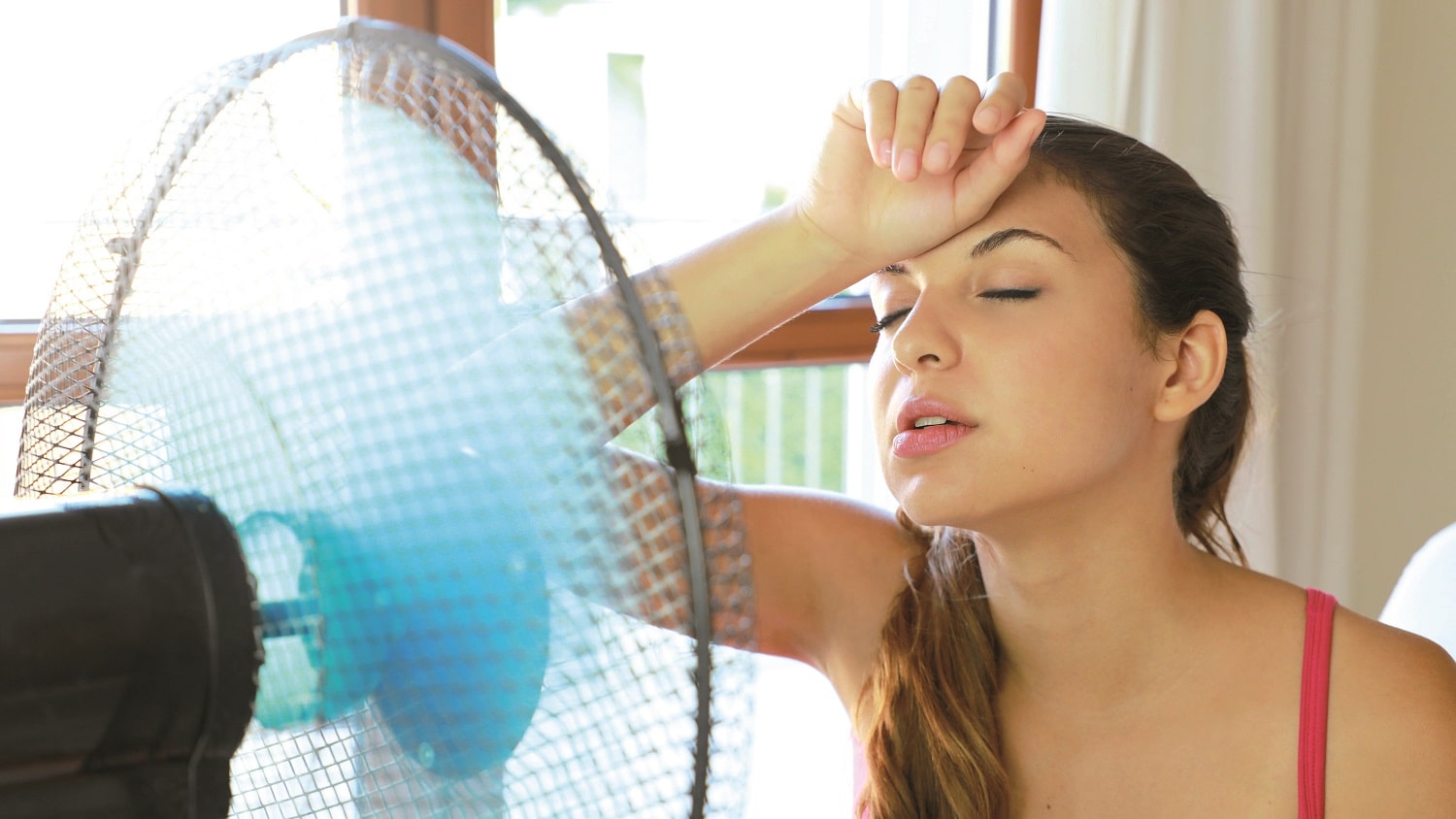
Excessive sweating – how to get rid of the problem?
Imagine you've been at an important meeting for several hours, and it's hot. Sweat is running down your back, condensing on your forehead, and under your armpits. This situation becomes embarrassing, especially if unpleasant odor develops. Do we really need to sweat, and how can we deal with it? We asked aesthetic medicine specialist Dr. Kinga Caban
The human body maintains a constant temperature regardless of weather conditions thanks to thermoregulation, the ability to maintain body temperature within its optimal range. Even with a high fever or exposure to the sun, it protects itself from overheating. Maintaining a healthy body temperature is possible thanks to the natural process of sweating. Sweat is secreted by sweat glands located throughout the skin. The largest concentrations are found on the hands, feet, forehead, and under the arms.
We sweat during increased physical activity, when we are overly dressed, when the ambient temperature is high, or when we consume spicy foods or hot beverages. On average, a person produces half a liter of sweat per day, but under various conditions, this amount can increase to several liters. Sometimes, the body produces excessive sweat. This happens, for example, during puberty, and is often a problem for overweight individuals. Stress is also a cause of excessive sweating. This uncomfortable situation leads to anxiety, thus exacerbating the problem.
Since we have to sweat in some situations, how can we prevent unpleasant odor?
"Personal hygiene is fundamental. Sweat itself is odorless, consisting primarily of water and mineral salts. Only when combined with bacteria living on the skin does it develop an unpleasant odor. Remember to wash and thoroughly dry your skin after any physical activity and perspiration. Clothes should be breathable, preferably made of natural fabrics, without artificial additives. Diet is also important – limiting stimulants, eating plenty of vegetables and fruit, and drinking at least two liters of water a day.".
What about using antiperspirants? Can they be used in unlimited quantities? There are reports that some of them can have a negative impact on human health.
– First of all, we need to know that deodorants and antiperspirants are not the same. Deodorants neutralize the smell of sweat, while antiperspirants reduce perspiration.
The main active ingredients in antiperspirants are aluminum-zirconium salts and aluminum chloride. These substances have the ability to penetrate the sweat gland ducts, where they crystallize, creating a "plug" that restricts sweat secretion.
Deodorants, on the other hand, contain substances that prevent unpleasant sweat odor. These include triclosan, glycols, plant extracts, and the metals silver, zinc, and copper. Due to their antibacterial properties, these substances limit the growth of microorganisms naturally present on our skin.
Do antiperspirants pose a health risk due to their composition?
"There's a lot of anecdotal evidence about the carcinogenicity of antiperspirants. In fact, there's no scientific evidence to support such a link. It's recommended, however, to avoid using both antiperspirants and deodorants immediately after shaving. It's also worth noting that sweat is a healthy response to physical activity, protecting against overheating. Sweating can release toxins, which helps fight colds and infections. Completely eliminating sweat isn't safe for the body. That's why we generally say no to antiperspirants. Deodorants don't pose such a threat, although they often contain a lot of chemicals, especially fragrances. Therefore, if you're using deodorants, choose natural ones.
However, many people complain of excessive sweating…
"Excessive sweating, or hyperhidrosis, is associated with increased sweat gland activity. It likely results from an overactive central nervous system, which causes increased stimulation of sweat glands to produce sweat. It is estimated that excessive sweating affects approximately 3% of the population. We distinguish between primary and secondary hyperhidrosis. Primary hyperhidrosis is most often localized and usually affects one or more parts of the body, primarily the hands, feet, and armpits. Secondary hyperhidrosis, on the other hand, affects the entire body. It can occur in various diseases, including diabetes, hyperthyroidism, hypoglycemia, chronic obstructive pulmonary disease, certain heart diseases, neurological, psychiatric, and cancer conditions, as well as in poisoning, tuberculosis, and menopause.".
It's not just a localized process affecting the body, but unfortunately, it also induces numerous behavioral problems. People struggling with excessive sweating are reluctant to make new friends or engage in physical contact, they struggle during job interviews, and it's not hard to imagine that shaking a sweaty hand with a prospective employer is a significant challenge. Patients with hyperhidrosis are also more likely to suffer from depressive disorders.
So how do we deal with this problem?
Modern medicine offers many methods, so it's worth seeing a doctor who will individually select the appropriate treatment. Besides local treatment with ointments and creams, systemic treatment is sometimes implemented, such as anticholinergic medications. Treatments such as iontophoresis, laser therapy, microwaves, and ultrasound are also available. Currently, an increasingly popular and recommended treatment for localized hyperhidrosis, which I personally perform on my patients and highly value, is botulinum toxin injections. Botox injections block the nerves supplying the sweat glands in the treated areas, reducing sweating. This treatment is quick, highly effective, and provides results that last for several months. Considering the many treatment options mentioned, it's worth consulting a specialist and enjoying life to the fullest.
Thank you for the interview

Frequently asked questions – FAQ
Why do we sweat?
Sweating is a natural thermoregulatory process. It helps the body maintain a healthy body temperature, especially during physical exertion, heat, stress, or after consuming hot and spicy foods.
What is excessive sweating?
Excessive sweating, or hyperhidrosis, is an increased activity of sweat glands. It can affect specific parts of the body, such as the hands, feet, and armpits, or cover larger areas of the body.
What can cause excessive sweating?
Excessive sweating may be related to stress, being overweight, puberty, menopause, or diseases such as diabetes, hyperthyroidism, heart disease, neurological diseases, mental illness, or cancer.
Does sweat have an odor?
Sweat itself is essentially odorless and consists primarily of water and mineral salts. An unpleasant odor only develops when it comes into contact with bacteria naturally present on the skin.
How to reduce unpleasant sweat odor?
The basis is personal hygiene, thoroughly drying the skin after sweating, wearing breathable clothes made of natural fabrics, adequate hydration and a diet rich in vegetables and fruits.
What is the difference between deodorant and antiperspirant?
Deodorant neutralizes the odor of sweat, while antiperspirant reduces perspiration. They differ in their effects and composition, so it's worth choosing them wisely to suit your needs.
How is excessive sweating treated?
Treatment for excessive sweating is individualized and may include topical preparations, systemic therapy, iontophoresis, laser therapy, microwaves, ultrasound, or botulinum toxin injections.
When should you see a doctor about excessive sweating?
It is worth seeing a doctor if sweating is very intense, occurs without an obvious cause, covers the entire body, interferes with daily functioning, or is accompanied by other symptoms, such as weakness, weight loss, or heart palpitations.