

Food can be harmful. How to deal with food intolerances?
You consume food every day to nourish your body and satisfy your hunger. You buy products at the store, at the local market, or eat at a restaurant. Just like everyone else! The fact that they can be harmful may seem surprising, but it's true... Read this article if:
You have a weakened immune system, you are constantly tired and lack energy.
You have problems maintaining a healthy weight and gastrointestinal problems.
You suffer from chronic pain and symptoms without a diagnosed cause, although you have undergone various tests.
If your doctor is wringing his hands and you are feeling increasingly frustrated and craving explanations.
What is food intolerance?
Your favorite salmon sandwich, or maybe a cup of cocoa? It never even occurred to you that you might be allergic to them. The same applies to your child, who is relatively healthy and full of energy, but who has a chronic runny nose, regardless of the season, either persistent or intermittent. You also don't connect this to the food they eat every day. But there's good news! Now you can easily check if a food intolerance is the cause of their problems. A simple IgG blood test is the answer.
Where does intolerance come from? Consuming foods you're allergic to or medications can damage your gut's natural protective barrier. When improperly digested food particles—toxins or bacteria—enter your bloodstream from the intestines, your body treats them as enemies and produces IgG antibodies. The body manifests this condition through an allergic reaction, such as abdominal pain, bloating, diarrhea, or constipation, but also fatigue and weakness, skin changes like acne, and headaches. But this is only a small part of what our body can inflict on us. Food intolerances can manifest in various parts of the body.
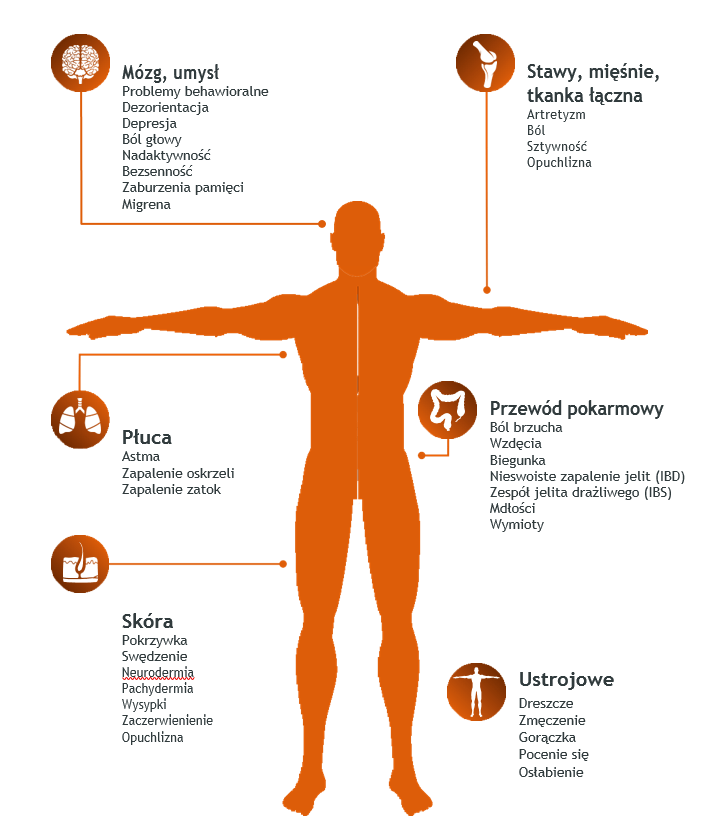
Symptoms of food intolerance. How to distinguish intolerance from food allergy?
The primary difference between a food allergy and intolerance is the body's reaction time to the allergen. With an allergy, your body will alert you immediately (within two hours of eating). A food intolerance only becomes apparent after a few hours or even days and can last for weeks!
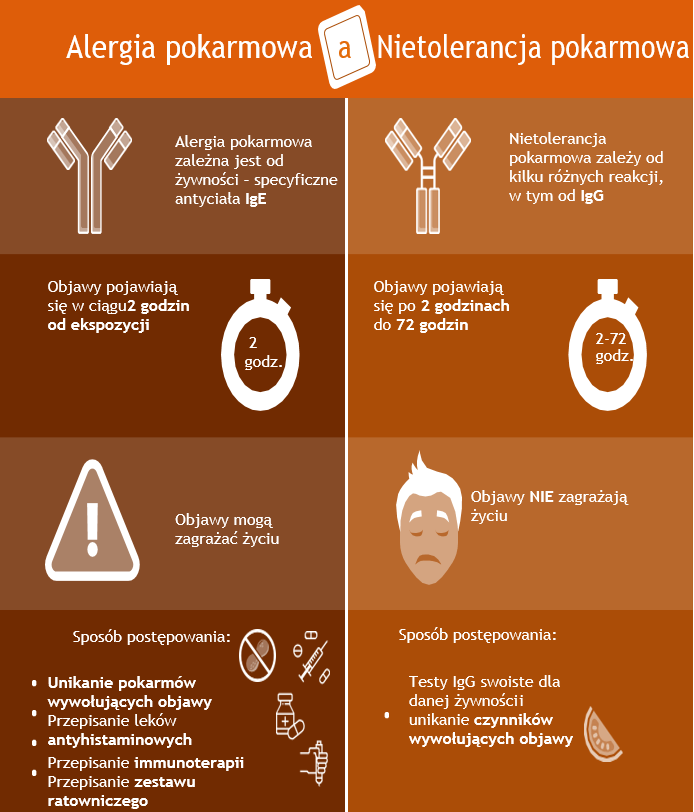
What tests for food intolerance and allergy can I perform on myself and my child?
The symptoms of food allergies and intolerances are very similar. An undiagnosed allergy can be life-threatening, while a food intolerance can lead to chronic, difficult-to-diagnose conditions. Moreover, you can have both a food intolerance and a food allergy at the same time, which is why proper diagnosis is so important.
Diagnosing a food intolerance involves testing your blood for IgG antibodies, which your body may have produced against commonly consumed foods. However, this test won't determine whether you have a food allergy. To do this, it would be necessary to check whether your body also produces IgE antibodies.


What causes food intolerances?
Your immune system can be your friend… or your foe. Gut flora is key to food tolerance and health, provided you take good care of it. An intact intestinal barrier is highly permeable and, under optimal conditions, provides a nearly impenetrable barrier to bacteria, viruses, pathogens, and food components.
Unhealthy habits, eating foods you're allergic to, and other factors can permanently damage your intestines. Restoring balance is very difficult. Identify what might be causing you the most harm and examine your conscience.
Lactose intolerance
Lactose is a sugar found in milk and dairy products, which is broken down by the enzyme lactase in the human digestive tract. Lactose intolerance is a condition in which the body produces insufficient lactase, preventing proper digestion of this sugar. Lactose can cause food intolerance, which is quite common, especially among adults. Some people lose the ability to produce sufficient amounts of the enzyme lactase, which is necessary for lactose digestion, leading to intolerance.
Lactose intolerance is particularly prevalent in certain ethnic groups, such as Asians, Africans, Native Americans, and people of Southern European descent. Symptoms of lactose intolerance, such as abdominal pain, diarrhea, and bloating , usually appear shortly after consuming dairy products. Diagnosis and management of lactose intolerance include dietary modification, the use of lactase enzyme supplements, or the selection of lactose-free products. In recent years, lactose-free dairy products have become available and popular, allowing people with lactose intolerance to enjoy the taste of milk without unpleasant symptoms.
Factors damaging the intestinal epithelium:
• Alcohol
• Antibiotics
• Poor diet
• Digestive diseases
• Inflammation
• Leaky gut syndrome
• Malnutrition
• Medications
• Parasites, bacteria, viruses
• Stress
If none of the diagnostic methods you have used so far have produced the expected results, consider taking an intolerance test.
However, remember that the mere presence of IgG antibodies does not constitute a diagnosis. Consult your test results with a doctor or dietitian , who will compare them with your medical history and the results of other tests. Based on this, they will assess the need for dietary changes.
Histamine intolerance
Histamine intolerance is a condition in which the body is unable to break down histamine, which can cause allergy-like symptoms such as headaches, rashes, or digestive problems. Histamine occurs naturally in many foods, especially mature cheeses, fermented products, wine, and seafood, and its intolerance most often results from a deficiency of the enzyme DAO (diamine oxidase), which is responsible for its breakdown in the intestines.
People affected by this problem should limit their consumption of histamine-rich foods and support their bodies with a low-histamine diet and DAO supplementation. Although the symptoms can be bothersome and easily confused with other conditions, proper diagnosis and changes in dietary habits can effectively control histamine intolerance, improving quality of life.
The role of diet in dealing with food intolerance
Diet plays a key role in managing food intolerances, as appropriately adjusting the foods consumed can significantly alleviate symptoms. People with intolerances such as lactose intolerance or celiac disease must avoid specific ingredients—lactose and gluten, respectively. Eliminating or limiting the consumption of problematic foods often leads to significant improvements in well-being and digestive health. Consulting with a dietitian can be extremely helpful, as they can help develop a balanced nutritional plan that meets the patient's individual needs. Furthermore, the increasing availability of specialized gluten-free and lactose-free products makes it easier for people with food intolerances to function normally on a daily basis.
A safe dietary change is key to success. Your diet should be carefully planned, and the effects of your diet should be monitored by a specialist.
source:
Ortolani, Claudio, and Elide A. Pastorello. " Food allergies and food intolerances ." Best Practice & Research Clinical Gastroenterology 20.3 (2006): 467-483. Shulpekova, Yulia O., et al. " Food intolerance: the role of histamine ." Nutrients 13.9 (2021): 3207.