
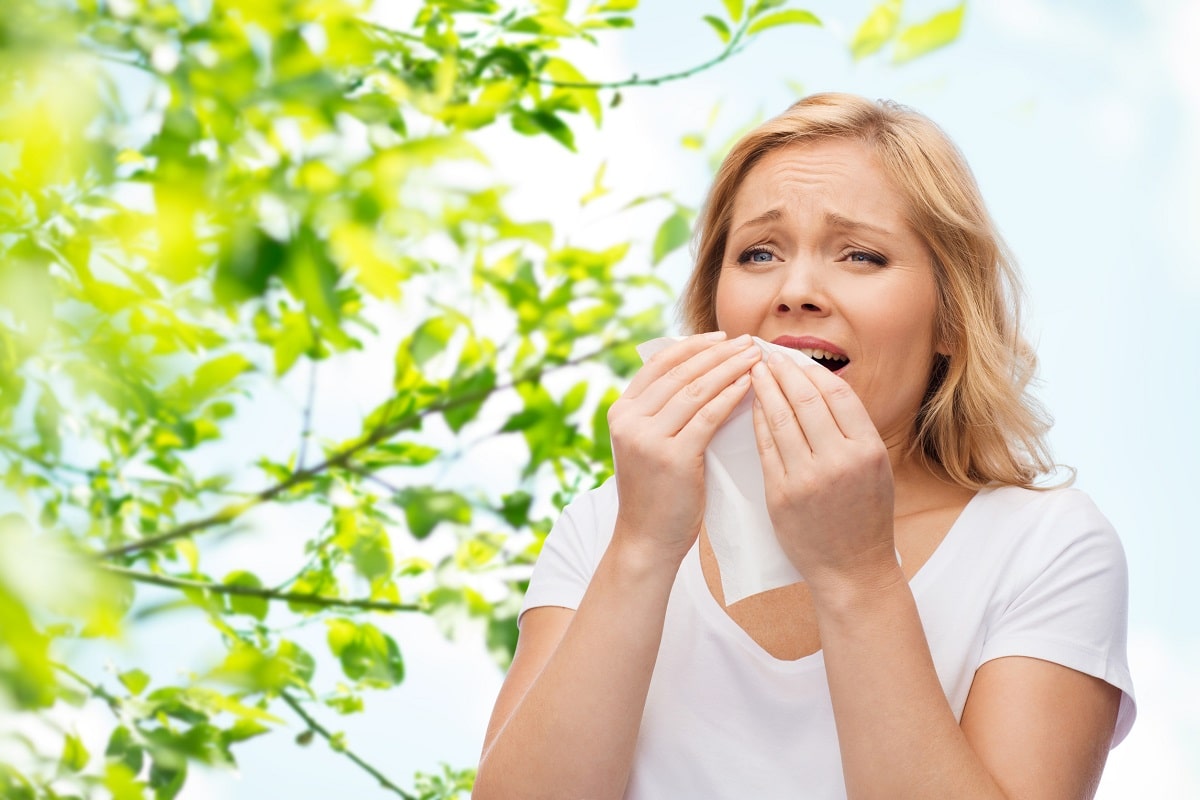
Spring allergies – how to distinguish hay fever from a cold?
Spring is the time when nature comes alive, and with it comes seasonal allergies. People with pollen allergies often experience symptoms that can mimic the common cold. So how can you tell the difference between hay fever and a viral infection? Here are some key differences.
Causes and mechanism of occurrence
The common cold is caused by viruses, most commonly rhinoviruses, that attack the respiratory tract. Hay fever, also known as allergic rhinitis, is the immune system's response to allergens such as grass pollen, tree pollen, or dust mites.
Symptoms – similarities and differences
While both allergies and colds can cause sneezing, runny noses, and nasal congestion, there are some important differences:
- Runny nose – in allergies it is watery and clear, in colds it is thicker and may change color to yellowish or greenish.
- Sneezing – in allergies it often occurs in bursts, while in colds it appears sporadically.
- Itching of the eyes, nose and throat – typical of allergies, rarely seen with a cold.
- Fever – occurs in colds, but not in allergies.
- General weakness and muscle pain – typical of viral infections, rare in allergies.
Duration
A cold usually lasts from a few days to two weeks, while hay fever can last for many weeks or even months – depending on the pollen season and exposure to allergens.
Allergy diagnostics – what does the allergy testing package include?
The test package may include:
- Total IgE – the basic indicator of allergy,
- Allergy panel (e.g. inhalant or food) – a set of tests measuring the level of specific IgE antibodies to the most common allergens:
- pollen from trees and grasses,
- house dust mites,
- dog/cat hair,
- milk, egg, nut, cereal and other proteins.
The selection of the panel depends on the patient's symptoms and the type of suspected allergy.

How to alleviate symptoms?
- In case of a cold, it is recommended to rest, hydrate the body and take painkillers and antipyretics.
- In case of allergies, it is worth avoiding contact with allergens, using antihistamines, eye drops and rinsing the nose with saline.
When should you see a doctor?
If symptoms persist for more than two weeks and home remedies don't provide relief, it's worth consulting a doctor. A specialist may recommend allergy testing and appropriate treatment, such as immunotherapy.
In summary, although spring allergies and colds can have similar symptoms, key differences help distinguish them. Being aware of these differences allows for more effective treatment and improved quality of life during pollen season.
Sources:
Polish Society of Allergology (PTA), Allergic rhinitis – diagnosis and treatment, access: https://www.pta.med.pl
Practical Medicine, Allergic rhinitis (hay fever), access: https://www.mp.pl/pacjent/alergia/choroby/100573,katar-sienny
Centers for Disease Control and Prevention (CDC), Allergies vs. COVID-19 vs. Cold vs. Flu, access: https://www.cdc.gov
National Center for Nutrition Education (NCEŻ), Food and inhalant allergies – differences and diagnosis, access: https://ncez.pzh.gov.pl