
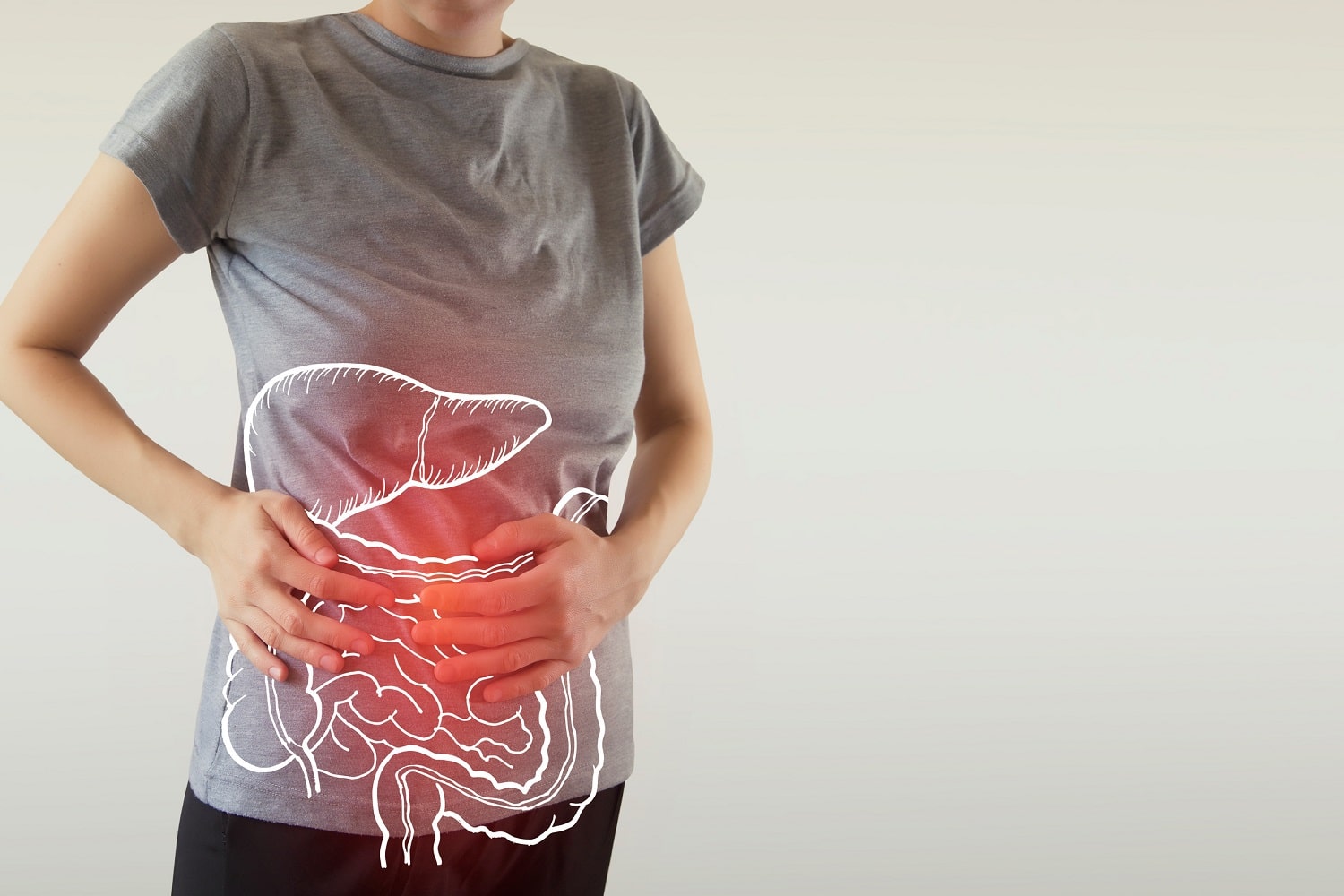
Keep your gut healthy in summer
Summer is a time for relaxation, travel, and barbecues. However, high temperatures encourage the proliferation of bacteria and viruses in food, increasing the risk of food poisoning and gastrointestinal infections. What are the most common threats and how can you protect yourself from them? This article will answer these questions.
Why do we get sick in the summer?
Food poisoning most often affects us in the summer, which is due to several factors:
- High temperature promotes the rapid multiplication of bacteria (e.g. Salmonella , Listeria , E. coli ) in food products.
- Eating outdoors (picnics, barbecues), where it is more difficult to maintain hygienic conditions.
- Holiday travel – often to countries with lower sanitary standards or with a different bacterial flora.
- Inappropriate food storage – perishable products often remain outside the refrigerator for extended periods of time.
Salmonella – a dangerous bacterium on the summer menu
Salmonella is a bacterium often found in raw meat, eggs, milk, and dairy products. Infection usually occurs after consuming contaminated food or water, with symptoms appearing 6 to 48 hours after exposure. The most common symptoms include:
- nausea and vomiting,
- diarrhea, sometimes with blood,
- abdominal pain,
- fever,
- general weakness.
Salmonella is diagnosed using laboratory tests, such as stool cultures or molecular analysis of enteric pathogens in stool. In most cases, treatment for salmonella involves adequate hydration and a light diet. Antibiotics are only used in severe cases or in at-risk individuals, such as children, the elderly, or those with compromised immune systems.
Rotaviruses – a problem not only for children
Rotaviruses are the leading cause of acute diarrhea in children, but they can also infect adults. Transmission occurs through the fecal-oral route, through contact with an infected person, objects, or by eating contaminated food. Symptoms of rotaviruses include:
- watery diarrhea,
- vomiting,
- fever,
- abdominal pain.
Treatment is symptomatic and primarily involves hydration. Vaccination is an effective method of preventing rotavirus infection.
"Jelitówka" - viral gastroenteritis
Colloquially called "enteritis," this infection is most often a viral gastroenteritis caused by rotaviruses or noroviruses. It is characterized by the sudden onset of symptoms, such as:
- nausea and vomiting,
- diarrhea,
- abdominal pain,
- fever.
The condition usually resolves on its own within a few days. Adequate hydration and rest are crucial. If symptoms become severe or dehydration occurs, consult a doctor.
How to protect yourself against summer intestinal infections?
- Taking care of hygiene: washing your hands regularly, especially before meals and after using the toilet.
- Storing food safely: avoiding eating raw or undercooked foods, storing food at appropriate temperatures.
- Hydrate your body: On hot days and during infections, it is important to drink fluids regularly.
- Vaccinating against rotaviruses, especially in children.
- Avoiding contact with sick people: Whenever possible, avoid close contact with people with symptoms of a gastrointestinal infection.
Please remember that if symptoms persist, such as high fever, bloody diarrhea or signs of dehydration (dry mouth, dizziness, infrequent urination), you should consult a doctor.
Medical consultation
Doctor Wiktoria Duszyńska,
Internist,
CM Luxmed Lublin, ul. Zwycięska 6A
Sources:
https://instytut-mikroekologii.pl/salmonella-diagnostyka-leczenie-i-profilaktyka
https://www.nowafarmacja.pl/blog/rotawirus-u-doroslych-objawy-i-leczenie