
Anemia - what is it, causes, symptoms, treatment
Significant fatigue and noticeably reduced physical performance are the first signs that should prompt a doctor's consultation. Patients often mistake this symptom for simple fatigue. It's easy to downplay anemia and miss its initial stages. While it initially affects only well-being and appearance (pale skin), over time it can lead to the development of other illnesses.
What is anemia?
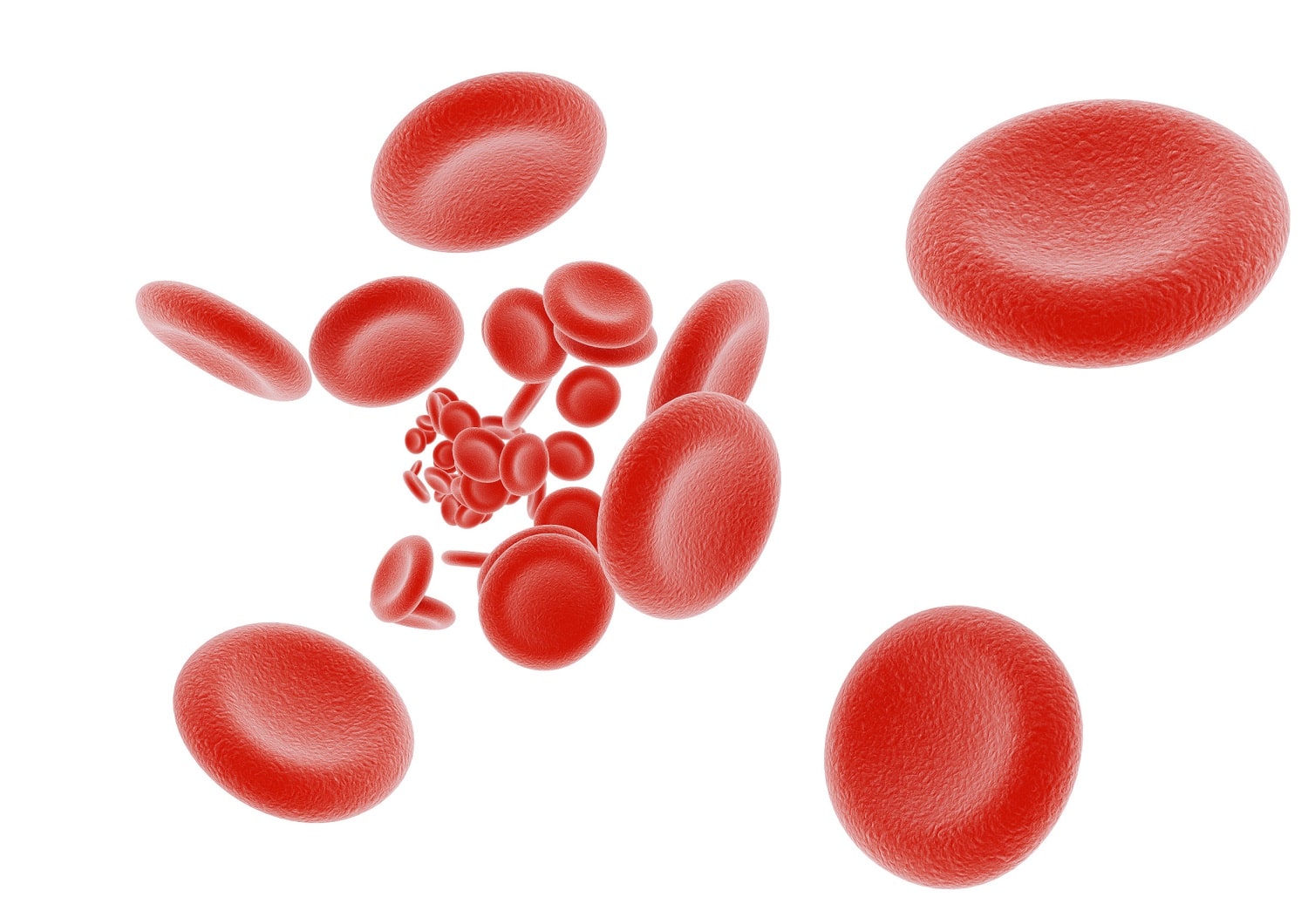
Anemia is defined as a deficiency associated with decreased concentrations of hemoglobin (Hb), hematocrit (Ht), and erythrocytes (red blood cells). These deficiencies result in a reduced ability of the blood to transport oxygen, which in turn leads to reduced oxygenation of tissues and organs.
Anemia can be a cause, but also a symptom or consequence of another disease. Anyone can develop it. Children, the elderly, and pregnant women are particularly at risk. People with chronic illnesses, post-surgical patients, and women with heavy menstrual bleeding are also at risk. Vegans and vegetarians should exercise particular caution.
Contrary to popular belief, anemia is not always caused by iron deficiency. Correctly diagnosing the causes of anemia is therefore key to recovery.
Causes of anemia
Anemia can result from many factors, including:
- prolonged bleeding, e.g. from the digestive tract or reproductive organs,
- sudden loss of a large amount of blood, e.g. due to an accident,
- diseases that affect the production of red blood cells,
- abnormal functioning of the bone marrow, which results in abnormal production of red blood cells,
- autoimmune reactions,
- genetic conditions causing faster breakdown of erythrocytes.
The World Health Organization (WHO) defines anemia as a decrease in hemoglobin levels:
- <11 g/dl in children aged 6 months to 6 years,
- <12 g/dl in children 6 to 14 years of age,
- <13 g/dl in men,
- <12 g/dl in women,
- <11 g/dl in pregnant women.
Types of anemia
Anemia is a rather complex condition and has many subtypes. We can talk about:
- post-hemorrhagic anemia resulting from large or chronic blood loss,
- aplastic anemia associated with bone marrow failure,
- siderblastic anemia, which is caused by disturbances in the formation of the hemoglobin component – heme,
- hemolytic anemia resulting from abnormal breakdown of erythrocytes,
- anemia as a result of iron deficiency,
- anemia as a result of folic acid deficiency,
- anemia as a result of vitamin B12 deficiency.
Symptoms of anemia
The disease can have many causes, but its symptoms are similar. Their presence and severity depend on the severity of the anemia, its rate of progression, and the body's condition. The most common symptoms include:
- weakness,
- decreased tolerance of physical exertion, easy fatigability.
Additionally, these symptoms may be accompanied by:
- headaches and dizziness,
- feeling of heart palpitations, tachycardia,
- shortness of breath,
- difficulties in focusing attention and concentration,
- low blood pressure,
- pale skin and mucous membranes,
- tinnitus,
- cold hands and feet,
- brittle hair and nails.
Not all symptoms will be observed in the same individual. Different types of anemia may also present with specific symptoms, such as numbness in the upper and lower limbs, often seen in vitamin B12 deficiency anemia.
Diagnosis of anemia
The basic test is a complete blood count (CBC), including parameters such as red blood cell count (RBC), hemoglobin (Hb), hematocrit (Ht), mean erythrocyte volume (MCV), and mean hemoglobin content per erythrocyte (MCH). Additionally, this diagnostic test is expanded to include iron, ferritin, transferrin, folic acid, and vitamin B12 levels, as well as LDH, bilirubin, and haptoglobin levels. Other tests are scheduled individually.
Treatment of anemia
Treatment for anemia must primarily address its causes. Depending on the type, it often involves supplementing the deficiency causing the anemia (e.g., iron or folic acid), but always under medical supervision. If the anemia is caused by other diseases, treatment of those diseases is essential. For some types of anemia, transfusions, for example, may be necessary. Treatment is always tailored to the patient's symptoms and health status.
Prevention of anemia
If you notice any alarming symptoms, take action. The key is to detect anemia in its early stages. Don't be afraid of preventative measures. Regular checkups are essential, with basic blood tests performed every 12 months. A diet rich in whole foods, containing B vitamins, iron, and folic acid, as well as fish, vegetables, and fruit, is also important. If the symptoms mentioned above appear, you should consult a doctor.
Medical consultation
with Karolina Radomska, MD, PhD, Hematologist
at the Luxmed Medical Center in Kraśnik