
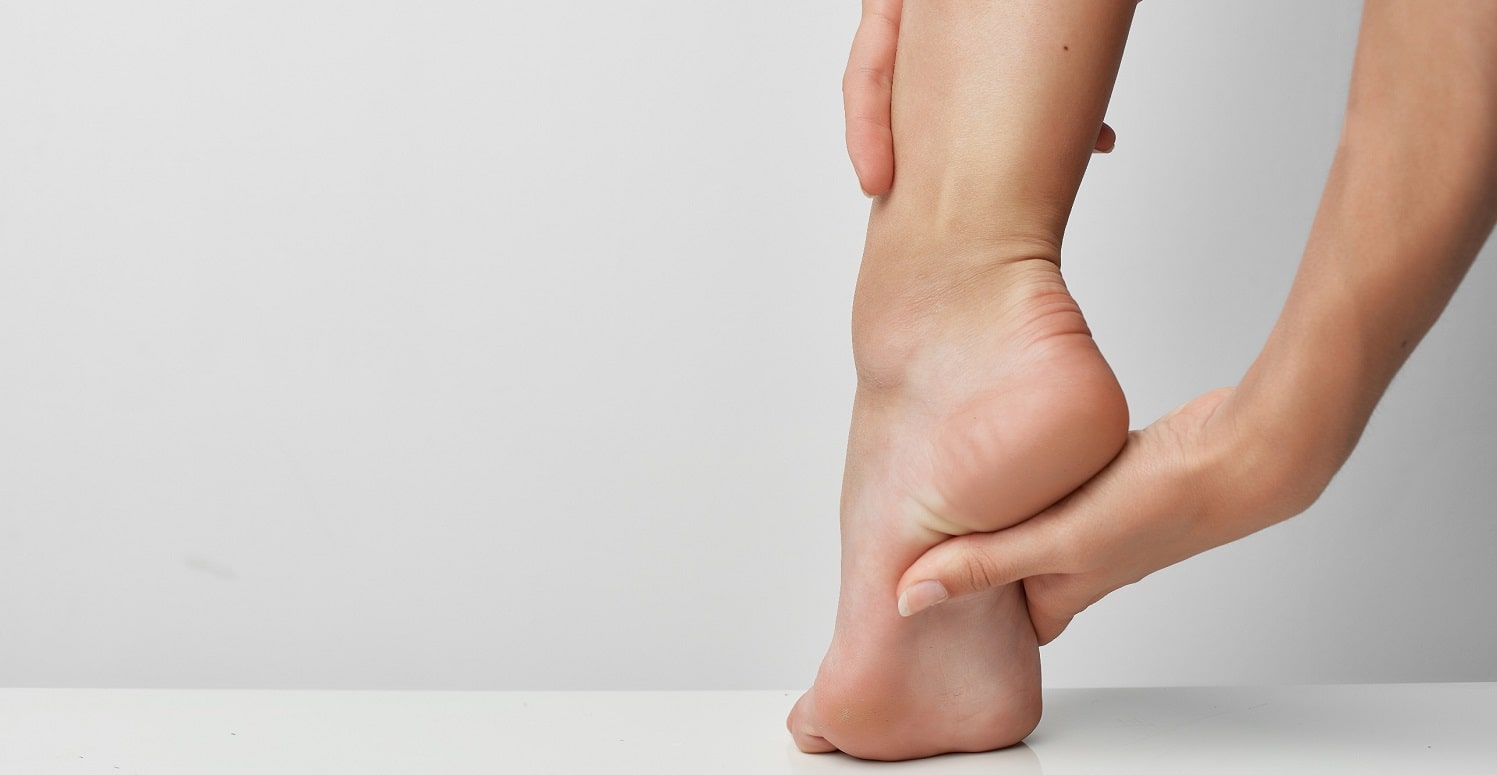
Foot and nail fungus - causes, symptoms, treatment
Athlete's foot and nail fungus is a problem affecting 15-30% of the population. In Poland, one in five Poles suffers from it. It is a lifestyle disease. It is also infectious, spreading from person to person. Left untreated, it can have serious consequences. Athlete's foot is caused by fungi. However, infection occurs in conditions favorable to these fungi.
We talk with dermatologist Wojciech Cielica, MD, PhD, about the causes, symptoms, and, above all, prevention.
What factors contribute to the development of fungal infections?
Ringworm is caused by three types of fungi: dermatophytes, yeast-like fungi, and molds. Very often, we contribute to the disease ourselves.
The most common causes of skin fungal infections are:
- incorrect and often excessive personal hygiene,
- staying in a warm and humid room,
- sharing personal items (towels, combs, shoes),
- no flip-flops in the sauna or swimming pool.
Everyone should be careful when renting shoes, but the risk exists even if you're just trying them on in a store. We should be especially careful when using public sanitary facilities (toilets, showers), and when touching surfaces exposed to fungal infections, such as saunas or swimming pools. We should also be careful when using the services of beauty salons, massage parlors, and physiotherapy centers. Remember that fungal infections take a long time to develop, and the first signs of the condition can be easy to miss.
Additionally, factors contributing to the development of mycosis include chronic metabolic diseases such as:
- diabetes,
- hormonal disorders (hypothyroidism, decreased estrogen levels in postmenopausal women),
- obesity,
- excessive sweating,
- use of certain medications (e.g. corticosteroids),
- weakening of the immune system (cancer, AIDS),
- pregnancy,
- age.
What forms of fungal infection do we encounter most often?
The most common form of fungal infection of the skin and its appendages is onychomycosis. It affects toenails much more often than fingernails. The clinical picture depends on where the fungus enters the nail plate and the severity of the disease. Most common symptoms include discoloration of the nail plate, brittleness and crumbling of the nail, subungual keratosis, onycholysis, and partial or complete destruction of the nail plate.
Athlete's foot is also a fairly common form – the infection is located on the soles of the feet, in the spaces between the toes, and on the lateral surfaces of the toes. Depending on the clinical presentation and site of infection, we can distinguish between interdigital, dyshidrotic, and exfoliative tinea. The most common type is infection of the interdigital spaces – especially toes III and IV. Athlete's foot often coexists with fungal nail infections.
A relatively common case is jock itch, which presents with erythematous-scaling lesions, more pronounced around the periphery of the lesions. Young men are most commonly affected, and the condition often has a recurring course.
We often ignore fungal infections and try to "cure" them with home remedies. Is treatment for fungal infections necessary? Is there a chance the condition will, for example, resolve on its own?
– Fungal infections don't go away on their own and often don't respond to home treatments. Untreated fungal infections can lead to serious health complications and increase the risk of fungal infection in family members or roommates. Treatment should be initiated as soon as the first symptoms are noticed, but only after diagnostic tests have been performed.
The treatment process is therefore certainly lengthy. What is the treatment for ringworm?
– Worrying changes should be consulted with a dermatologist. They will refer you for a direct mycological examination, which involves taking a sample of the lesion and examining it under a microscope and/or performing a mycological culture. Treatment of fungal infections most often begins with topical medications in the form of creams, lotions, gels, or nail polishes. Systemic treatment (oral medications) is sometimes indicated. The basis for successful treatment is consistent treatment, the use of recommended medications, and proper hygiene.
Do children get foot and nail fungus? We hear a lot about adults, but what about children?
" Children are less likely to get sick. Athlete's foot usually affects older children who, for example, participate in sports and wear tight footwear. In such cases, it's important to eliminate the factor that contributed to the development of the disease. Nail fungus in children is even less common, occurring most often in teenagers."
However, there is a group of children who are more susceptible to fungal infections. These are primarily patients with immunocompromised immune systems.
At the end of our conversation – an important question: what can we do to protect ourselves against fungal infections?
– Let’s follow the basic rules to minimize the risk of fungal infection:
1. Use only your own towel and toiletries.
2. Maintaining proper daily hygiene.
3. Change underwear daily.
4. Wearing flip-flops in swimming pools, saunas, public showers, etc.
5. No renting of shoes.
6. Prevention in people in high-risk groups.
Thank you for the interview
Frequently asked questions – FAQ
What is foot and nail fungus?
Athlete's foot and nail fungus is an infection caused by pathogenic fungi. It can affect the skin between the toes, the soles of the feet, and the nail plates.
How can you get athlete's foot?
Infection can occur through contact with contaminated surfaces, such as in a swimming pool, sauna, locker room, hotel bathroom, or communal shower. Walking barefoot in such areas increases the risk.
What causes foot and nail fungus?
Fungal infections are promoted by moisture, heat, excessive sweating of the feet, tight and non-breathable footwear, micro-injuries of the skin and nails, reduced immunity, diabetes and using shared spaces without protective footwear.
What are the symptoms of athlete's foot?
Symptoms of athlete's foot may include itching, burning, redness, peeling skin, cracking of the skin, maceration between the toes, and unpleasant foot odor.
What are the symptoms of nail fungus?
Nail fungus can cause the nail plate to change color, become thicker, become brittle, fragile, split, deform, and separate from the nail bed.
Can foot fungus spread to nails?
Yes. Left untreated, athlete's foot can spread to the nails. Therefore, it's important to begin appropriate treatment at the first signs and maintain good foot and shoe hygiene.
How is foot and nail fungus treated?
Treatment depends on the site and severity of the infection. It may include topical medications, and in cases of nail fungus or more advanced lesions, oral therapy recommended by a doctor.
How to prevent athlete's foot?
It is worth drying your feet thoroughly after bathing, wearing breathable shoes and socks, using flip-flops in the pool and in the locker room, not sharing towels or shoes, and regularly disinfecting or airing your shoes.