
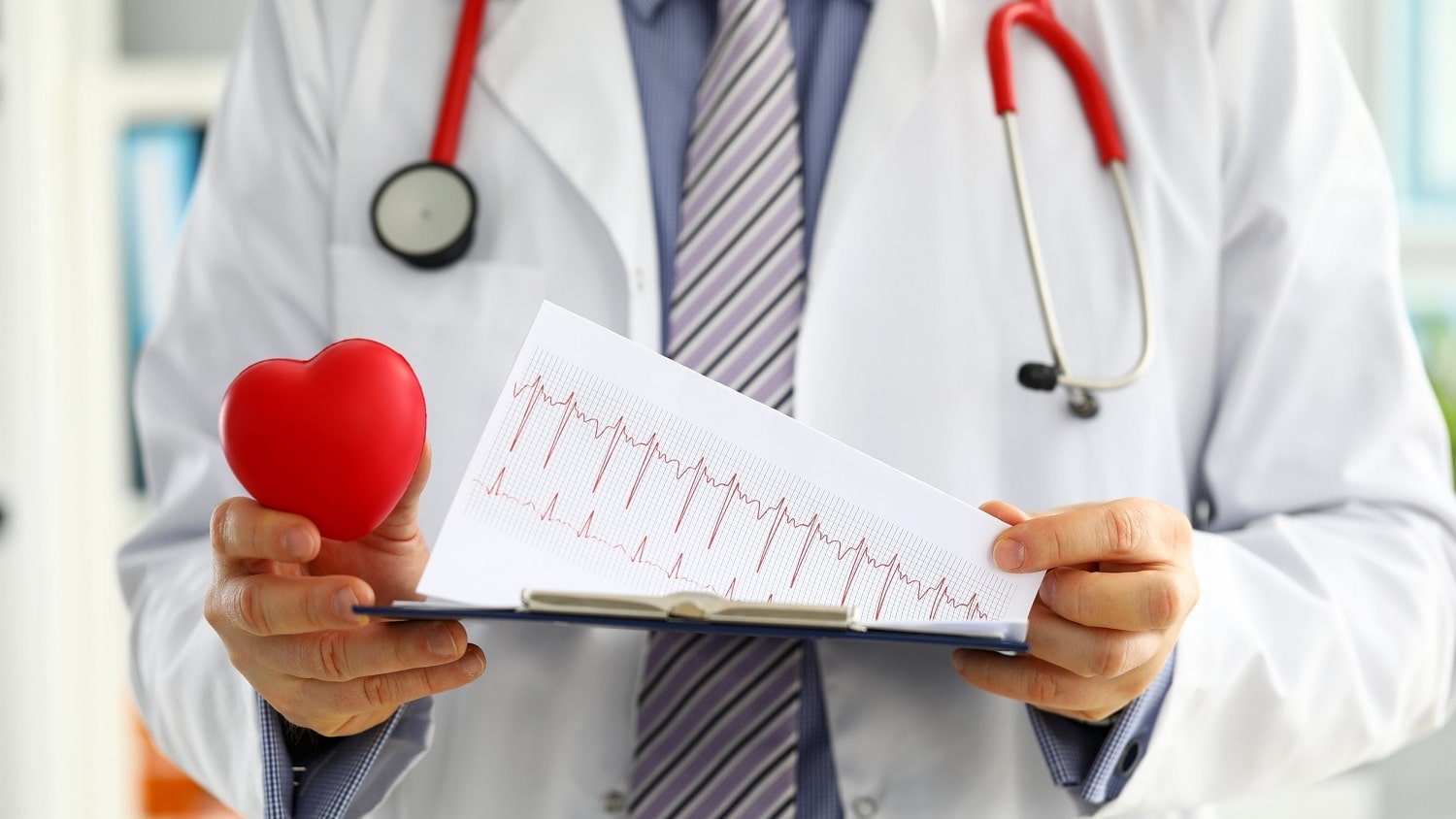
Cardiac arrhythmia – symptoms, causes and treatment
Your heart is the center of the universe that is your body. It largely determines whether your organs are properly oxygenated and nourished, and it largely determines whether your heart is healthy. A healthy adult heart beats 60 to 90 times per minute. It slows during sleep and rest, and speeds up during exercise or when stressed. A proper number of heartbeats per minute ensures that your organs are properly oxygenated and nourished.
Cardiac arrhythmia – symptoms
Does a slow, fast, or irregular heartbeat always indicate arrhythmia? NO: they can be a completely harmless response to various stimuli. In such cases, the ECG recording reveals the presence of a normal heart rhythm—sinus rhythm—but it is slowed, accelerated, or has sinus arrhythmia—particularly common in young people.
The problem occurs when the heart rate becomes excessively slow, accelerated, or irregular , and may indicate an arrhythmia.
The most common forms of arrhythmia include extrasystoles , atrial fibrillation atrioventricular conduction disturbances
Patients experiencing arrhythmia report various symptoms, such as palpitations, irregular heartbeat, and a feeling of the heart stopping. They may also experience attacks of shortness of breath, weakness, and fever. Serious cardiac arrhythmias can lead to fainting, loss of consciousness, and even death.
Causes of cardiac arrhythmia
Do you have hypertension? You may also have a cardiac arrhythmia. But hypertension isn't the only cause of abnormal heart rhythms. These can include heart defects (both congenital and acquired), coronary artery disease, or non-cardiac conditions such as thyroid disease, electrolyte imbalances, diabetes, or kidney disease.

How to treat cardiac arrhythmia
atrial fibrillation and flutter carry an increased risk of thromboembolism.
In people with this type of arrhythmia, the heart's atria do not contract effectively but vibrate, disrupting normal, even blood flow. These disruptions in blood flow facilitate the formation of clots in the left atrium, particularly in a structure called the left atrial appendage. Without appropriate anticoagulant treatment, the clots travel along the bloodstream to the periphery, which can result in embolism of the relevant arterial vessel – if it's an artery supplying the brain, an ischemic stroke can occur, and limb, kidney, or intestinal ischemia can occur. People over 65 years of age, those with hypertension, diabetes, peripheral arterial disease, or those who have previously had an episode of central nervous system ischemia are particularly susceptible to this complication.
Therefore, if the doctor detects a heart rhythm irregularity during a physical examination, he or she should perform an ECG and, if arrhythmia is diagnosed, implement appropriate treatment.
Another dangerous arrhythmia is episodes of ventricular tachycardia . These types of cardiac abnormalities typically occur in individuals with advanced organic heart disease, such as severe heart failure or after a myocardial infarction. In these patients, appropriate diagnosis, pharmacological treatment, and non-pharmacological therapy, such as implantable cardioverter-defibrillator (ICD), are particularly important. This device is designed to terminate life-threatening arrhythmias.
An excessively slow heart rate, known as bradycardia can also be dangerous . It can have various causes – it often occurs in people who actively participate in sports, where the heart can beat around 45-50 beats per minute during the day and even slow down to 30 beats per minute at night. If this doesn't cause any alarming symptoms – dizziness, fainting, or loss of consciousness – it's a completely normal response. However, bradycardia can result from improper transmission of electrical impulses in the heart, due to factors such as conduction system disorders, congenital heart defects, or coronary artery disease.
Without electrical impulses from the sinoatrial node, the heart stops beating, which is a life-threatening condition. For this reason, in some patients, implantation of a pacemaker—also known as a "pacemaker"—is recommended to ensure adequate heart function.
Pacemakers allow patients to lead normal lives. They prevent dizziness, fainting, and loss of consciousness—provided these symptoms are caused by cardiac conduction disorders.
How to recognize cardiac arrhythmia
Typically, the basic test is a resting ECG. If the patient's symptoms occur infrequently, several times a day or several times a week, the resting ECG may not capture, for example, extrasystoles. In such cases, we recommend continuous Holter ECG – most often 24 hours, but also 48 or 72 hours. It is also important to rule out organic heart disease, so an echocardiogram or stress test is recommended.
Medical consultation
with doctor Piotr Flis – cardiologist