
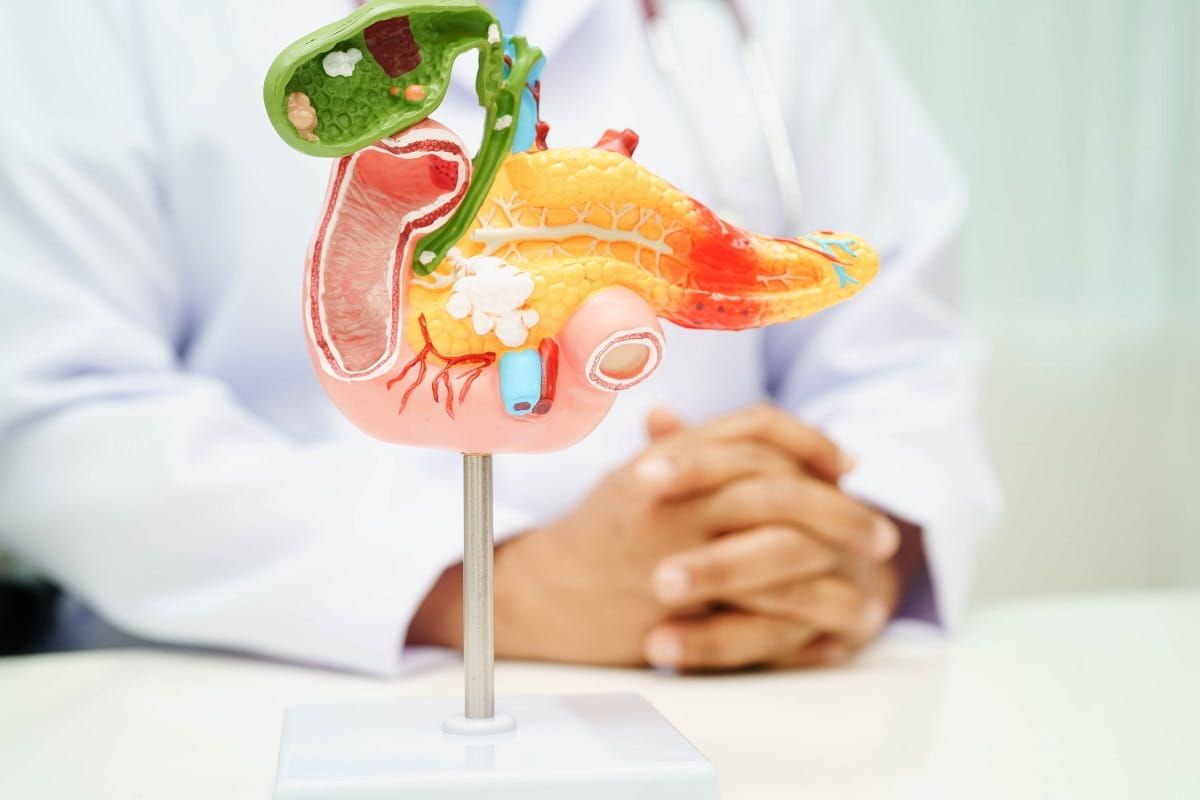
Abdominal pain – is the pancreas to blame?
The pancreas is one of those organs that isn't talked about much until it starts to make itself felt. The cause of abdominal pain caused by pancreatic diseases can be difficult to diagnose, and diseases of this gland—especially cancer—often develop silently. Why does the pancreas become diseased, how can you recognize the alarming symptoms, and when should you seek immediate medical attention? Dr. Andrzej Prystupa, MD, a professor at the Medical University of Lublin and a gastroenterologist, will answer these questions.
Professor, first of all – what exactly is the pancreas and what functions does it perform in the body?
The pancreas is an elongated organ located behind the stomach that serves two key functions: exocrine and endocrine. The first is responsible for the production of digestive enzymes, which travel through the pancreatic duct to the duodenum and aid in the digestion of proteins, fats, and carbohydrates. The second, endocrine, function involves the production of hormones, primarily insulin and glucagon, which regulate blood glucose levels.
Pancreatic pain is often confused with other ailments, such as abdominal pain. What are its typical symptoms?
It's true. Pain originating from the pancreas has characteristic symptoms. It's most often a severe, burning pain in the upper abdomen, radiating to the back—particularly to the left shoulder blade. It can appear suddenly and last for hours or even days. The pain often worsens after eating, especially fatty foods, or after drinking alcohol. If the pain is accompanied by nausea, vomiting, fever, flatulence, fatty diarrhea, weight loss, and jaundice, it may indicate pressure on the bile ducts.
The above symptoms are often associated with stomach problems, especially epigastric pain, nausea, a feeling of heaviness after a meal, or indigestion, but they can actually indicate pancreatic disease. It's important to pay attention to the nature of the symptoms, their recurrence, and their relationship to eating—especially if the symptoms persist or worsen.
What are the most common pancreatic diseases?
The most common types of pancreatitis include acute and chronic pancreatitis and cancer. Acute pancreatitis is usually the result of gallstones or alcohol abuse and requires urgent medical intervention. Chronic pancreatitis develops gradually, often as a result of years of alcohol consumption, and leads to permanent damage to the organ. Unfortunately, cancers are often diagnosed late because they remain asymptomatic for a long time.
If someone doesn't experience this characteristic abdominal pain originating from the pancreas, should they still see a doctor? When should they get checked out as a preventative measure?
This is a question that more and more informed patients are asking themselves—and rightly so. Although the pancreas usually "sits silently," there are situations in which it's worth consulting a doctor even without obvious symptoms. For example, if there's a family history of pancreatic disease (especially pancreatic cancer) or if the patient has risk factors: type 2 diabetes, abdominal obesity, smoking, alcohol abuse, or chronic liver disease.
What tests are performed when pancreatic disease is suspected?
Laboratory and imaging tests are the basis. Blood tests measure pancreatic enzymes – primarily amylase and lipase. In acute inflammation, their levels are significantly elevated. Liver function tests and glucose levels are also helpful. Imaging tests most commonly performed include abdominal ultrasound, computed tomography, or magnetic resonance imaging. In some cases, endosonography (an endoscopic examination using ultrasound) is necessary.
Is there anything patients can do to protect their pancreas?
Of course. Avoiding alcohol and cigarettes is crucial, as is eating a healthy, easily digestible diet with limited saturated fats to protect your gut health. It's also important not to ignore the symptoms of upper abdominal pain and to seek medical attention immediately if the pain is severe and lasts a long time.
Can stress affect pancreatic function?
This is a very interesting and increasingly frequently discussed question. Although the pancreas isn't directly controlled by emotions, chronic stress affects the entire hormonal and immune systems. It can disrupt glucose metabolism and increase inflammation in the body. In people with existing pancreatic disease, stress can worsen symptoms—intensifying pain, digestive and intestinal problems, and triggering flare-ups. Furthermore, stress often coexists with an unhealthy lifestyle (alcohol, smoking), which directly damages the pancreas. Therefore, the role of psychological support and stress reduction in the treatment of pancreatic diseases is increasingly emphasized.
Which doctor is best to see if abdominal pain is a frequent symptom and may indicate a problem with the pancreas?
It's best to see your family doctor. They will guide the diagnosis and, if necessary, refer you to a gastroenterologist, endocrinologist, or gastroenterologist. It's crucial not to delay your appointment. Early detection of a pancreatic problem significantly increases the chances of successful treatment.
Thank you for the interview.